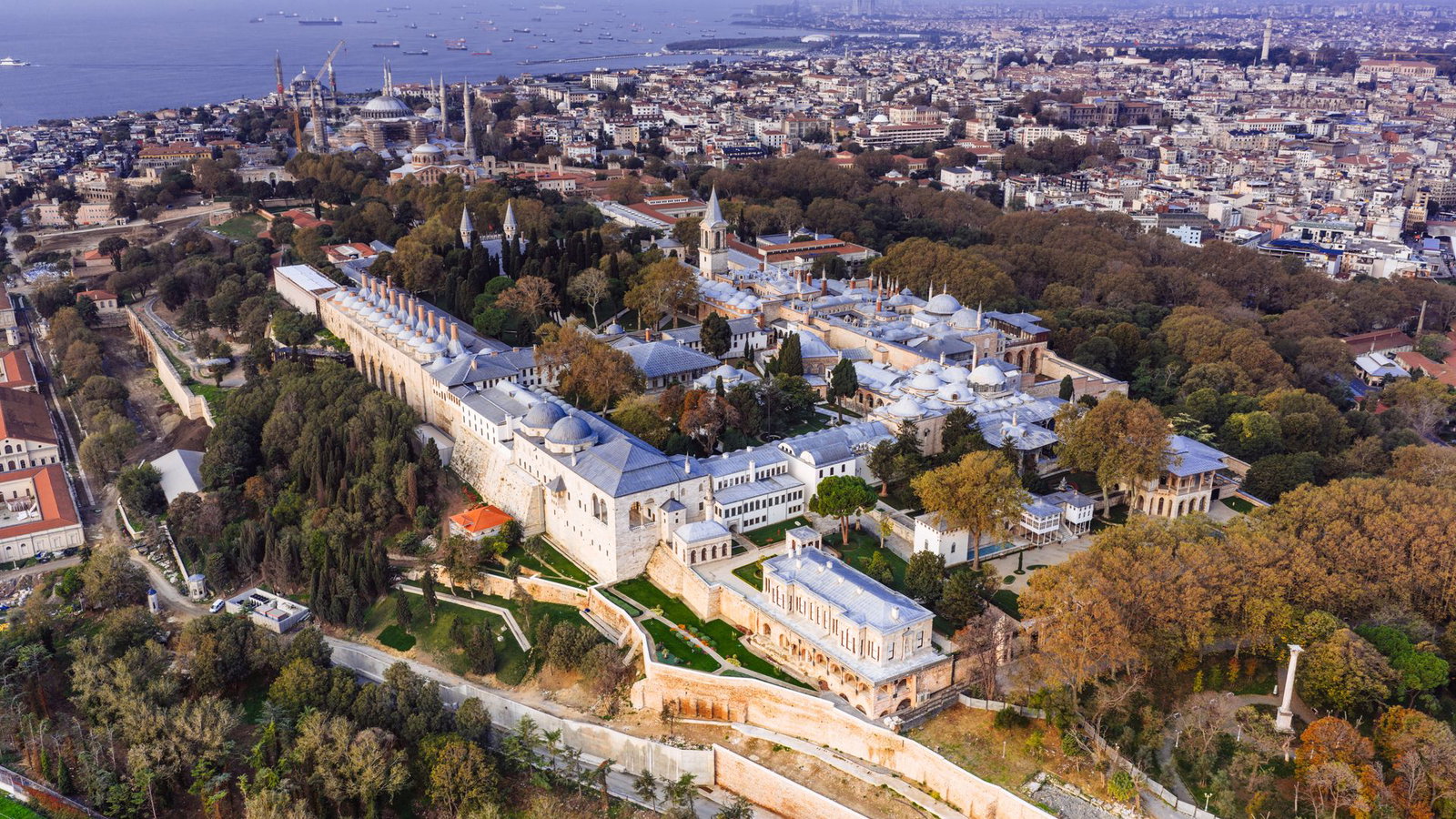
The best time to visit Istanbul is April to May or September to October, when the weather is warm, the skies are clear, and the summer crowds have not yet peaked (or have thinned). Temperatures in spring and autumn hover between 15–22°C — perfect for walking between historic sites and exploring neighbourhoods on foot.
Spring (April–May): Cherry blossoms and tulips bloom across the city's parks (Istanbul's tulip festival runs through April). Long daylight hours and comfortable temperatures make this the most pleasant month for sightseeing. Expect moderate crowds.
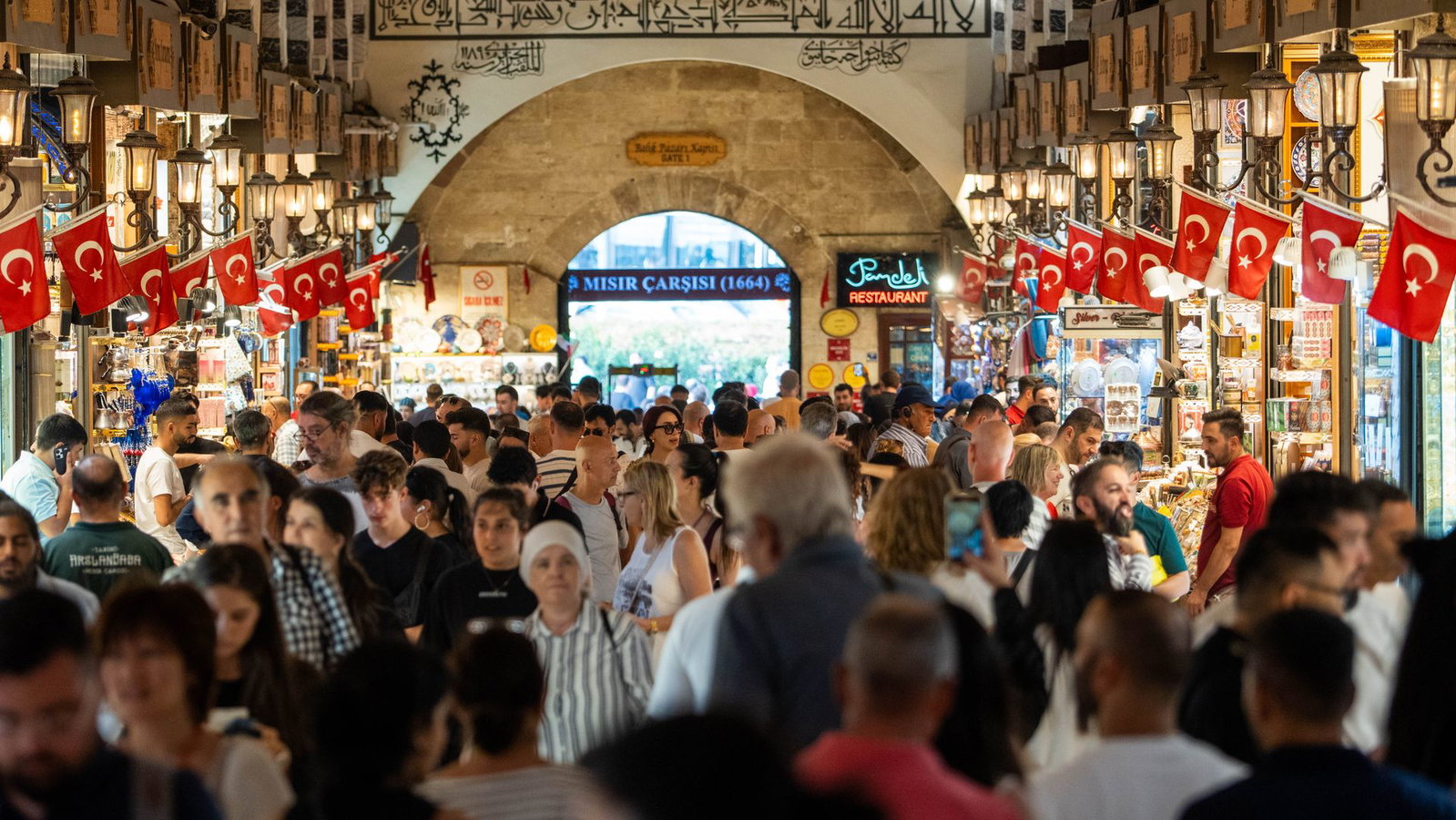
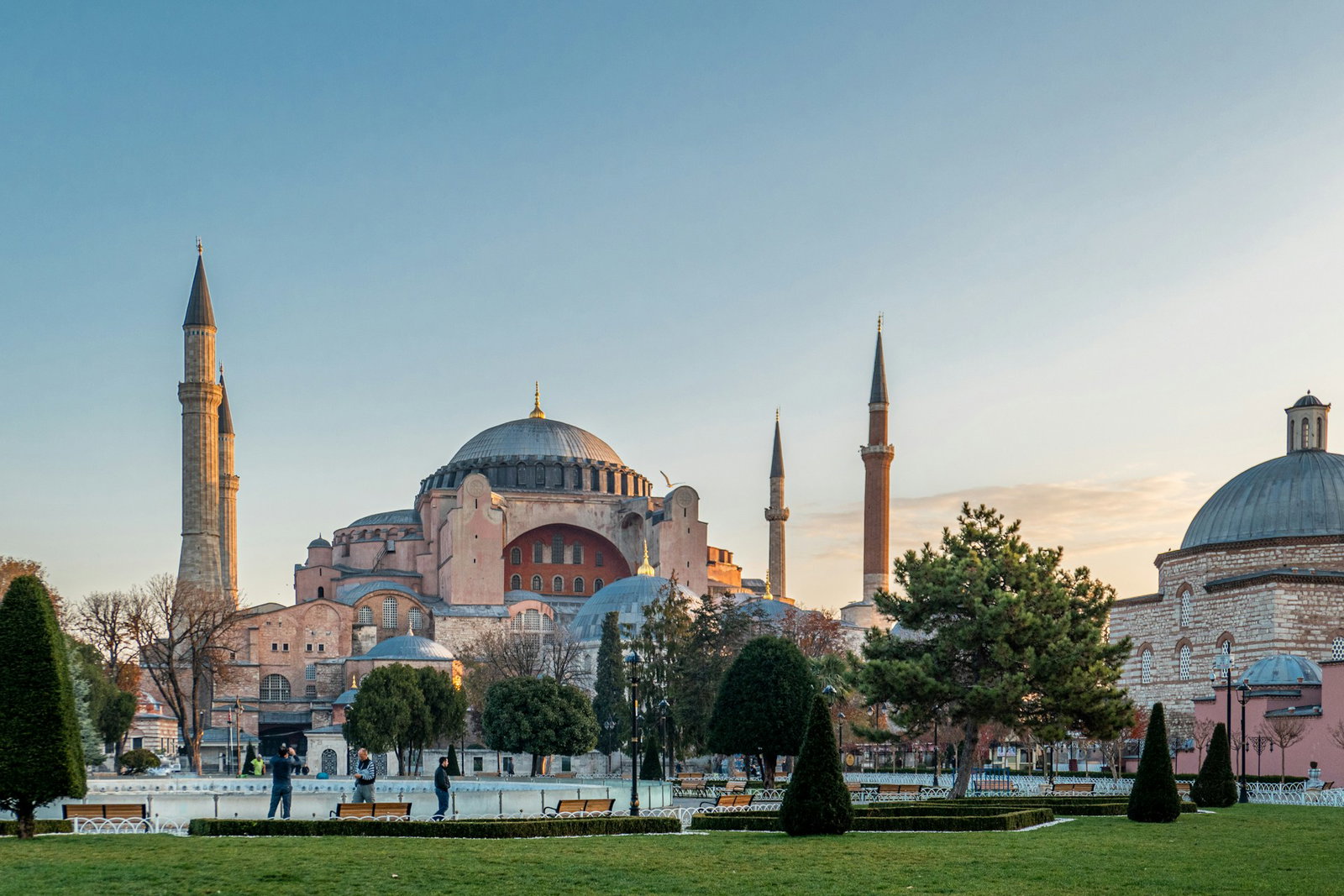
Summer (June–August): Hot and humid, with temperatures reaching 30–34°C. Extremely busy with domestic and international tourists — expect queues at Hagia Sophia and the Grand Bazaar. Book accommodation well in advance. Bosphorus cruises and rooftop bars are at their best.
Autumn (September–October): Arguably the single best window to visit. The summer heat has eased, tourist numbers drop after mid-September, and the light over the Bosphorus is spectacular. October evenings can be cool, so pack a layer.
Winter (November–March): Cold, rainy, and occasionally snowy. Crowds are very thin, prices drop significantly, and major attractions are far more peaceful. January and February are the coldest months (around 5–8°C). A dusting of snow on the minarets and domes is genuinely beautiful if you can handle the chill.

 History & Heritage