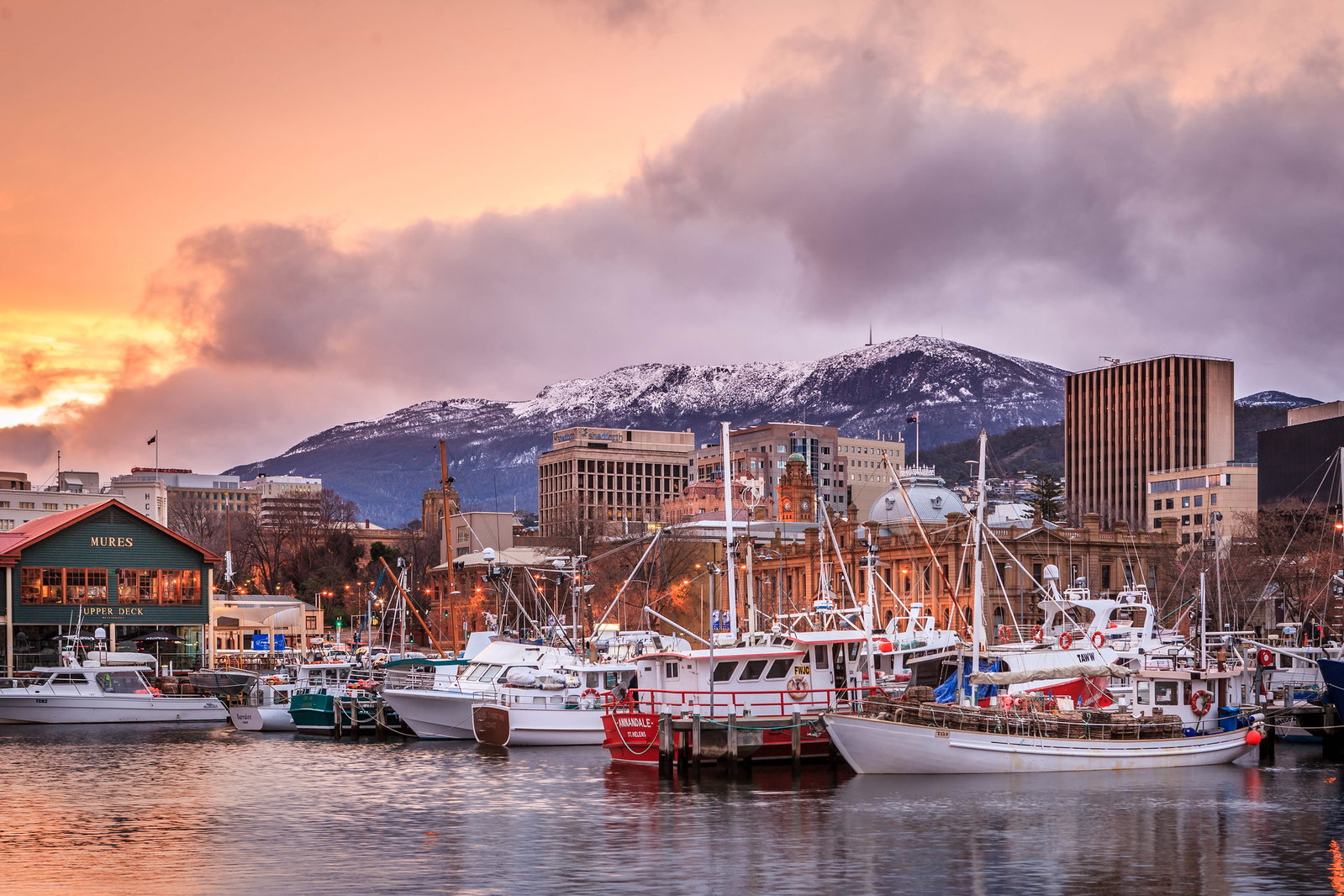
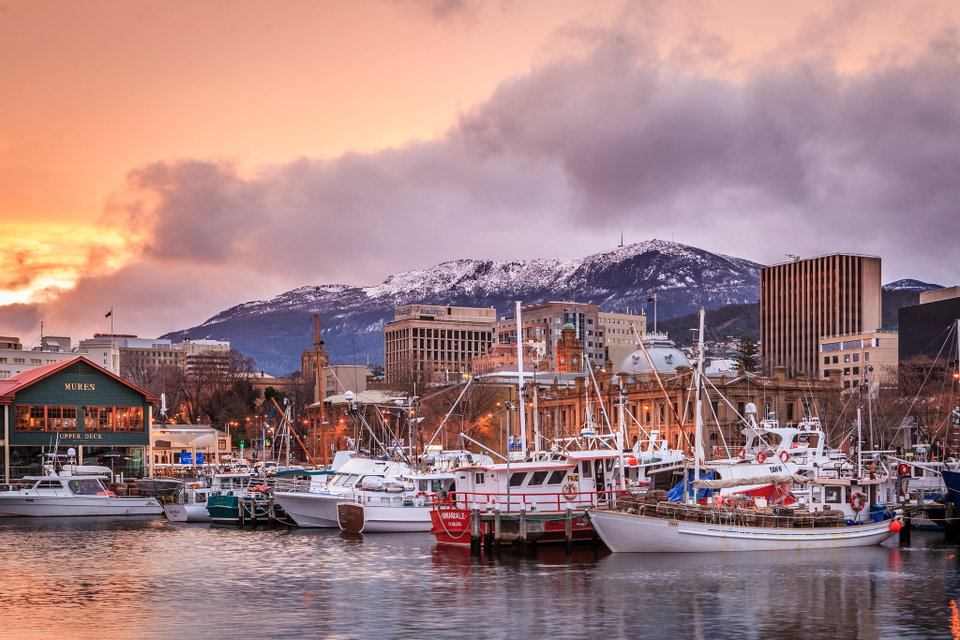
Hobart waterfront at dusk with colourful fishing boats moored at Salamanca Place and Mount Wellington rising behind the city

Destination guide

Hobart

Tasmania · Australia

Tasmania's harbour capital — where wild wilderness meets world-class food and art

Best season

December to February (Austral summer) for warmest weather, outdoor festivals, and the Sydney–Hobart Yacht Race finish; March–May for quieter crowds and golden autumn colour

From Nairobi

Approximately 18–22 hours via connecting hub (typically Dubai, Singapore, or Melbourne)

Why visit Hobart?

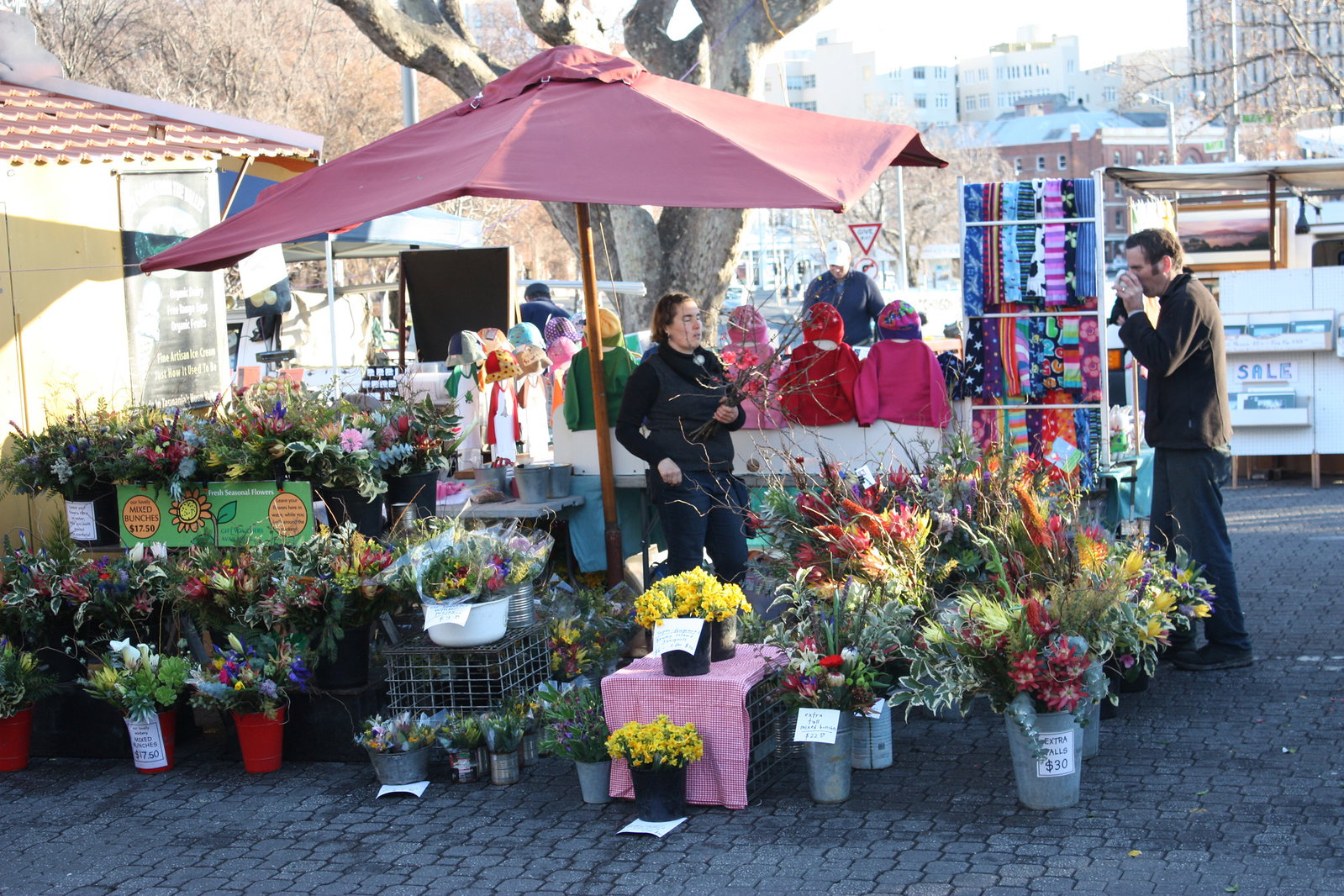
Few cities pack so much into so small a footprint. MONA — the Museum of Old and New Art — is a subterranean provocation carved into a sandstone peninsula, routinely listed among the world's great contemporary art museums, and reason enough to fly here on its own. Beyond it, the Saturday Salamanca Market has been running for over 50 years, drawing producers, makers, and buskers to one of Australia's finest Georgian streetscapes.

The food scene punches well above its weight: Hobart's position at the confluence of cold Southern Ocean waters and fertile farmland means oysters, abalone, Atlantic salmon, wallaby, and pinot noir grown an hour away all appear on menus that would hold their own in Sydney or Melbourne. Willie Smith's Apple Shed in the Huon Valley, the whisky distilleries of the Derwent and Coal River valleys, and a craft-beer culture rooted in clean water and local hops add depth to any eating-and-drinking itinerary.

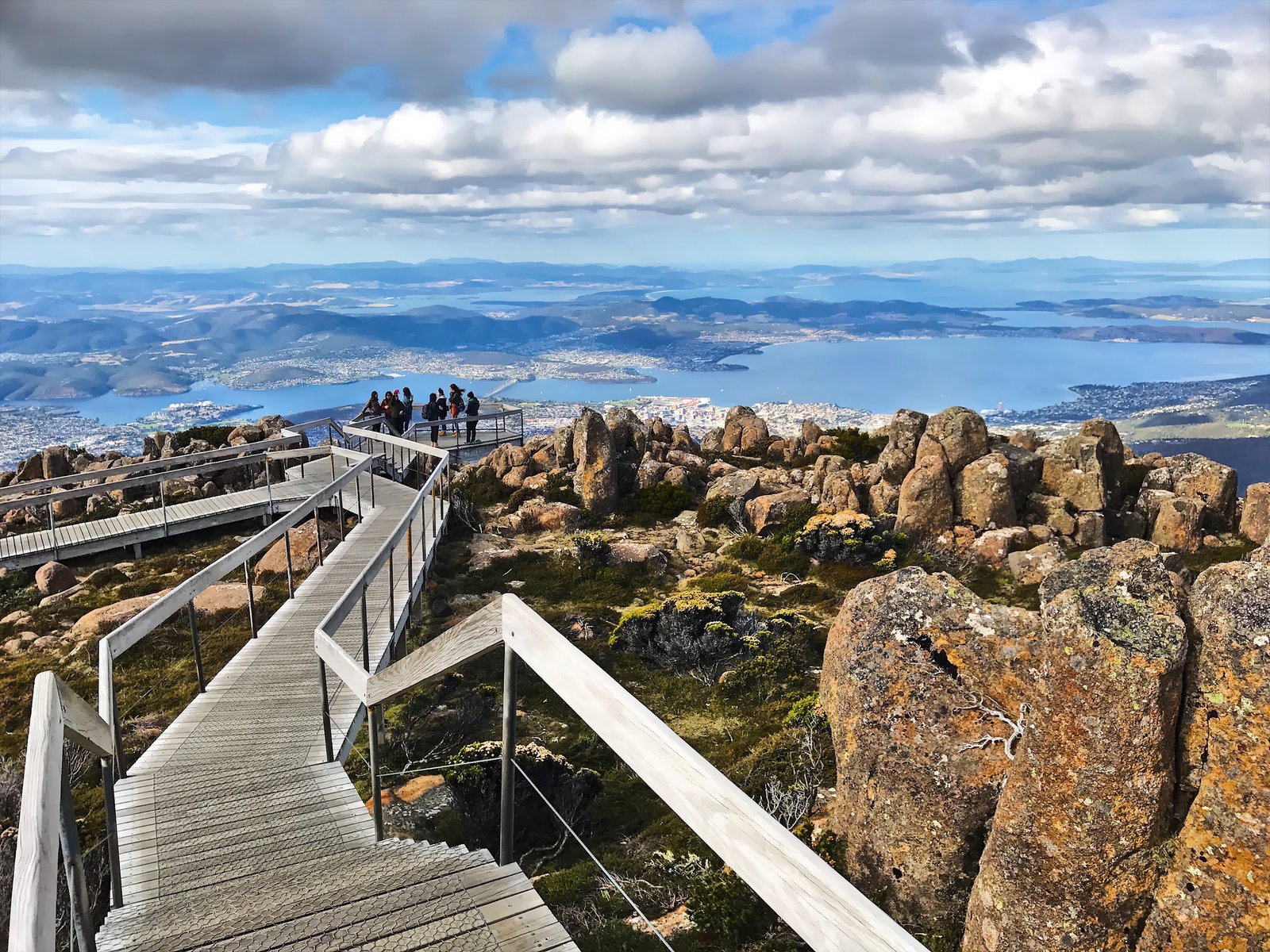
For the outdoors, kunanyi/Mount Wellington looms 1,271 m directly above the city — on a clear day the summit view takes in the entire Derwent estuary, Bruny Island, and the D'Entrecasteaux Channel. The Tasman Peninsula, Freycinet National Park, and the wilderness of Southwest National Park are all within a half-day's drive, making Hobart the most practical base for exploring an entire island of extraordinary landscapes.
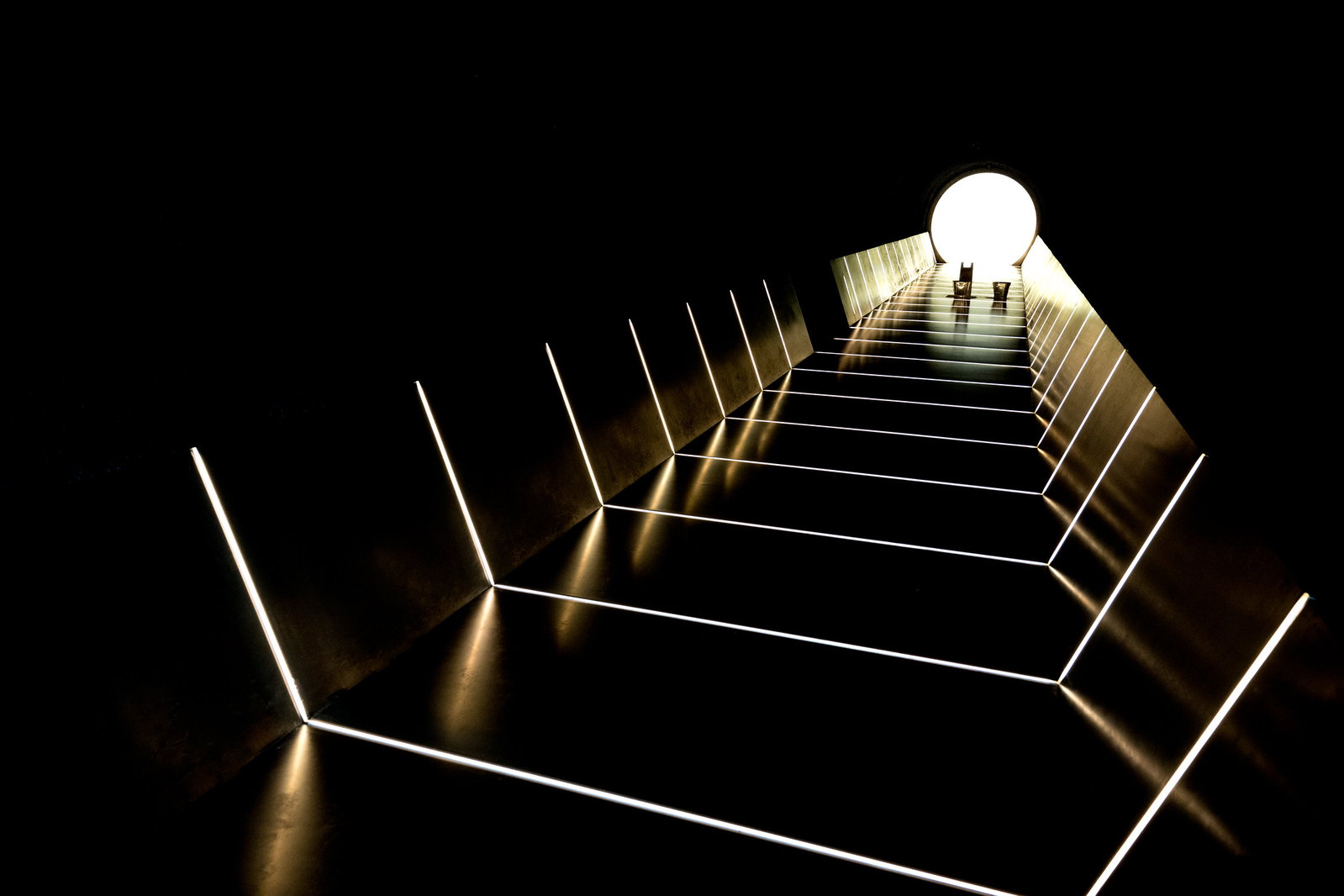
  • MONA: a world-class underground art museum that put Hobart on the global cultural map
  • Salamanca Market every Saturday — 300+ stalls of local food, craft, and live music in a UNESCO-listed Georgian precinct
  • kunanyi/Mount Wellington soars 1,271 m right above the city, with hiking trails from the CBD to the summit
  • Freshest cold-water seafood in Australia — shuck oysters at a harbour stall, then eat abalone for dinner
  • Gateway to the Tasman Peninsula, Freycinet, and the world's largest temperate wilderness
  • Home to Australia's oldest whisky distilleries and a thriving cool-climate wine scene

Best for

Food and wine lovers, contemporary art, wilderness hiking, history and heritage, slow-travel explorers

Trip style

Cultural city break, food & drink, outdoor adventure, heritage

Known for

MONA, Salamanca Market, kunanyi/Mount Wellington, Sydney–Hobart Yacht Race, cool-climate whisky and seafood

Quick facts

Best time to visit

December to February (Austral summer) for warmest weather, outdoor festivals, and the Sydney–Hobart Yacht Race finish; March–May for quieter crowds and golden autumn colour

Currency

Australian Dollar (AUD)

Languages

English

Visa summary

Most visitors need an Electronic Travel Authority (ETA) or eVisitor visa, applied for online before departure; citizens of many countries are eligible

Flight time from Nairobi

Approximately 18–22 hours via connecting hub (typically Dubai, Singapore, or Melbourne)

Airport / arrival

Hobart Airport (HBA) is 17 km east of the city centre; taxis, ride-share, and the SkyBus shuttle connect to the CBD in about 20 minutes

Safety note

Hobart is one of Australia's safest cities; standard city-level awareness applies at night around the waterfront entertainment strip

Visa and entry

Look up entry rules by passport for travel to Australia on the Tsavaro visa checker.

Check visa requirements for Australia

Things to do

Explore MONA (Museum of Old and New Art)Art & Culture

Explore MONA (Museum of Old and New Art)

Half day to full day

Descend into David Walsh's extraordinary underground museum on the Mona Roma ferry from the waterfront. The provocative, boundary-pushing collection spans ancient artefacts to contemporary installations. Allow at least half a day; the on-site bars, restaurants, and accommodation make it easy to linger.

Browse Salamanca MarketMarkets & Food

Browse Salamanca Market

2–3 hours

Every Saturday morning, Salamanca Place transforms into one of Australia's best outdoor markets. Buy Tasmanian lavender, hand-thrown ceramics, smoked salmon, artisan cheeses, and freshly shucked oysters direct from producers. Arrive by 9 am before the crowds build.

Hike or drive kunanyi/Mount WellingtonHiking & Nature

Hike or drive kunanyi/Mount Wellington

2 hours (drive) to full day (hike)

The 1,271 m summit is accessible by a sealed road (drive year-round, weather permitting) or on foot via trails starting from Fern Tree village. The Pinnacle offers panoramic views over Hobart, the Derwent, and on clear days all the way to Bruny Island. Dress in layers — summit temperatures can be 10–15 °C colder than the city.

Day trip to the Tasman PeninsulaHeritage & Hiking

Day trip to the Tasman Peninsula

Full day or multi-day

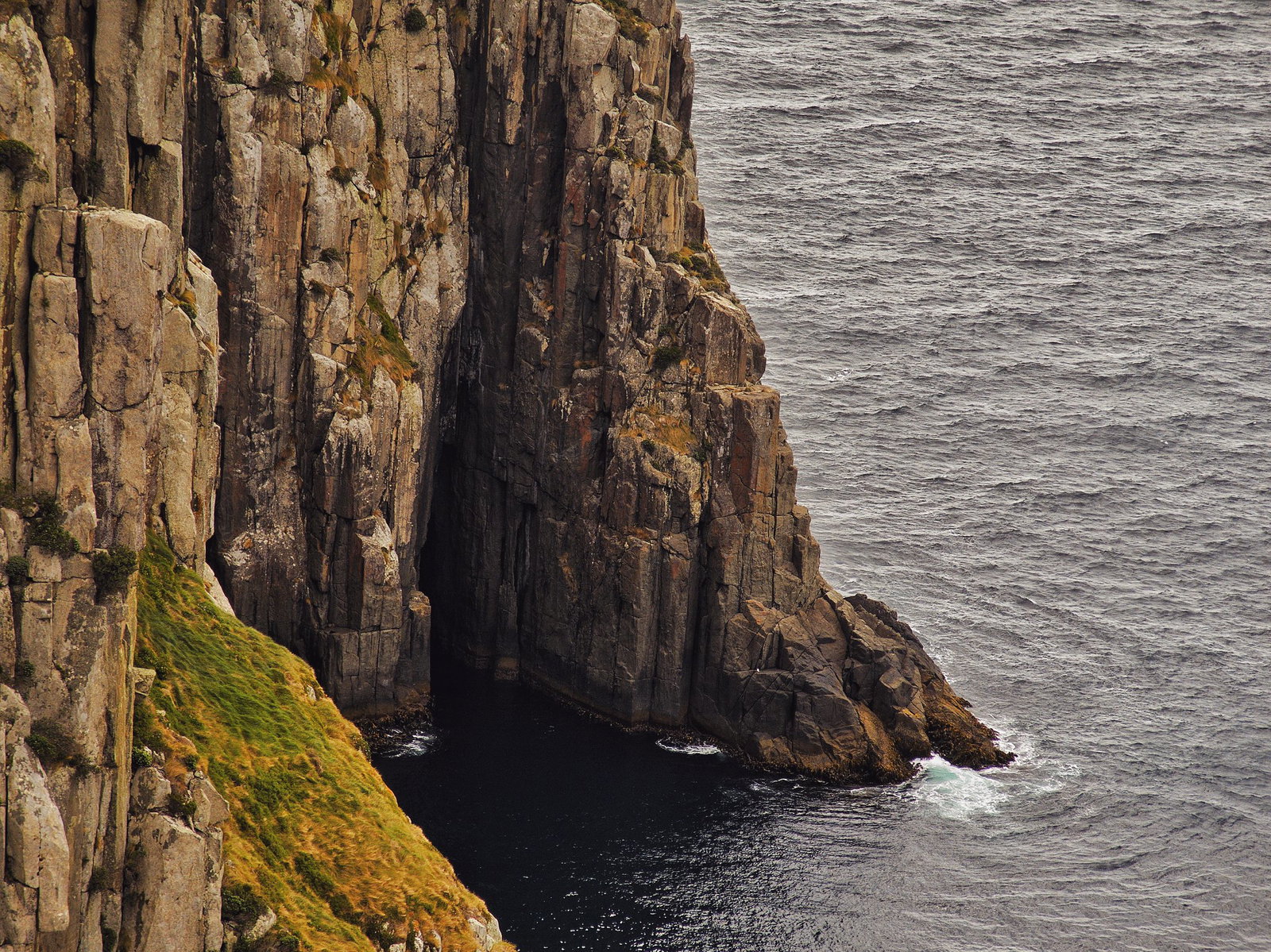
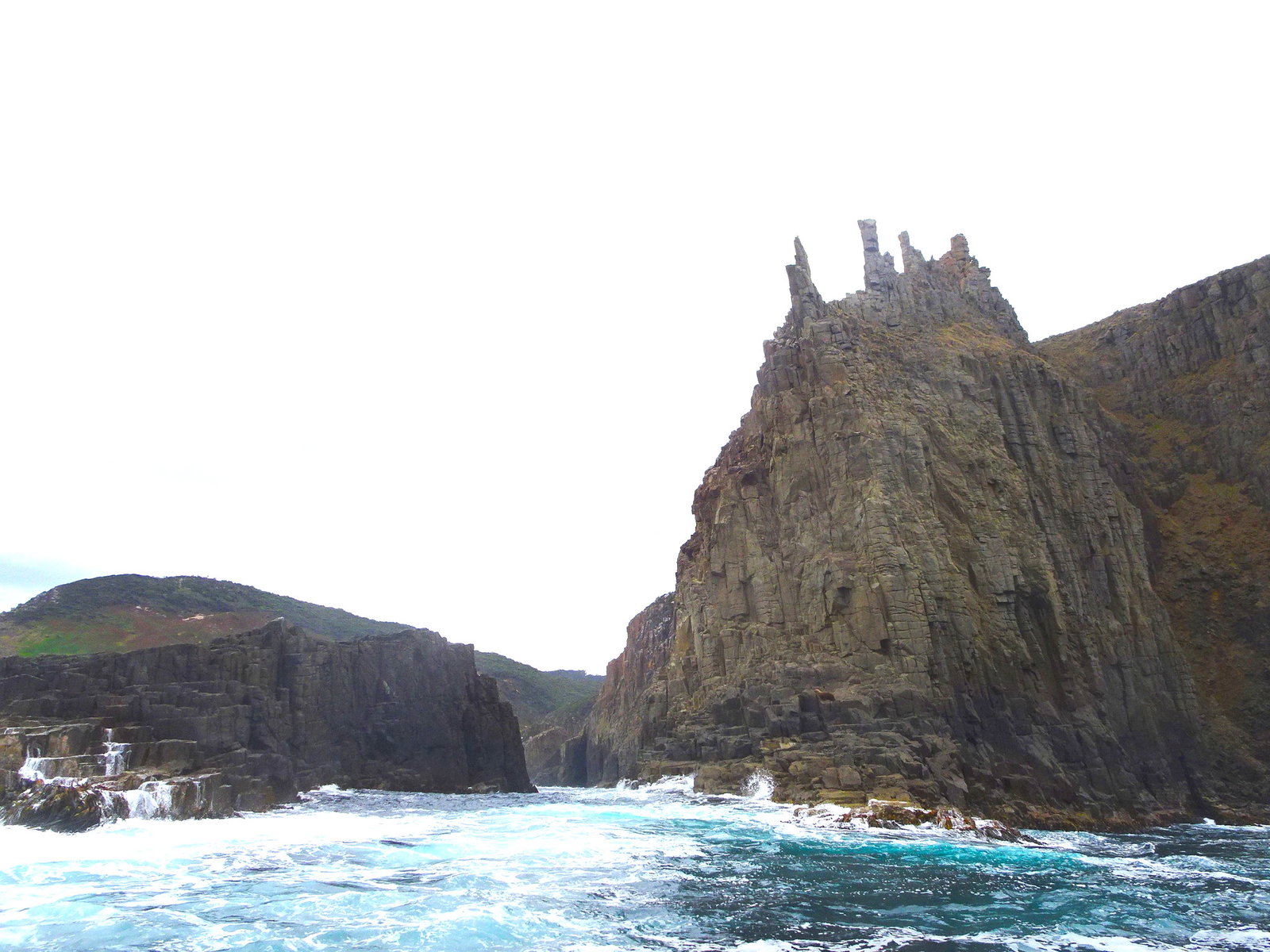
An 80 km drive from Hobart leads to the Port Arthur Historic Site, Australia's most significant convict-era World Heritage ruins, and the dramatic sea cliffs of Cape Hauy and Cape Pillar accessible via the Three Capes Track. Combine history with some of Australia's most spectacular coastal hiking.

Cruise to Bruny IslandNature & Food

Cruise to Bruny Island

Full day

A 30-minute drive south and a short car ferry from Kettering lands you on Bruny Island, home to neck-stretching lighthouse views, little penguins, and the legendary Bruny Island Cheese Co. and Get Shucked oyster farm. Book a Pennicott Wilderness Journey eco-cruise to see sea caves and fur seal colonies from the water.

Watch the Sydney–Hobart Yacht Race finishEvents & Festivals

Watch the Sydney–Hobart Yacht Race finish

1–5 days (late December)

Every 27 December, the world's great ocean race fleets begin arriving in Constitution Dock. The city erupts with celebration, waterfront events, and free public access to the yachts. Combine with the Taste of Tasmania festival running across New Year's Eve for Hobart's liveliest week of the year.

Best time to visit Hobart

The best time to visit Hobart is December to February, when long summer days, temperatures of 17–23 °C, and a packed festival calendar — including the Sydney–Hobart Yacht Race finish and the Taste of Tasmania — make the city feel at its most alive. Book accommodation well ahead for late December, as it sells out fast.

March to May brings cooler, quieter conditions and stunning autumn foliage across the Derwent Valley. Crowds thin, prices ease, and the weather is still generally pleasant for hiking and outdoor activities.

June to August is Hobart's winter: cold (lows of 3–5 °C), occasionally frosty, but rarely icy at sea level. MONA FOMA, the winter arts festival, and Dark MOFO — Hobart's globally recognised midwinter celebration of darkness and art held in June — draw significant visitor numbers despite the chill. Kunanyi/Mount Wellington often receives snow, and the atmosphere is atmospheric and dramatic.

September to November is spring: warming up progressively, with wildflowers on the mountain and the new-season produce hitting restaurant menus. It's an underrated time to visit with lighter crowds and better accommodation value.

Is Hobart safe to visit?

Yes — Hobart is one of the safest cities in Australia and ranks consistently among the lowest-crime capitals in the country. Violent crime affecting tourists is extremely rare, and the city has a relaxed, community-scale atmosphere where visitors tend to feel immediately comfortable.

Practical things to keep in mind: the waterfront entertainment area (particularly around the docks and Salamanca Place) can get busy and boisterous on Friday and Saturday nights, so standard awareness of your belongings applies. Car break-ins at trailhead car parks on kunanyi/Mount Wellington and the Tasman Peninsula do occur — leave nothing visible in vehicles.

On the mountain and in wilderness areas, weather can change rapidly and dramatically. Always carry layers, waterproofs, and a charged phone with an offline map when hiking. The Tasmania Police and Parks and Wildlife Service have emergency response capabilities across the island but response times to remote areas can be long — register your intentions and carry an emergency beacon (PLB) for overnight backcountry trips.

For medical care, the Royal Hobart Hospital on Liverpool Street is the state's major public hospital with 24-hour emergency services. Travel insurance covering medical evacuation is strongly recommended for all visitors.

Suggested itinerary

5 Days in Hobart & Beyond

This plan uses Hobart as a central base for a relaxed mid-pace trip covering the city's cultural highlights, one wilderness day trip, and a taste of the surrounding Tasmanian countryside. It suits a couple or solo traveller with a hire car from day two onward, a mid-range to premium budget, and an appetite for good food.

Day 1

Arrive & Discover the Waterfront

Arrive at Hobart Airport and transfer to your accommodation in the CBD or Battery Point. Spend the afternoon walking the historic waterfront precinct — Constitution Dock, Victoria Dock, and the Henry Jones Art Hotel's cultural courtyard are all within a few minutes of each other. Early evening, join a whisky tasting at Lark Distillery on the Brooke Street Pier, then dinner at one of the pier's contemporary restaurants with Derwent River views.

Hobart — Arrive & Discover the Waterfront

Travel essentials

Getting around

Hobart's compact CBD and waterfront are very walkable. Metro Tasmania buses serve the city and inner suburbs; services are infrequent on evenings and weekends. Taxis and ride-share (Uber) are reliable. A hire car is strongly recommended for day trips to the Tasman Peninsula, Bruny Island ferry, the Huon Valley, and kunanyi/Mount Wellington. Cycling is possible on the waterfront shared path. There is no train service.

Typical costs

Hobart sits in the mid-range for Australian cities. Budget travellers in hostels can manage on AUD 100–130/day; comfortable mid-range (3-star hotel, two meals out) runs AUD 200–280/day per person; premium stays and fine dining push AUD 400+/day. MONA entry is AUD 40 (residents free); Salamanca Market is free. The Mona Roma ferry costs AUD 15 return (deducted from on-site spend).

Culture and etiquette

Hobartians are relaxed and informal — dress codes are almost non-existent. Tipping is not obligatory in Australia but rounding up or leaving 10% is appreciated at restaurants. Respect for Aboriginal Tasmanians and their land is important: Hobart sits on the land of the Muwinina people of the Mouheneenner nation; many sites around the island hold deep cultural significance. Follow park rules, stay on trails, and never remove natural or cultural artefacts.

Safety and planning

Always check weather before heading to kunanyi/Mount Wellington — conditions can change within minutes. Carry a personal locator beacon (PLB) for any remote hiking; they can be hired cheaply from Paddy Pallin in the CBD. Carry sunscreen even on overcast days — UV levels in Tasmania are high despite the southern latitude. For ocean swimming, Hobart beaches (Seven Mile Beach, Kingston) are patrolled in summer; swim between the flags.

Connectivity

4G coverage is reliable throughout Hobart city, Battery Point, and the Tasman Peninsula corridor. Telstra has the strongest rural coverage in Tasmania. Free public Wi-Fi is available at Hobart Airport, the CBD, and many cafes. Remote wilderness areas (Southwest National Park, the Western Arthurs) have no mobile coverage at all.

Payments

Australia is largely cashless-friendly — contactless card payment is accepted almost everywhere including market stalls. ATMs are widely available. Some smaller farm stalls in the Huon Valley may be cash-only. Foreign transaction fees apply to most overseas cards; a Wise or Revolut card is recommended for better exchange rates.

Hobart travel FAQs

More destinations to explore