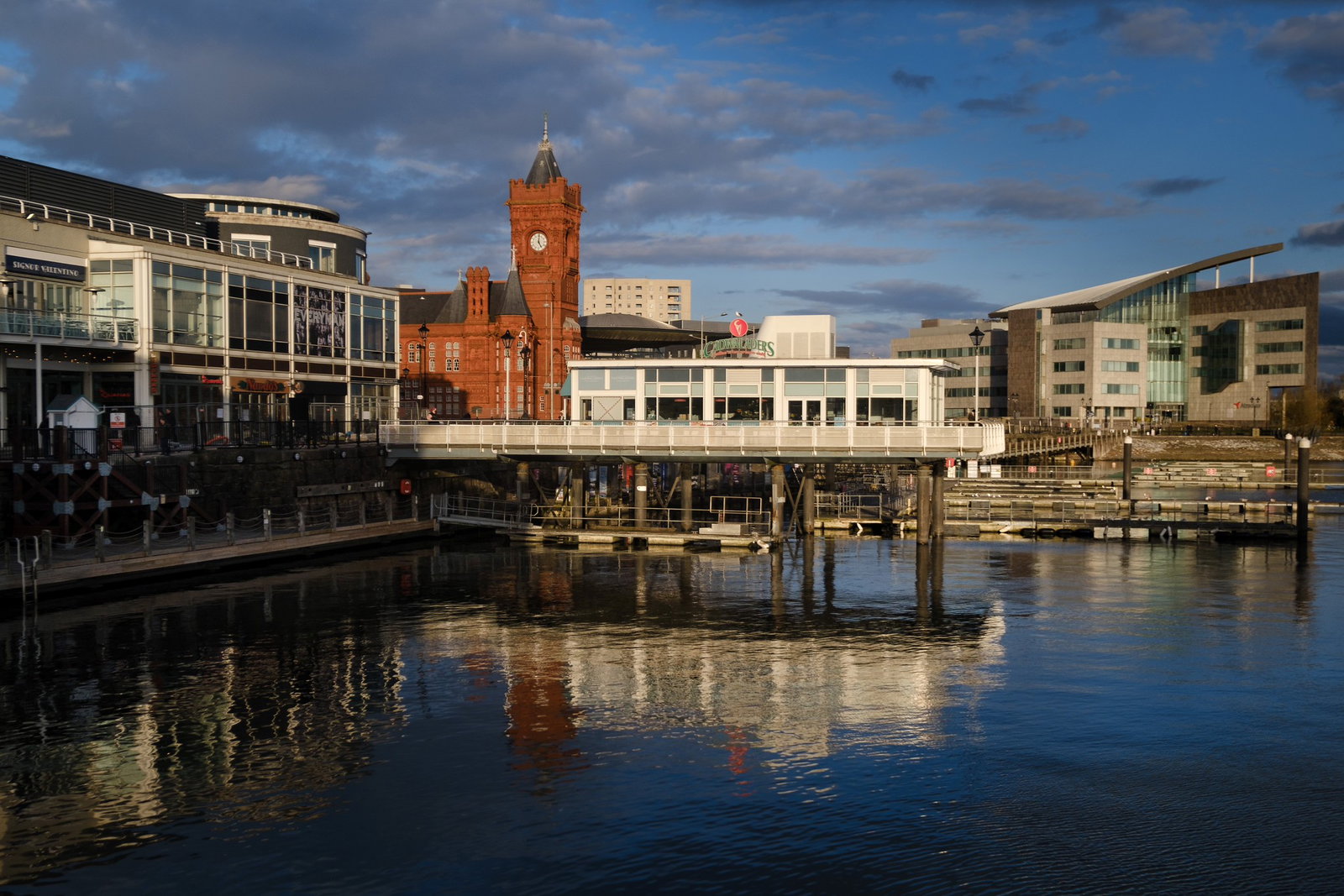
Cardiff Bay waterfront at dusk with the Senedd and Wales Millennium Centre reflected in the water

Destination guide

Cardiff

South Wales · Wales, United Kingdom

A compact Celtic capital where medieval castles meet a buzzing waterfront and some of Europe's best live music

Best season

May–September for the warmest weather and outdoor festivals; November–February for the lowest prices and fewest crowds.

From Nairobi

Approx. 9–10 hrs via London Heathrow or Amsterdam

Why visit Cardiff?

Cardiff is the fastest-growing capital in the UK and one of Europe's most affordable city-break destinations. Unlike many capitals, it rewards walking — the castle, the National Museum, the Victorian arcades, Cardiff Bay, and the Principality Stadium are all within a 30-minute stroll of each other.

The city has an outsized cultural footprint: it is home to BBC Wales and a thriving TV production scene (Doctor Who, Sherlock, and Casualty have all filmed here), a world-class opera house, and the UNESCO-recognised Wales Millennium Centre. On match days, Principality Stadium transforms into one of the loudest sporting arenas on earth — 74,500 fans in a closed roof is an experience you won't soon forget.

Beyond the centre, Cardiff Bay is a story of reinvention — once one of the world's busiest coal-shipping ports, it is now a waterfront neighbourhood of bars, restaurants, and landmark civic buildings. And when you need open air, the Brecon Beacons National Park is less than an hour's drive away.
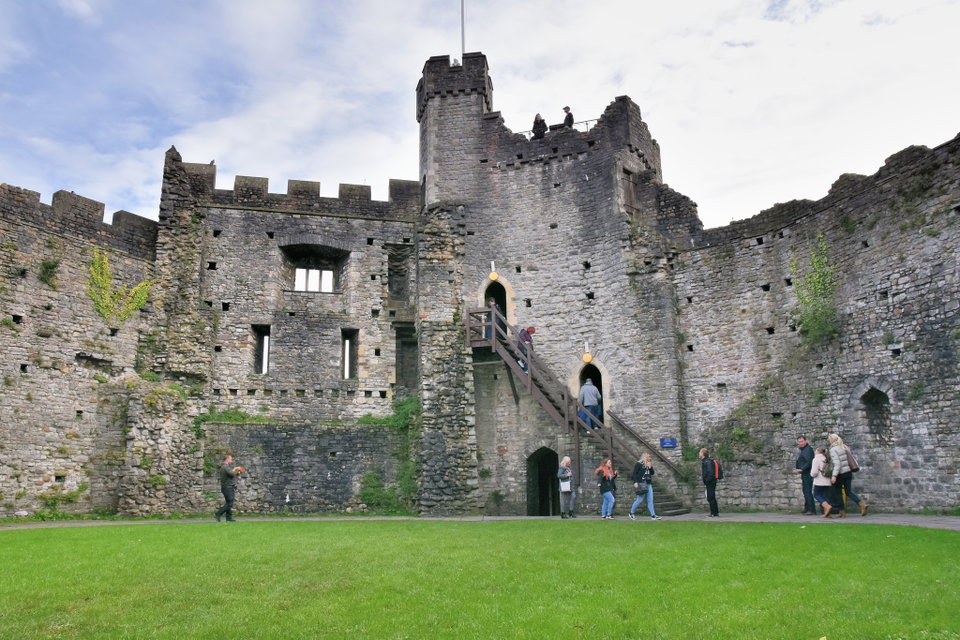
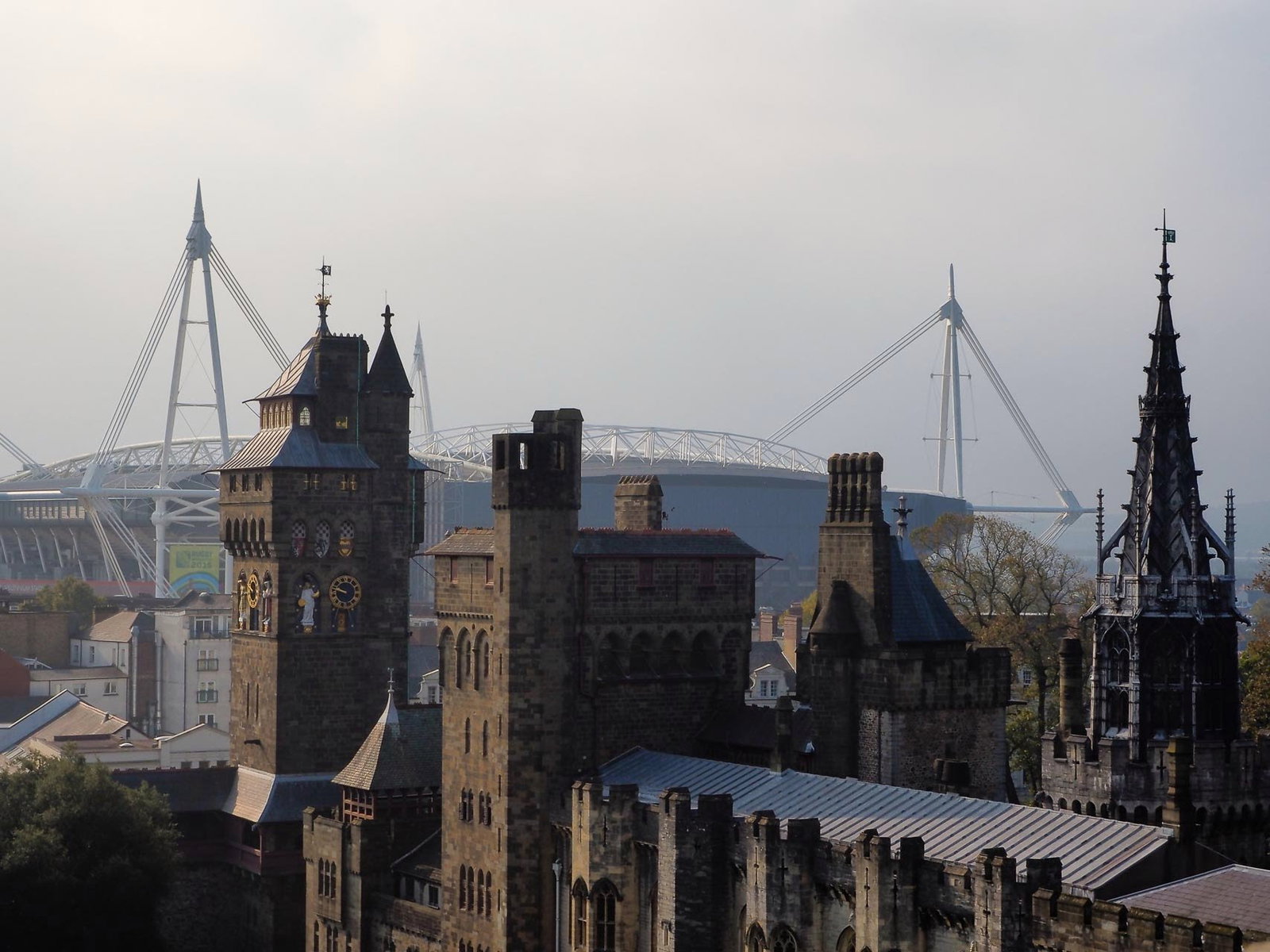
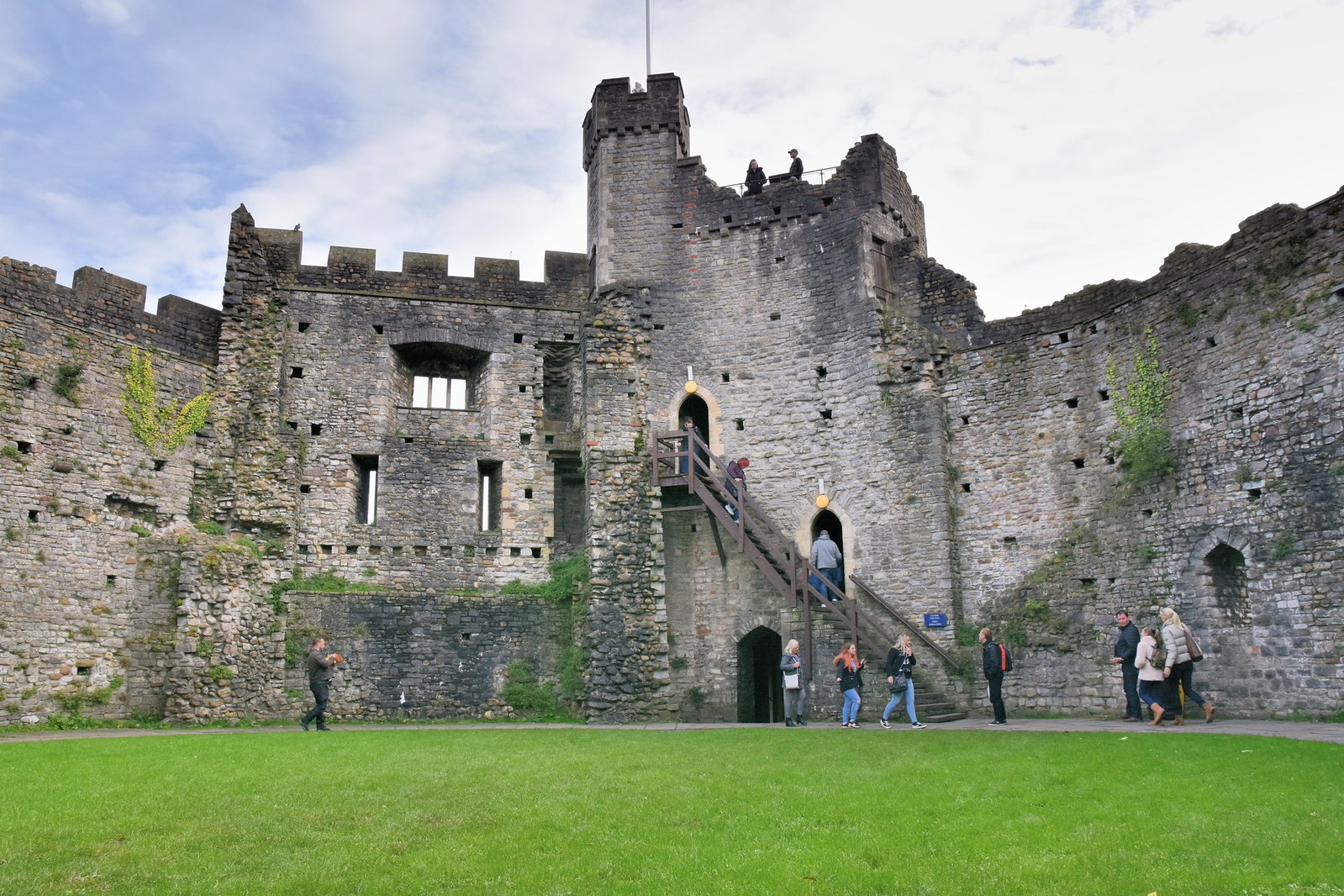
  • Cardiff Castle stands in the city centre — a Roman fort, Norman keep, and Victorian Gothic mansion layered into one landmark.
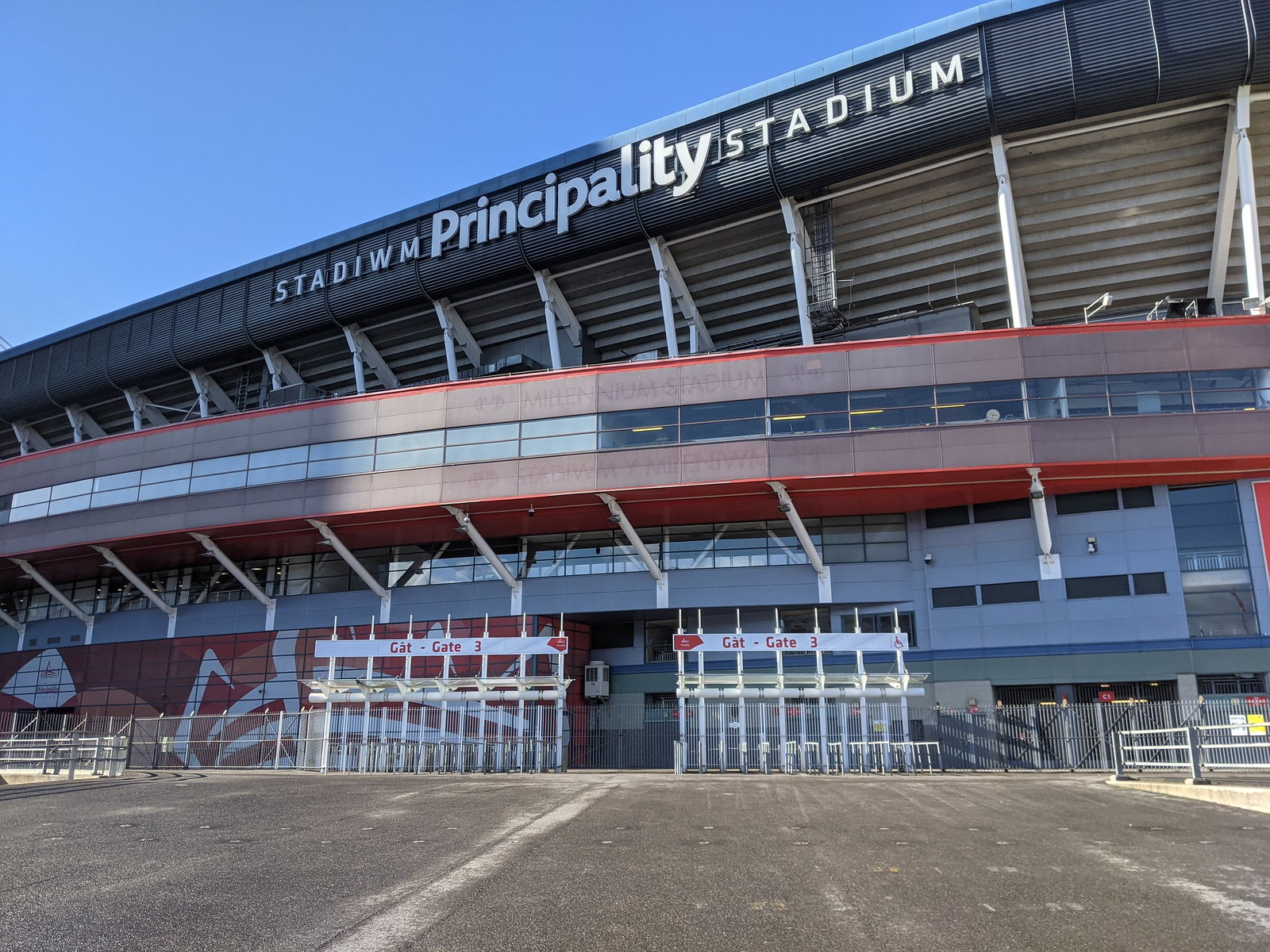
  • The Principality Stadium hosts the Six Nations and Champions Cup finals inside a retractable roof — atmosphere is unmatched.
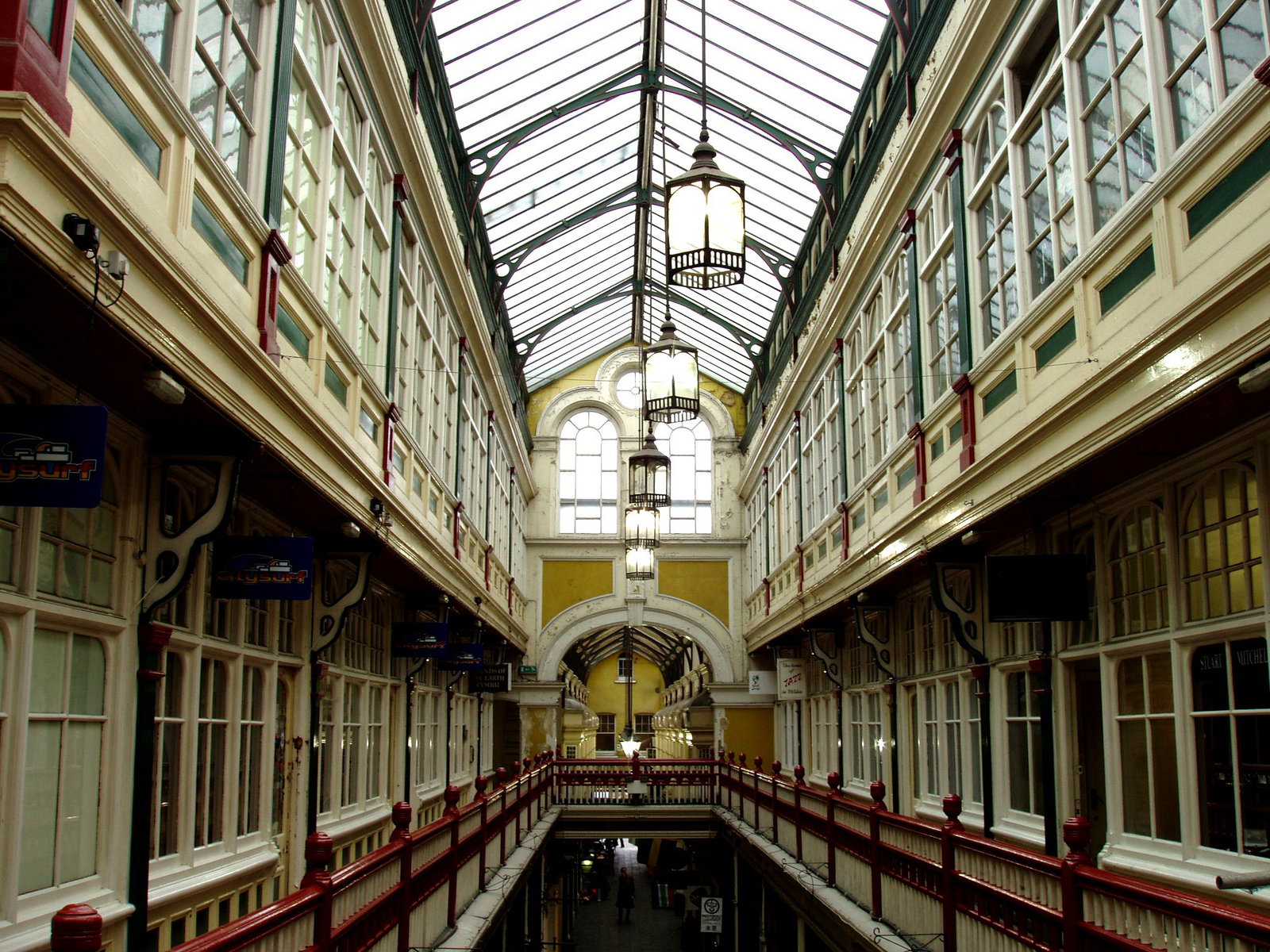
  • Cardiff's Victorian covered arcades are the finest collection in the UK — Morgan Arcade alone is a Grade I listed gem.
  • Cardiff Bay's waterfront packs world-class opera, a Norwegian church, and great seafood into a 15-minute walk.
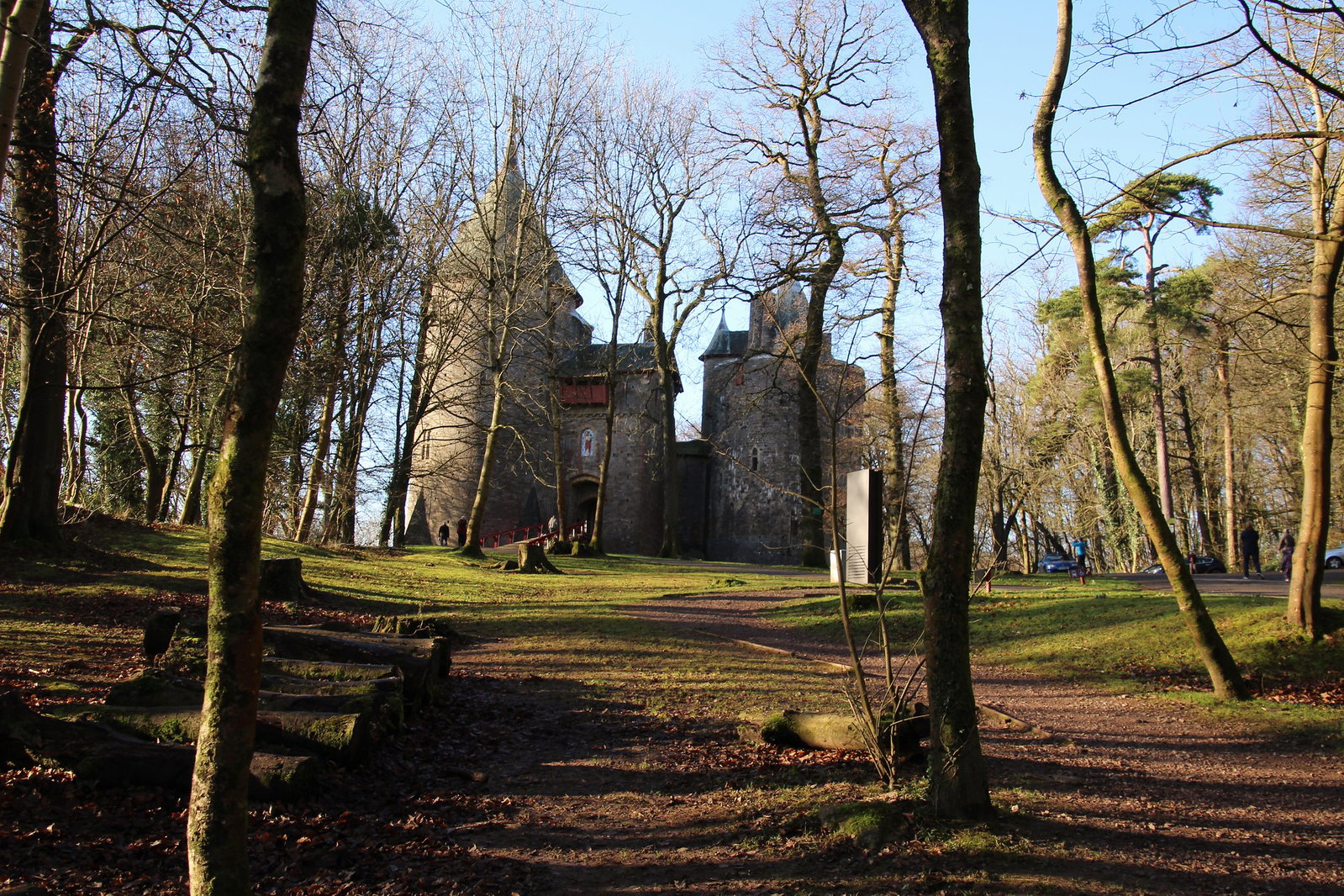
  • Castell Coch, a fairy-tale Victorian Gothic Revival castle, is just 5 miles north and rarely crowded.
  • Wales Millennium Centre, the national arts venue, offers free public spaces and a bold slate-and-steel façade like no other.

Best for

City breakers, rugby and sport fans, history and heritage lovers, families, foodies, music and arts enthusiasts

Trip style

Cultural city break, weekend getaway, sports pilgrimage, family holiday

Known for

Cardiff Castle, Principality Stadium, Cardiff Bay, the Victorian arcades, Welsh cuisine, live music scene

Quick facts

Best time to visit

May–September for the warmest weather and outdoor festivals; November–February for the lowest prices and fewest crowds.

Currency

British Pound (GBP, £)

Languages

English (official); Welsh is co-official and widely seen on signage

Visa summary

EU/EEA nationals need a valid passport or ID card; most other nationalities require a UK Standard Visitor Visa. eTA required for some nationalities from 2025.

Flight time from Nairobi

Approx. 9–10 hrs via London Heathrow or Amsterdam

Airport / arrival

Cardiff Airport (CWL) is 12 miles south-west of the city centre; 30-minute bus link (T9 Express). Bristol Airport (BRS) is 45 miles east and offers more international routes.

Safety note

Cardiff is one of the UK's safer capitals; standard city precautions apply around St Mary Street at night.

Visa and entry

Look up entry rules by passport for travel to Wales, United Kingdom on the Tsavaro visa checker.

Check visa requirements for Wales, United Kingdom

Things to do

Explore Cardiff CastleHeritage

Explore Cardiff Castle

2–3 hours

Walk Roman walls, climb the Norman keep for city views, and tour the lavishly decorated Victorian Gothic apartments commissioned by the 3rd Marquess of Bute. The clock tower interiors are genuinely extraordinary.

Wander the Victorian ArcadesShopping & Culture

Wander the Victorian Arcades

1–2 hours

The Royal Arcade (1858), Morgan Arcade, and Castle Arcade form a labyrinthine Victorian shopping quarter. Browse independent record shops, vintage clothing, artisan coffee, and Welsh deli produce under gorgeous ironwork and glass roofs.

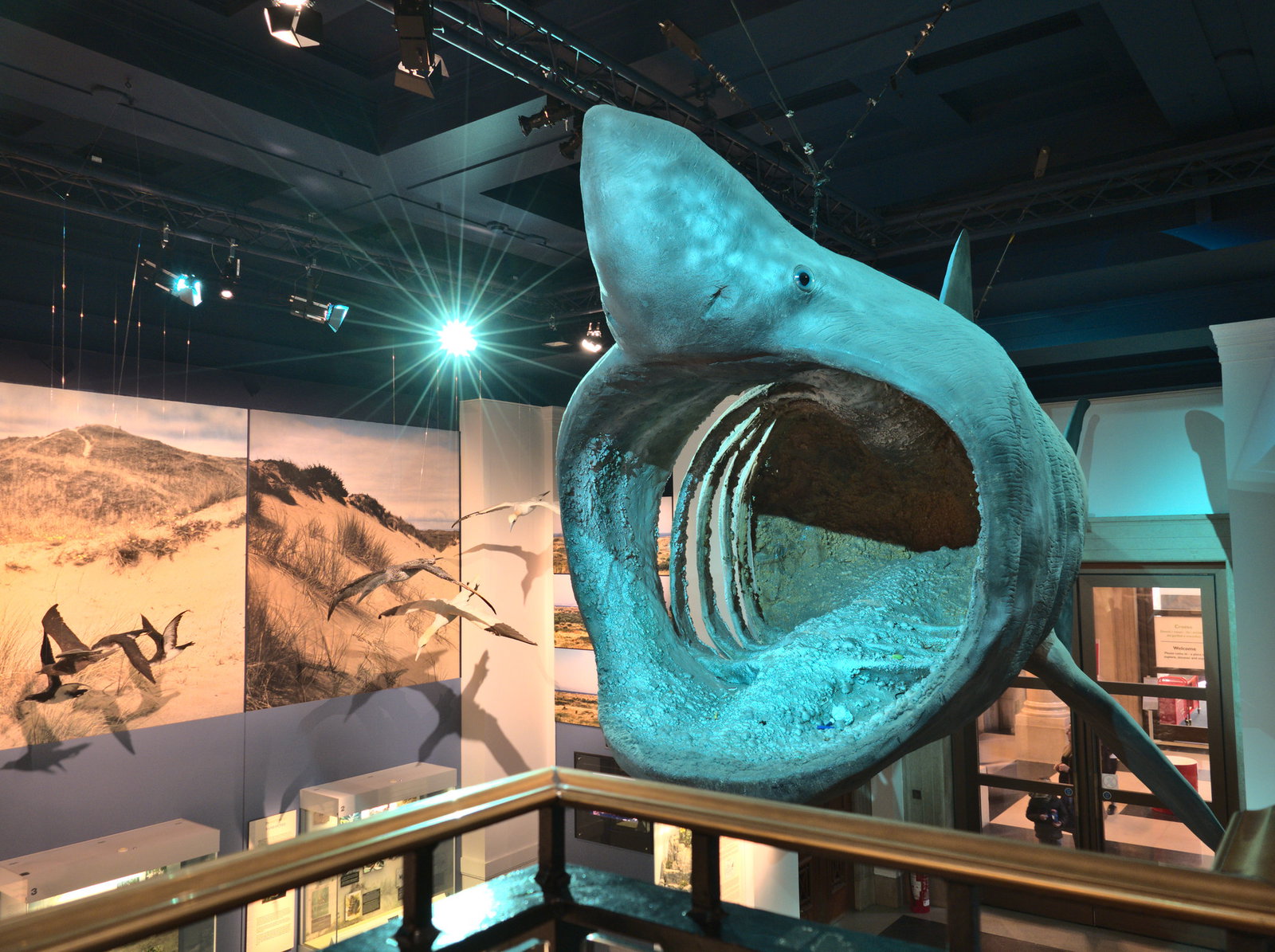
Discover the National Museum CardiffMuseum

Discover the National Museum Cardiff

2–3 hours

Free entry to world-class collections of art (Monet, Renoir, Cézanne — one of the best Impressionist collections in the UK), natural history, and Welsh archaeology all under the same dome. A must, whatever the weather.

Walk Cardiff Bay & Mermaid QuayWaterfront & Architecture

Walk Cardiff Bay & Mermaid Quay

Half day

Stroll the barrage, visit the Senedd (Wales' parliament — free public tours), and take in the Wales Millennium Centre. End with dinner at one of Mermaid Quay's waterfront restaurants overlooking the inner harbour.

Visit Castell CochDay Trip & Heritage

Visit Castell Coch

2–3 hours

A 19th-century Gothic Revival fantasy designed by William Burges for the Marquess of Bute, perched above the Taff Valley in woodland. Just 20 minutes by bus from the city centre and almost always less crowded than the castle.

Experience a Match at Principality StadiumSport & Events

Experience a Match at Principality Stadium

Half to full day

Whether it's a Wales Six Nations fixture, a Champions Cup clash, or a major concert, the experience of 74,500 people under a closed roof is electric. Book tickets early — international fixtures sell out months in advance.

Best time to visit Cardiff

The best time to visit Cardiff is May to September, when temperatures are warmest (17–22°C), the city's outdoor spaces and festivals are in full swing, and Cardiff Bay is at its most inviting. Summer also brings the Cardiff Festival series, outdoor cinema, and pop-up events in Bute Park.

Spring (March–May) is excellent for avoiding crowds while still enjoying decent weather. The Six Nations rugby tournament (February–March) is one of the best times to experience the city's unique atmosphere — but book accommodation months in advance.

Autumn (September–October) sees Cardiff Bay golden in low light and the arts season kicking off at the Wales Millennium Centre and St David's Hall. Prices begin to fall after the school-holiday peak.

Winter (November–February) is the cheapest period; Cardiff's Christmas market (late November–December) is one of the UK's biggest, filling the city centre with continental stalls. Expect frequent rain — Cardiff averages around 1,150 mm of rainfall per year — but the indoor attractions (museum, castle, arcades) are all-weather highlights.

Rain is possible in any month; a light waterproof jacket is always a good idea.

Is Cardiff safe to visit?

Yes — Cardiff is generally safe for tourists and is one of the more welcoming and low-crime capitals in the UK. The city centre, Cardiff Bay, Pontcanna, and Roath are all comfortable to walk around day and night.

The main area requiring awareness is St Mary Street and the surrounding nightlife quarter late on Friday and Saturday nights, where alcohol-related disturbances occasionally occur. Staying alert and avoiding confrontations is sufficient in these areas.

Pickpocketing in busy areas (Cardiff Central railway station, the Christmas market, major match days) is the most common tourist concern — keep bags closed and phones out of back pockets.

On major match or concert days, the city centre is extremely busy but well-stewarded; police presence is high and the atmosphere is almost always good-natured. Cardiff has a notably inclusive and friendly LGBTQ+ scene centred on Charles Street.

UK emergency services: dial 999 for police, fire, or ambulance. Non-emergency police: 101.

Suggested itinerary

3 Days in Cardiff: Castle, Bay & Beyond

This plan is designed for a first-time visitor staying centrally — Cathays, the city centre, or Cardiff Bay all work well. It is mid-paced with room for spontaneous café stops and shopping. Budget is mid-range (most major attractions are free or under £20).

Day 1

The City Centre: Castles, Arcades & the Museum

Start at Cardiff Castle when it opens at 9 am — the Roman walls, Norman keep, and Bute apartments reward an unhurried 2–3 hours. Walk through Bute Park to the rear exit, then head back through the Victorian arcades: Morgan, Royal, and Castle Arcade. Lunch at a café in the arcades or one of the independent spots on nearby High Street Arcade.

Spend the afternoon at the National Museum Cardiff in Cathays Park — the Impressionist collection alone is worth an hour. The civic centre precinct around the museum is a fine example of Edwardian Portland stone architecture.

In the evening, head to the Pontcanna or Canton area for dinner — both neighbourhoods have Cardiff's best independent restaurant scene. Try Welsh lamb, Gower salt-marsh beef, or fresh Pembrokeshire seafood.

Cardiff — The City Centre: Castles, Arcades & the Museum

Travel essentials

Getting around

Cardiff is compact and very walkable — most city-centre attractions are within 30 minutes on foot. Cardiff Bus (Bwcabus and Cardiff Bus network) covers the suburbs and Cardiff Bay. The Cardiff Waterbus (seasonal, April–October) links Bute Park and Cardiff Bay. Taxis and Uber are plentiful. Cycling is easy along the Taff Trail. Cardiff Central station has direct trains to London Paddington (2 hrs), Bristol (50 min), Swansea (1 hr), and Newport (15 min).

Typical costs

Budget: £60–£90/day (hostel, self-catering, free museums). Mid-range: £120–£180/day (3-star hotel, casual dining, castle entry). Upmarket: £200+/day (boutique hotel, tasting menus, theatre tickets). Most major attractions — the National Museum, the Senedd, Bute Park — are free.

Culture and etiquette

Wales has a strong national identity distinct from England — referring to the country as 'Wales' rather than 'England' is appreciated. Welsh is a living language; attempting a few words (Diolch — thank you; Croeso — welcome) is warmly received. Tipping 10–15% is customary in restaurants; pubs usually do not expect tips. Queuing is taken seriously.

Safety and planning

Carry a light waterproof at all times — Cardiff's weather is changeable. Travel insurance covering medical is strongly advised for non-UK residents. NHS Urgent Treatment Centres are available without an appointment for minor injuries; University Hospital of Wales handles emergencies. Keep a note of your accommodation address for taxi drivers.

Connectivity

Free public Wi-Fi is available in the city centre (Cardiff Free Wi-Fi network), Cardiff Central station, most cafés, and major attractions. 4G/5G coverage is excellent throughout the city. UK SIM cards are inexpensive (Three, EE, O2, Vodafone) and available at Cardiff Central or the arcades.

Payments

Contactless card payment is universal — Cardiff is effectively cashless in most venues. ATMs (cashpoints) are widely available in the city centre and arcades. Currency exchange is available at the Post Office and travel agents on Queen Street.

Cardiff travel FAQs

More destinations to explore

Cardiff, Wales, United Kingdom