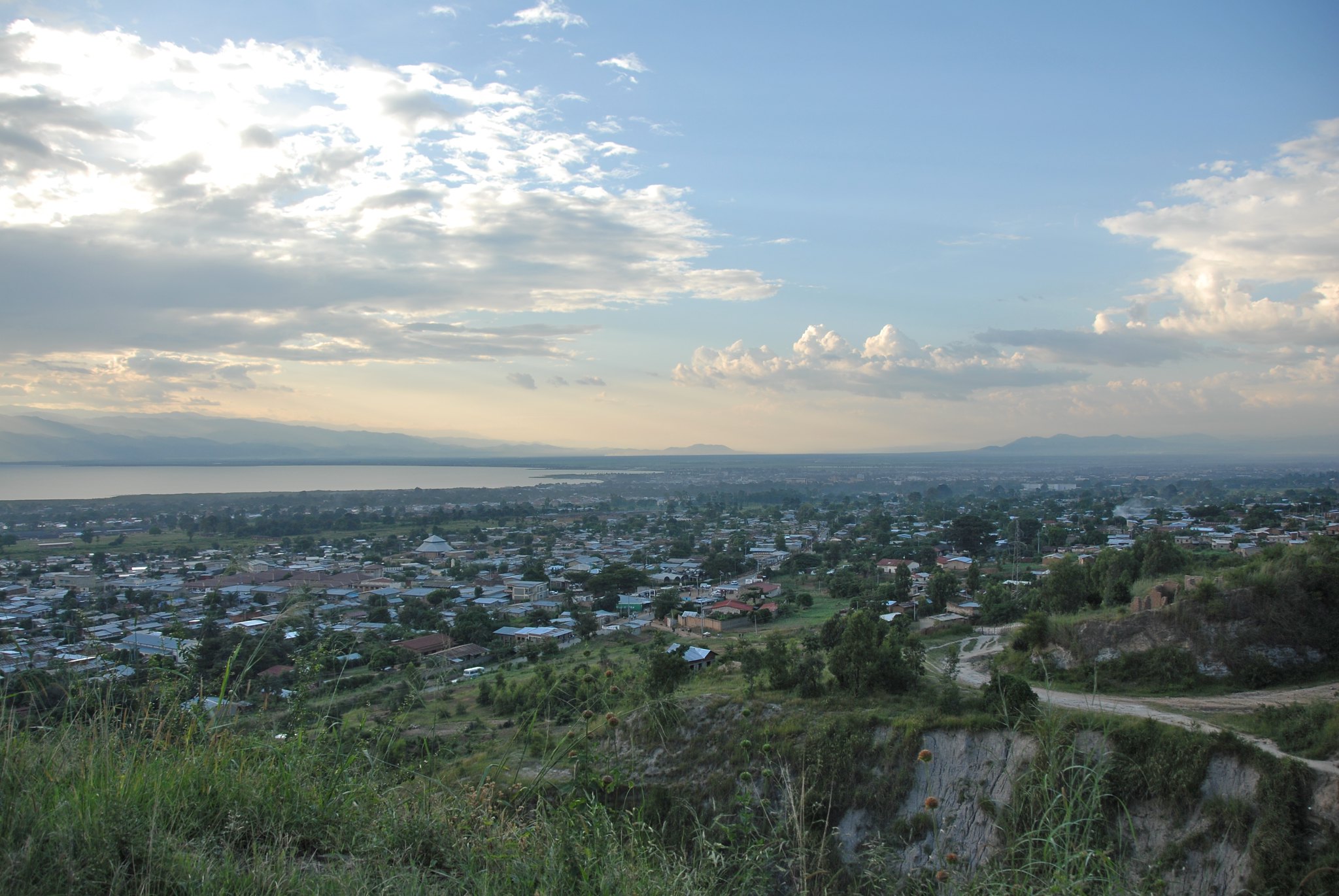
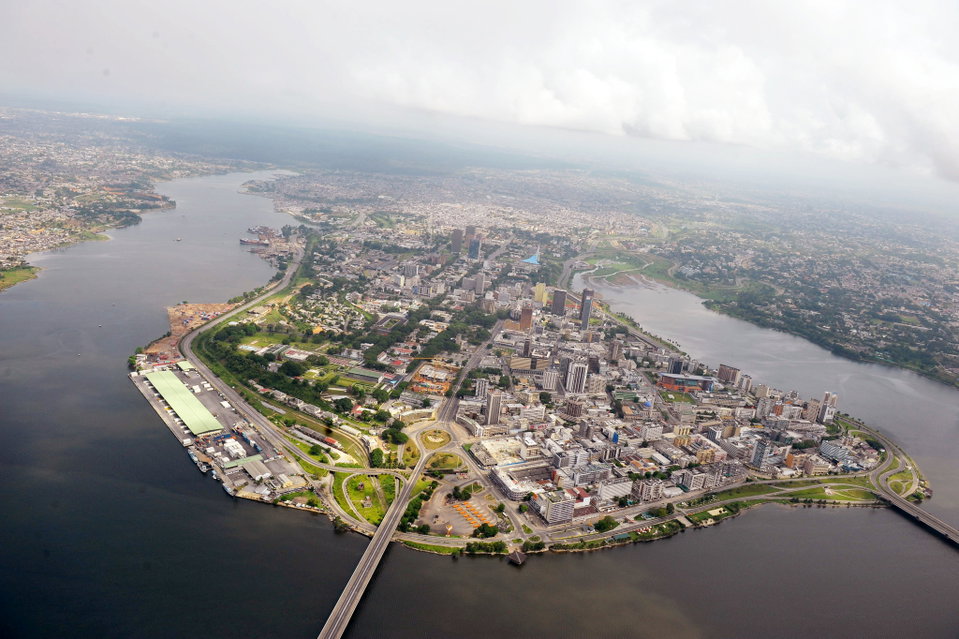
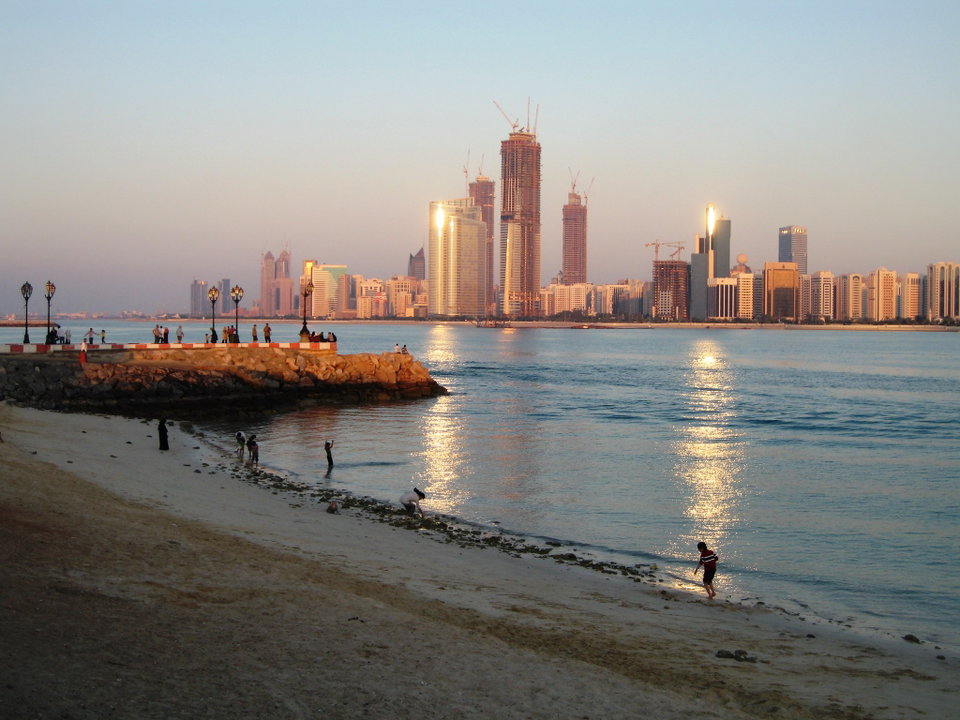
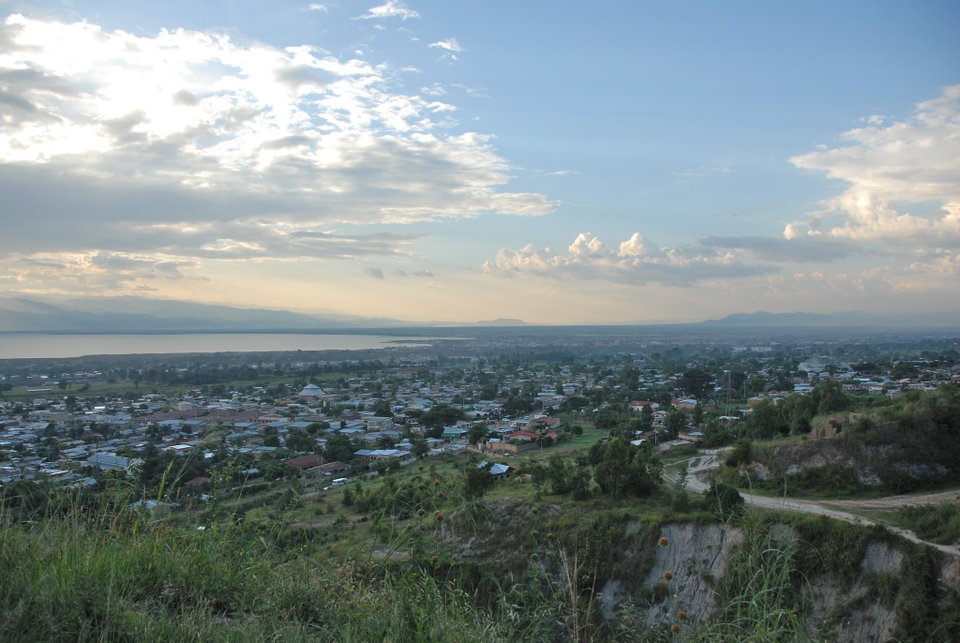
Bujumbura waterfront at sunset with Lake Tanganyika stretching to the horizon

Destination guide

Bujumbura

East Africa · Burundi

East Africa's Hidden Lakeside Gem

Best season

June to August (dry season) and December to February

From Nairobi

Approx. 1 hr 30 min direct (Kenya Airways / RwandAir via Kigali ~2 hr 30 min)

Why Visit Bujumbura

Bujumbura is East Africa's best-kept secret — a lakeside city that combines stunning natural scenery with authentic urban life and almost zero tourist crowds. Where other regional capitals feel polished for outside consumption, Buja feels entirely itself: a city of tree-lined boulevards, buzzing open-air fish restaurants, and a beach scene that locals have made entirely their own.

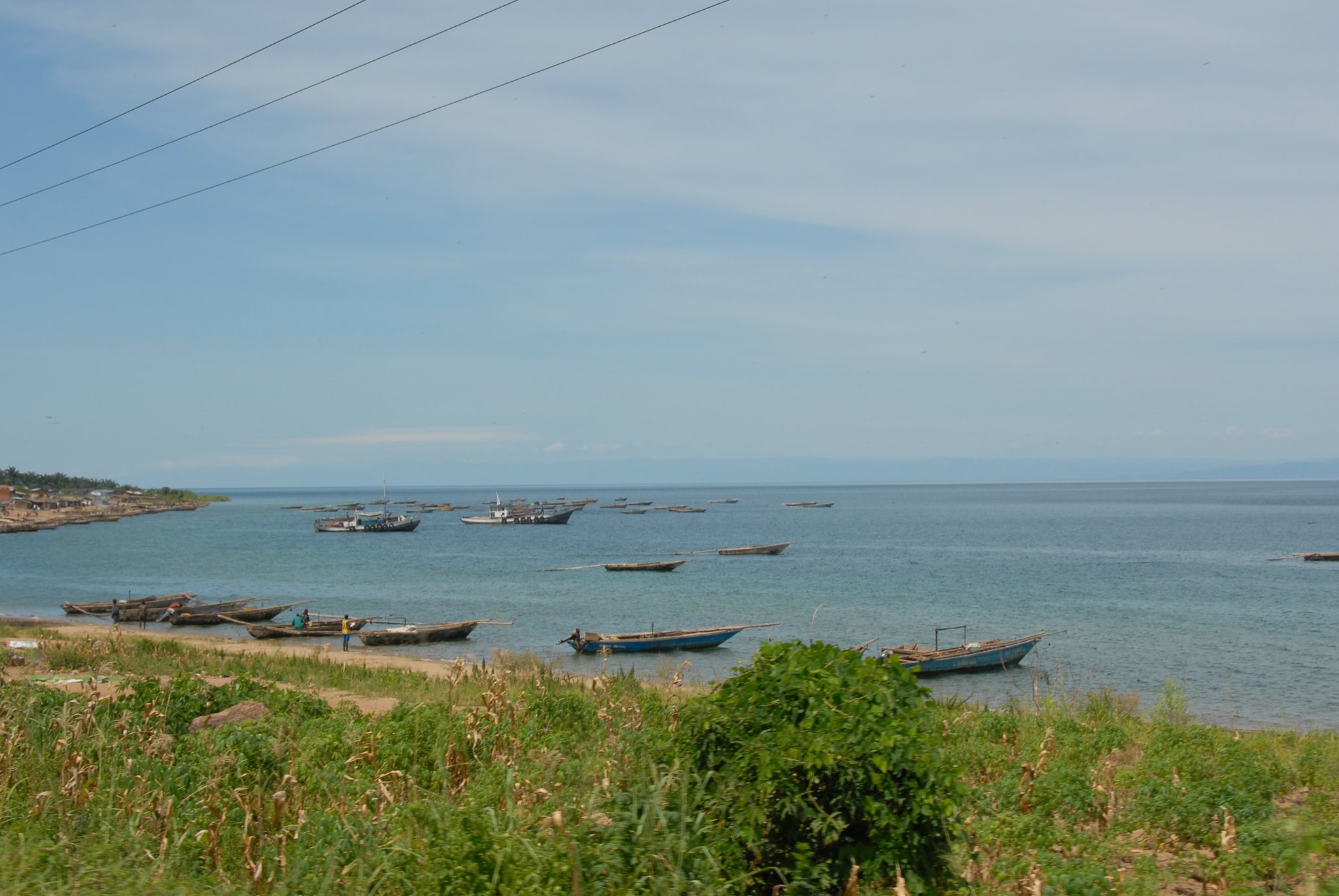
The draw begins with Lake Tanganyika. Swimming in gin-clear water while watching the Congolese mountains across the border materialise through morning haze is an experience that rivals anything the continent offers. The lake's unique ecosystem — home to hundreds of endemic cichlid fish species — makes it a paradise for snorkellers and divers. On shore, the Saga Beach and Cameleon Beach strips fill on weekends with families, musicians, and grilled tilapia that is among the finest freshwater fish you will eat anywhere.

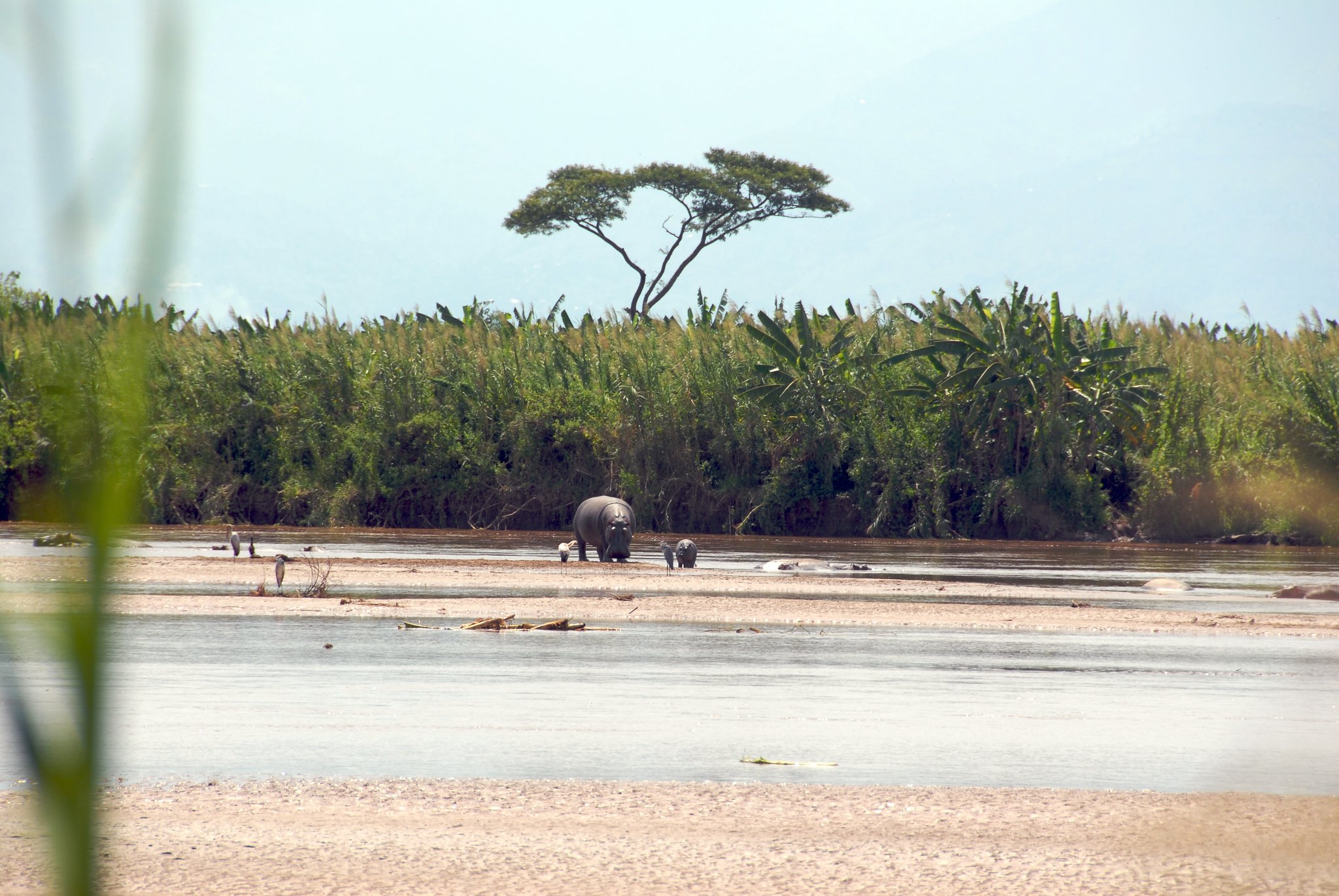
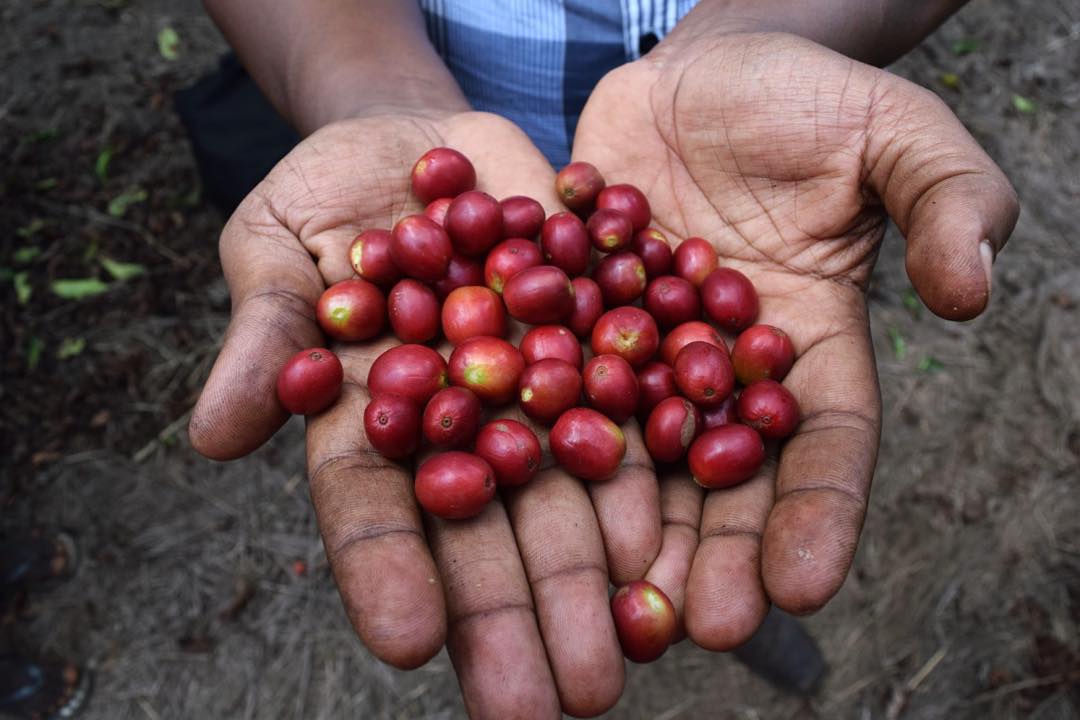
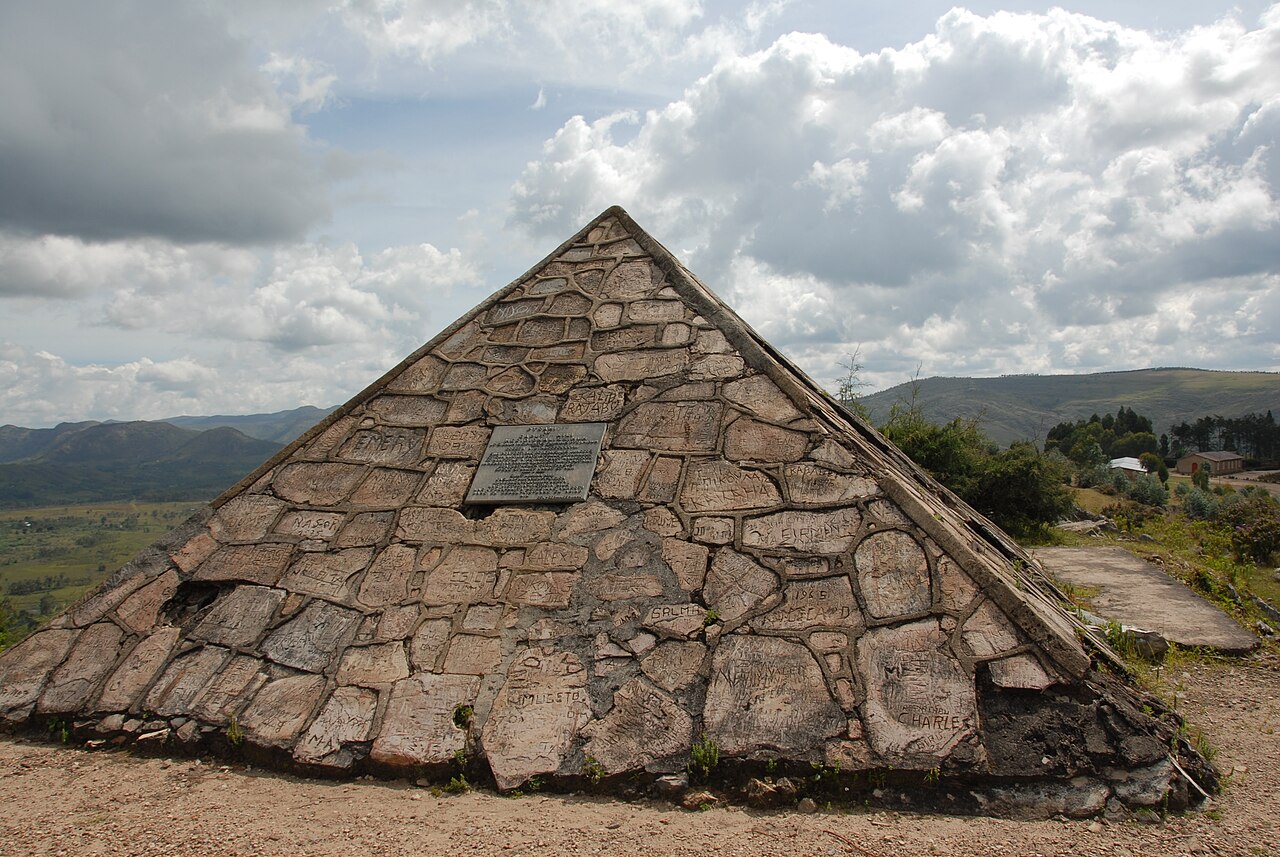
Beyond the water, the city's hills conceal the Rusizi National Park — a compact reserve with hippos, crocodiles, and birds in dense riverine forest — and the Chimpanzee Sanctuary of Tchimpounga-adjacent Gishora project. History seekers can visit the Livingstone-Stanley Monument at Mugere, marking where two of the 19th century's most famous explorers met. Coffee lovers will find single-origin Burundian beans, grown on the surrounding highlands, among the most complex and fruit-forward cups in the world.

Perhaps most compelling is the sheer authenticity of the place. Bujumbura does not perform for tourists; it simply lives, and inviting visitors in with a generosity and curiosity that is hard to put into words.

  • Swim and snorkel in Lake Tanganyika — one of the world's deepest and most biodiverse lakes
  • Watch hippos and crocodiles from a pirogue in Rusizi National Park
  • Stand at the Livingstone-Stanley Monument where two legends of exploration met
  • Eat grilled tilapia and brochettes on the shore at Saga Beach as the sun drops behind the Congo mountains
  • Sip some of Africa's most celebrated single-origin coffee, grown in the surrounding highlands
  • Explore the colourful chaos of the central Bujumbura Market, the largest in Burundi

Best for

Lake swimming, freshwater diving, authentic city culture, off-the-beaten-path adventure, birdwatching, coffee tourism

Trip style

Adventure, Cultural Immersion, Nature & Wildlife

Known for

Lake Tanganyika beaches, endemic cichlid fish, Livingstone-Stanley Monument, Burundian coffee, Rusizi hippos

Quick facts

Best time to visit

June to August (dry season) and December to February

Currency

Burundian Franc (BIF)

Languages

Kirundi (official), French (official), Swahili widely spoken

Visa summary

Visa on arrival available to most nationalities; e-Visa also available online before travel

Flight time from Nairobi

Approx. 1 hr 30 min direct (Kenya Airways / RwandAir via Kigali ~2 hr 30 min)

Airport / arrival

Melchior Ndadaye International Airport (BJM) is 11 km north of the city centre

Safety note

Exercise normal caution in central areas; avoid political gatherings and travel after dark in unfamiliar neighbourhoods

Visa and entry

Look up entry rules by passport for travel to Burundi on the Tsavaro visa checker.

Check visa requirements for Burundi

Things to do

Swim & Snorkel in Lake TanganyikaWater Sports & Nature

Swim & Snorkel in Lake Tanganyika

Half-day to full-day

Bujumbura's city beaches — particularly Saga Beach and Cameleon Beach — give direct access to Lake Tanganyika's startlingly clear water. The lake is home to over 350 endemic cichlid species, making even a basic snorkel a kaleidoscopic experience. Boat trips to quieter coves are easy to arrange.

Rusizi National Park Pirogue TripWildlife & Safari

Rusizi National Park Pirogue Trip

3–5 hours

Board a traditional wooden pirogue to drift along the Rusizi River delta, spotting hippos yawning on mudflats, Nile crocodiles basking on banks, and dozens of waterbird species including the elusive shoebill stork. The park is just 15 km from the city centre.

Burundian Coffee ExperienceFood & Drink

Burundian Coffee Experience

2–4 hours

Burundi produces some of East Africa's most prized washed arabica coffees, with tasting notes of blackcurrant, peach, and citrus. Visit a local washing station in the hills above the city or join a cupping session at one of the specialty cafés in the Rohero district.

Source du Nil Day TripNature & History

Source du Nil Day Trip

Full day

Journey to Rutovu in Bururi province to visit the officially recognised source of the Nile — the southernmost headwater of the river system that flows all the way to Egypt. A pyramid-shaped monument marks the spot, surrounded by lush highland forest.

Best time to visit Bujumbura

The best time to visit Bujumbura is during the dry seasons: June to August and December to February. These months bring clear skies, lower humidity, and calm lake conditions ideal for swimming, snorkelling, and boat trips.

June–August (Long Dry Season): The coolest and driest period of the year. Daytime temperatures hover around 26–28 °C on the lakeshore, nights are comfortable, and the lake is at its calmest and clearest. This is the peak period for outdoor activities and the best window for boat excursions on Lake Tanganyika. Rusizi National Park is also at its most accessible.

December–February (Short Dry Season): Warmer and slightly more humid than mid-year, but still largely rain-free. A good alternative if you cannot travel in the main dry season; the lake remains swimmable and beach bars are lively over the festive period.

March–May (Long Rains): Heavy afternoon downpours are common, roads to outlying sites can become muddy, and the lake can be choppy. Accommodation rates drop and the city is quieter — suitable for budget travellers willing to work around showers.

September–November (Short Rains): Light, intermittent rain, mostly in October–November. Temperatures are warm and the landscape turns brilliantly green. This shoulder period can offer good value and manageable conditions.

Bujumbura is a year-round destination for culture and city exploration; the dry seasons simply make lake and nature activities far more reliable.

Is Bujumbura safe to visit?

Yes — Bujumbura is generally safe for tourists who take sensible precautions and stay informed before and during their visit.

The city centre, lakeshore districts (Rohero, Kiriri), and tourist beaches are visited by travellers without incident on a regular basis. Street crime (bag-snatching, pickpocketing) does occur, particularly in crowded market areas, so keep valuables out of sight and use hotel safes for passports and extra cash.

Avoid travelling after dark in unfamiliar or peripheral neighbourhoods, and always use a registered taxi or ride arranged through your hotel rather than flagging down unmarked vehicles at night. Political demonstrations can arise with little notice; give any crowd or roadblock a wide berth and monitor local news.

Burundi has a complex political history and some areas outside the capital carry higher risk ratings. Check your government's travel advisory (UK FCDO, US State Department, or equivalent) before travel and register with your embassy on arrival. Many travellers also arrange a local guide for day trips, which adds both context and an extra layer of security.

Malaria is present year-round — take prophylaxis, use repellent, and sleep under a net. Drink bottled or filtered water, and ensure your routine vaccinations (hepatitis A, typhoid, yellow fever) are up to date. The DRC border region carries additional health considerations; consult a travel medicine clinic before departure.
Suggested itinerary

Bujumbura in 4 Days: Lake, City & Hills

Four days in Bujumbura give you time to soak up the lakeside atmosphere, explore the national park, dip into the city's cultural landmarks, and make a rewarding day trip into the surrounding highlands. This itinerary balances relaxation with exploration, letting you leave with a genuine sense of the city's character.

Day 1

Arrive & Discover the Waterfront

Land at Melchior Ndadaye International Airport and transfer to your hotel in the Rohero or Kiriri districts. After settling in, head straight for the lakeshore. Walk the Boulevard du 28 Novembre as the afternoon light softens, then plant yourself at Saga Beach with a cold Primus beer and watch local life unfold. As the sun sinks behind the Congolese mountains — a jaw-dropping palette of orange, pink, and purple reflected on the lake — you will know you made the right choice. Dinner at one of the beachside restaurants: whole grilled tilapia with ugali and sautéed greens.

Bujumbura — Arrive & Discover the Waterfront

Travel essentials

Getting around

Within the city, motorcycle taxis (known as taxi-motos) are the fastest and cheapest way to get around but require confidence in city traffic. Shared minibuses (bus rapides) cover most urban routes for very low fares. For comfort and safety, hotel-arranged taxis or private drivers are recommended, especially for evening travel and day trips. Four-wheel drive is advisable for highland excursions during or after rain.

Typical costs

Bujumbura is affordable by regional standards. Budget travellers can get by on USD 40–60/day (guesthouse, local food, motos). Mid-range comfort — a good hotel in Rohero, restaurant meals, private taxis — runs USD 80–150/day. A cold Primus beer costs around USD 1, a grilled tilapia dinner USD 5–10, and a coffee washing-station tour USD 15–25.

Culture and etiquette

Burundians are warm and hospitable. Greet people before getting to business — a simple 'Amahoro' (peace) in Kirundi is always appreciated. Dress modestly outside beach areas; shorts and sleeveless tops are fine on the lakeshore but draw attention in markets and government buildings. Ask before photographing people or their property. Friday is a significant day for the Muslim community in some districts.

Safety and planning

Register with your embassy on arrival. Keep digital and physical copies of your passport, visa, and travel insurance separately. Carry only what cash you need for the day. Avoid discussing local politics with strangers. Purchase comprehensive travel insurance covering medical evacuation — the nearest advanced medical facilities are in Nairobi or Kigali.

Connectivity

SIM cards from Econet Leo or Lumitel are available at the airport and city shops for a few dollars; data packages are inexpensive. Most hotels and upscale restaurants offer Wi-Fi, though speeds vary. Mobile coverage is good in Bujumbura and main towns but patchy in rural highland areas.

Payments

Cash (Burundian Francs) is king for most transactions. USD and EUR are accepted at hotels and some restaurants; carry small denominations. ATMs exist in the city centre and at the airport but can be unreliable — draw cash on arrival or carry sufficient USD/EUR to exchange at a bureau de change (taux de change). Card acceptance is limited to a handful of upscale hotels.

Bujumbura travel FAQs

More destinations to explore