The best time to visit Bamako is November to February, when the harmattan-cooled dry season brings temperatures of 22–32 °C, clear skies, and low humidity. This is the most comfortable window for sightseeing and outdoor activities, and it coincides with the peak of Mali's cultural calendar.
March to May is hot and increasingly dusty — daytime temperatures regularly exceed 40 °C in April and May, making outdoor exploration exhausting. Some travellers, however, prefer these shoulder months for the reduced crowds and lower hotel rates.
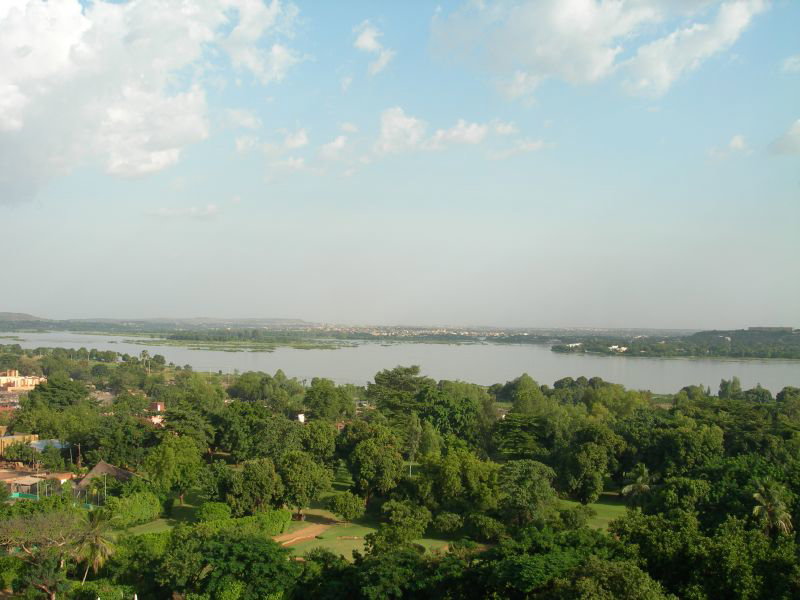
June to September is the rainy season. Daily downpours cool the air but can make unpaved roads impassable and cause flooding in low-lying neighbourhoods. The Niger rises dramatically, making pirogue trips more dramatic but also more unpredictable. Humidity is high.
October marks the transition back to the dry season. The landscape is green from the rains, temperatures are moderating, and the city is at its most verdant — an underrated time to visit if you can tolerate some lingering showers.
For music enthusiasts specifically, the Festival sur le Niger in Ségou (February) and the Bamako leg of various arts events between December and February make the cool-season window especially rewarding.
 Culture