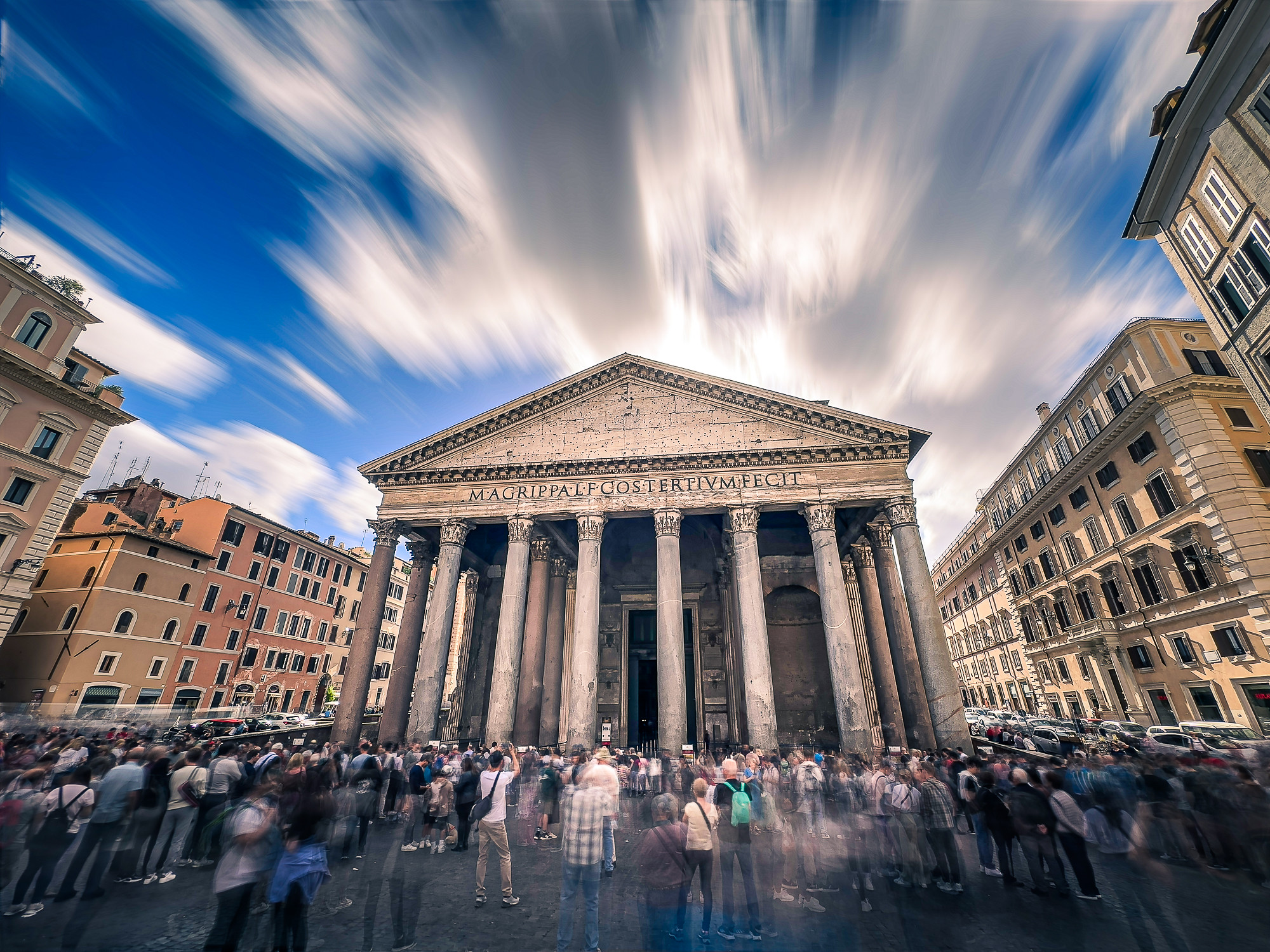
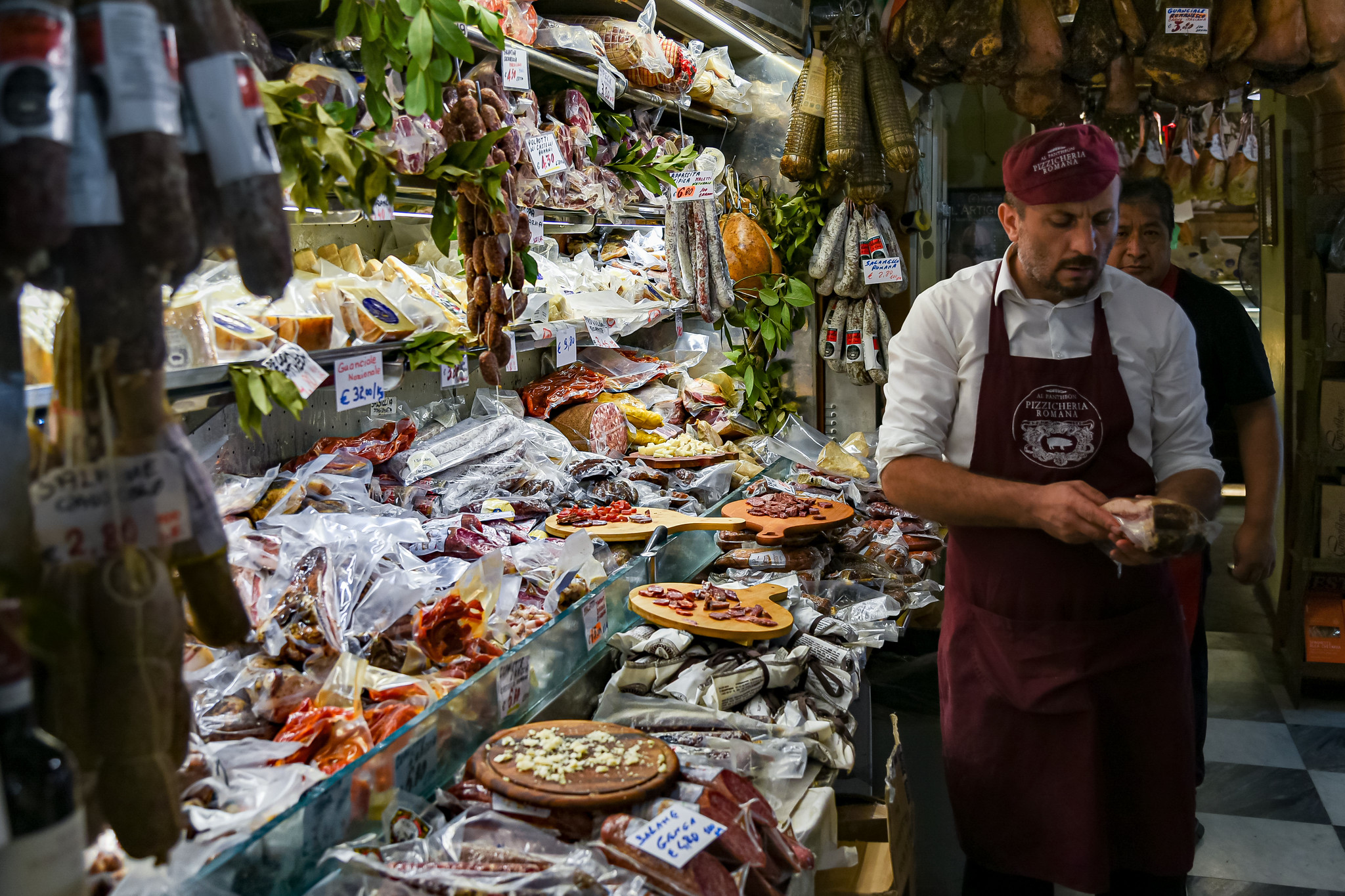
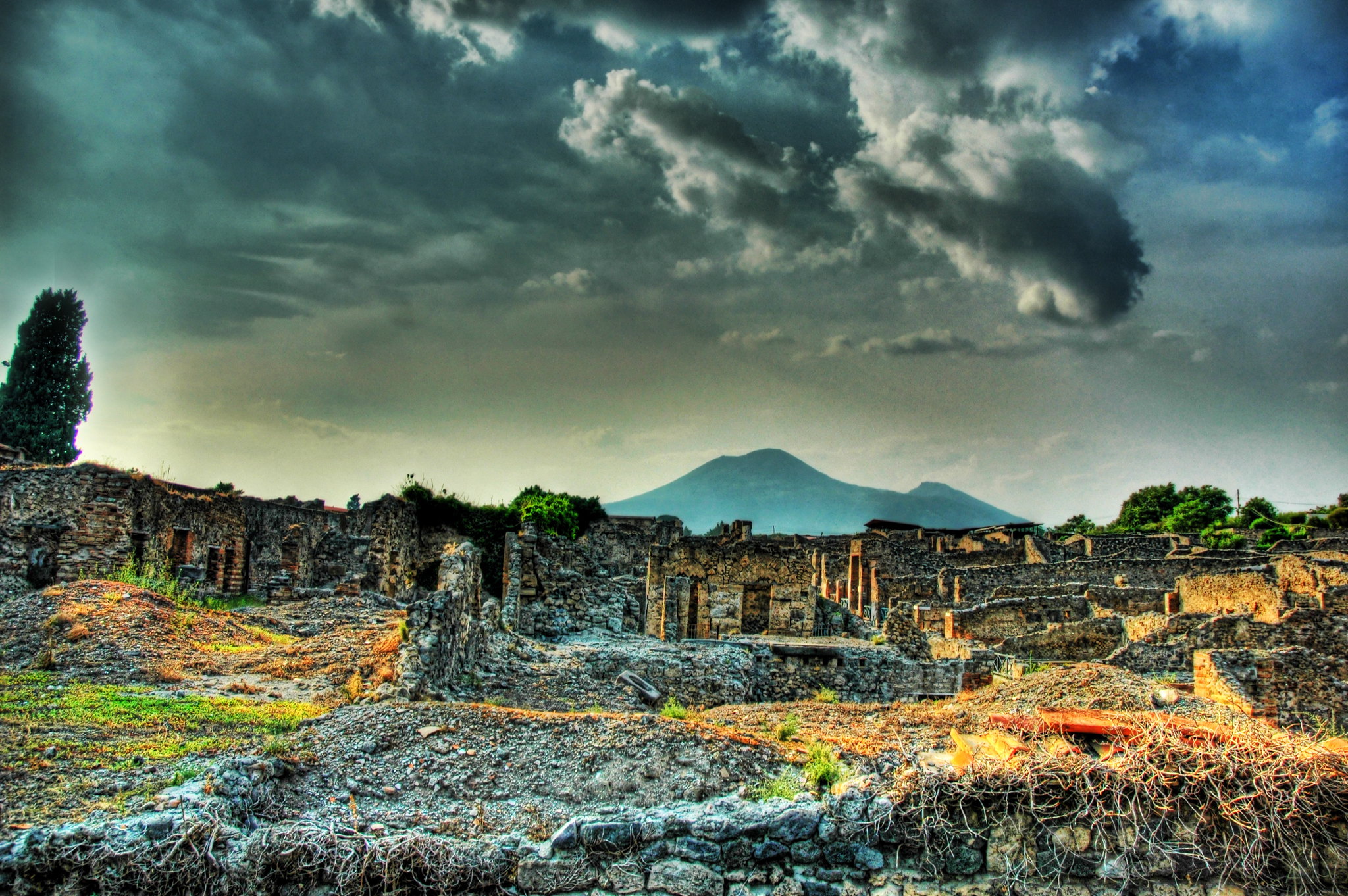
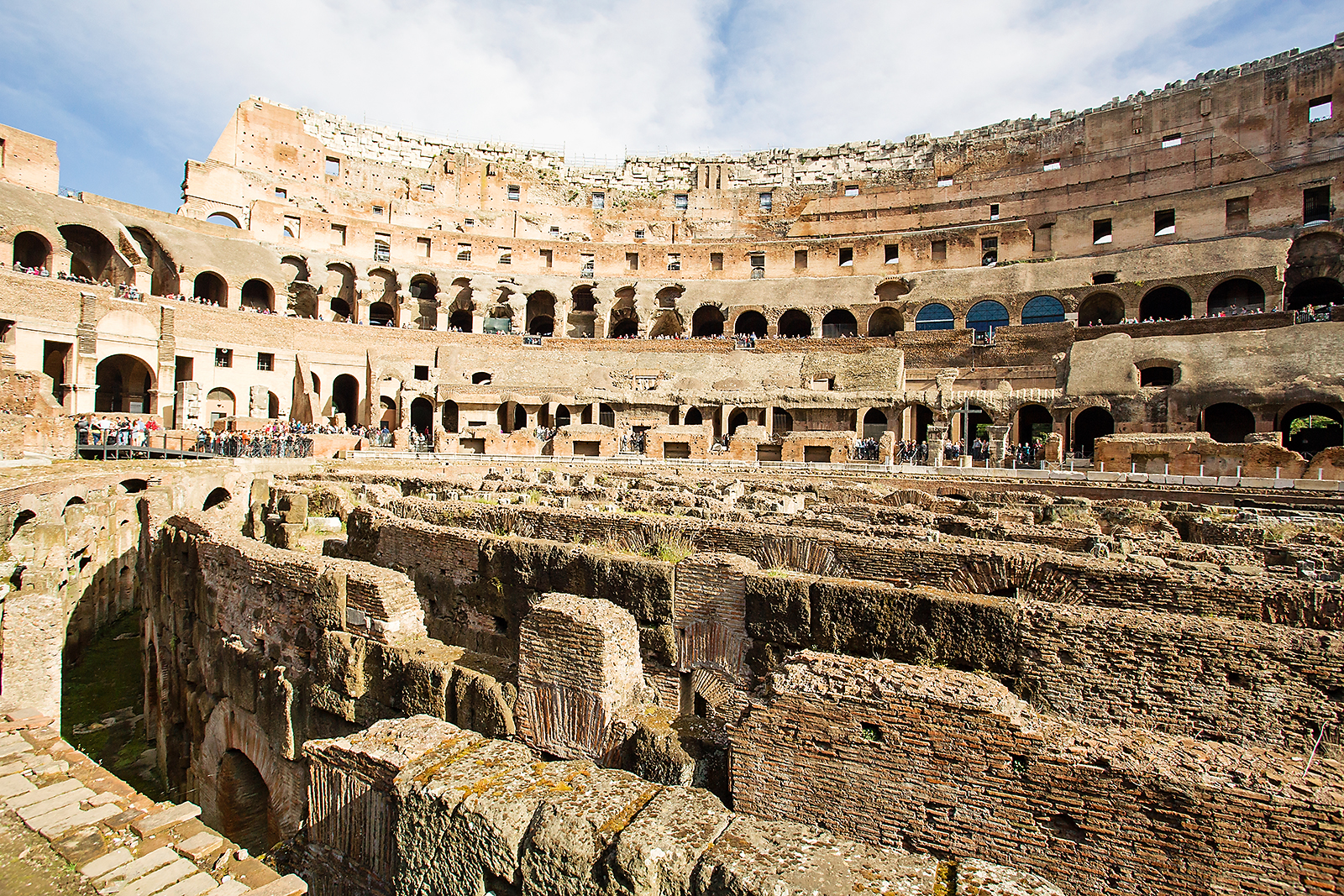
The best time to visit Rome is April to June and September to October, when temperatures are warm but not overwhelming, the city's gardens and piazzas are at their most beautiful, and queues at major sites are more manageable than in peak summer.
Spring (April–June): This is Rome at its finest. Temperatures hover between 15°C and 25°C, wildflowers bloom across the Forum and Palatine Hill, and the city's outdoor culture comes alive. Easter brings spectacular religious processions — and large crowds — so book well ahead if visiting over Holy Week.
Summer (July–August): Temperatures regularly exceed 35°C and humidity can be punishing. Major attractions are packed with tourists, prices peak, and many Romans leave for the coast. That said, the city offers long evenings, outdoor cinema, and a festive atmosphere. Go early to monuments and carry water everywhere.
Autumn (September–October): An excellent alternative to spring. The heat eases, crowds thin out, and the light turns golden. October in particular offers fine weather, harvest-season food markets, and a noticeably more local rhythm in the city.
Winter (November–March): Rome in winter is cooler (5°C–12°C), quieter, and considerably cheaper. Christmas in Rome is magical — markets, lights, and nativity scenes across the city. January and February are the quietest months with shortest queues at every site. Pack layers and a rain jacket.
 History & Culture