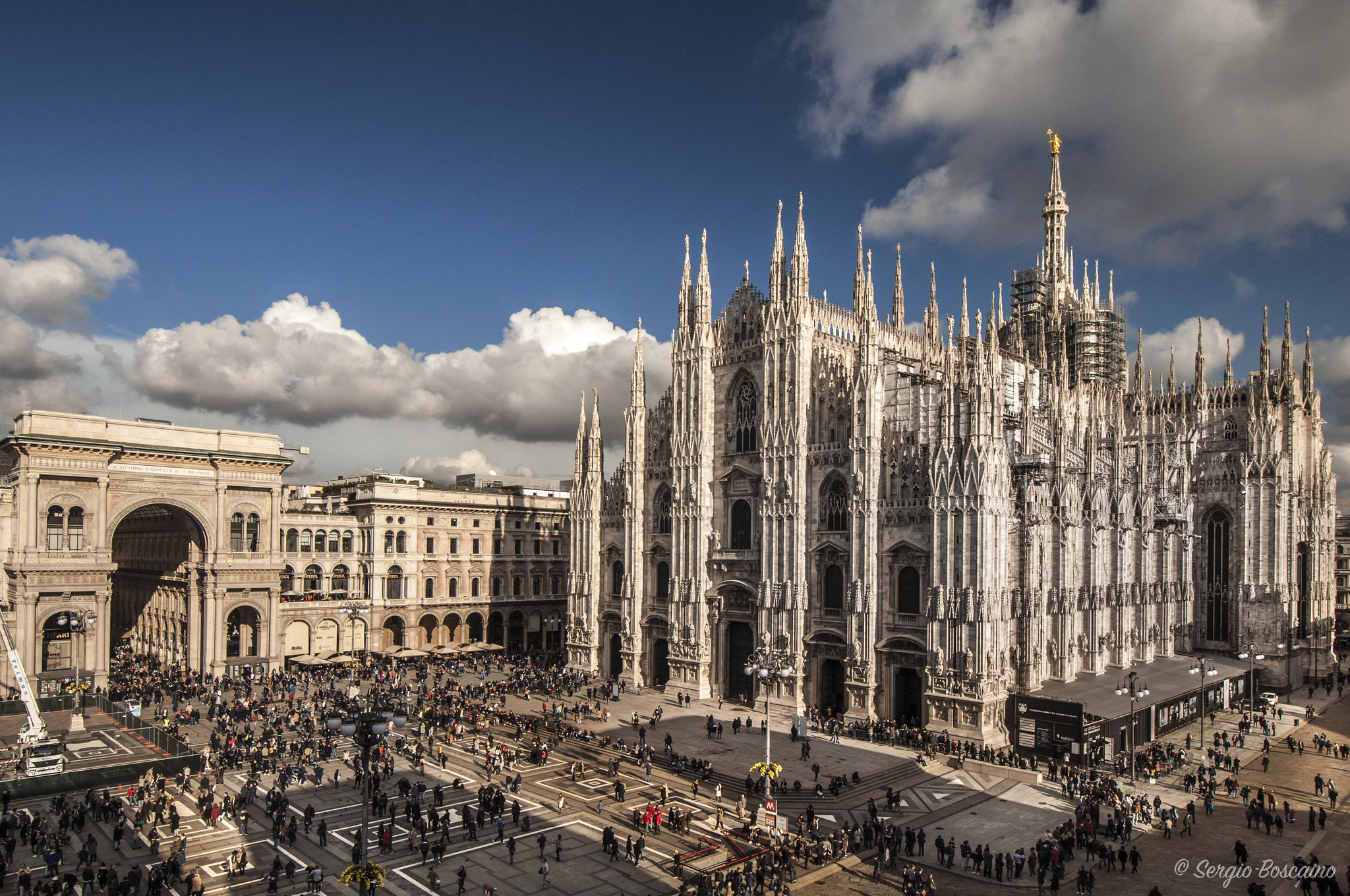
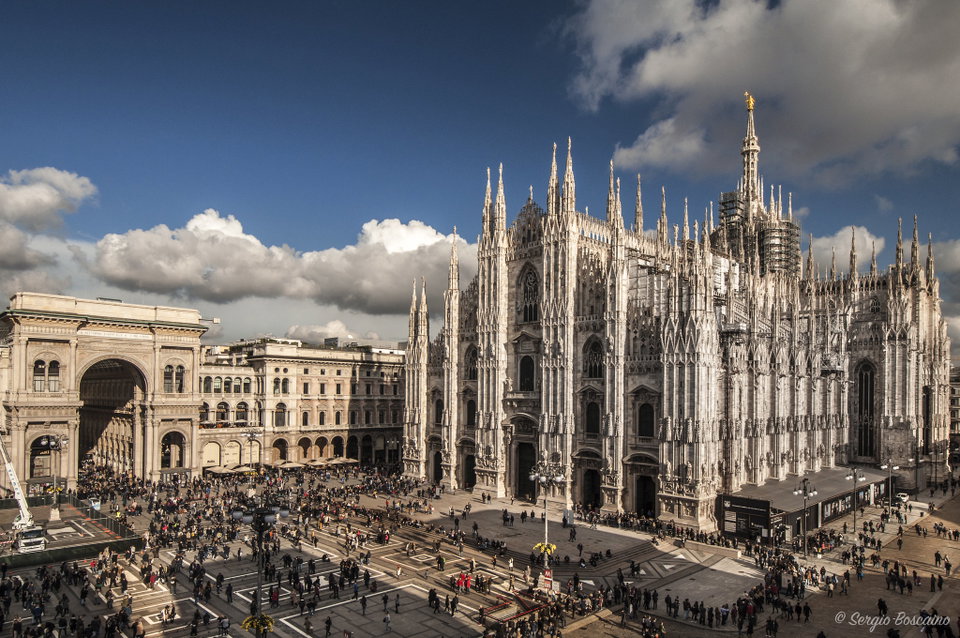
Milan's Duomo cathedral glowing at dusk with the Galleria Vittorio Emanuele II arcade in the background

Destination guide

Milan

Lombardy · Italy

Fashion, Art & Aperitivo — Italy's Capital of Style

Best season

April–June and September–October for mild weather and fewer crowds

From Nairobi

Approx. 8–9 hrs direct (NBO–MXP); varies with connections

Why Visit Milan?

Milan is a city of beautiful contradictions. It is fashion-forward yet fiercely proud of its medieval heritage. It is relentlessly busy yet knows exactly how to pause — over a perfectly made negroni and a counter piled high with free aperitivo snacks. Few cities in the world can match its density of top-tier experiences across art, architecture, cuisine, shopping and nightlife within such a walkable core.

The city's cultural calendar is extraordinary: Fashion Weeks in February and September draw the global style elite; the Salone del Mobile furniture fair every April turns the city into a design laboratory; and La Scala's opera season runs from December through July with productions that set the world standard. Beyond events, Milan's permanent collections — the Pinacoteca di Brera, the Ambrosiana, the Castello Sforzesco — could occupy weeks of happy wandering.

For travellers flying from East Africa, Milan also makes a superb base for a broader Italian or European adventure, with high-speed Frecciarossa trains connecting to Venice in 2.5 hours, Florence in under 2 hours and Rome in under 3 hours.

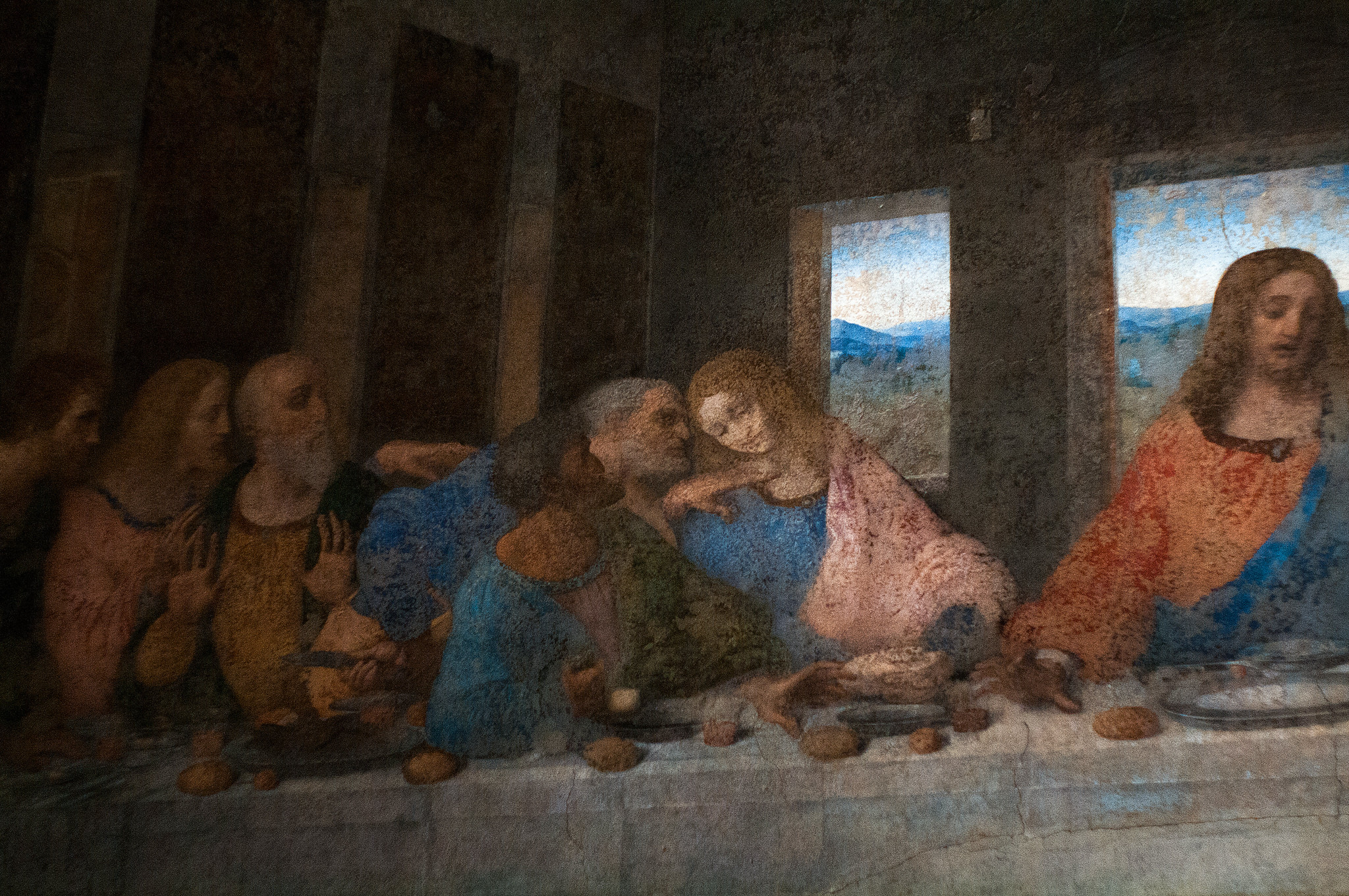
  • Stand face-to-face with Leonardo da Vinci's The Last Supper — book months ahead for a 15-minute slot that will stay with you for life
  • Climb to the Duomo's rooftop terraces for a forest of Gothic spires with the Alps on the horizon
  • Sip a Campari Spritz in the Navigli district as locals fill the canal-side bars for the city's legendary aperitivo hour
  • Browse the Quadrilatero della Moda — Prada, Gucci, Versace and Armani all within a few gilded blocks
  • Catch a world-class opera or ballet performance at Teatro alla Scala, one of the world's most storied stages
  • Escape to Lake Como in under an hour for jaw-dropping mountain-lake scenery and lakeside villas
  • Lose an afternoon in the Pinacoteca di Brera, home to Raphael, Caravaggio and Mantegna masterpieces
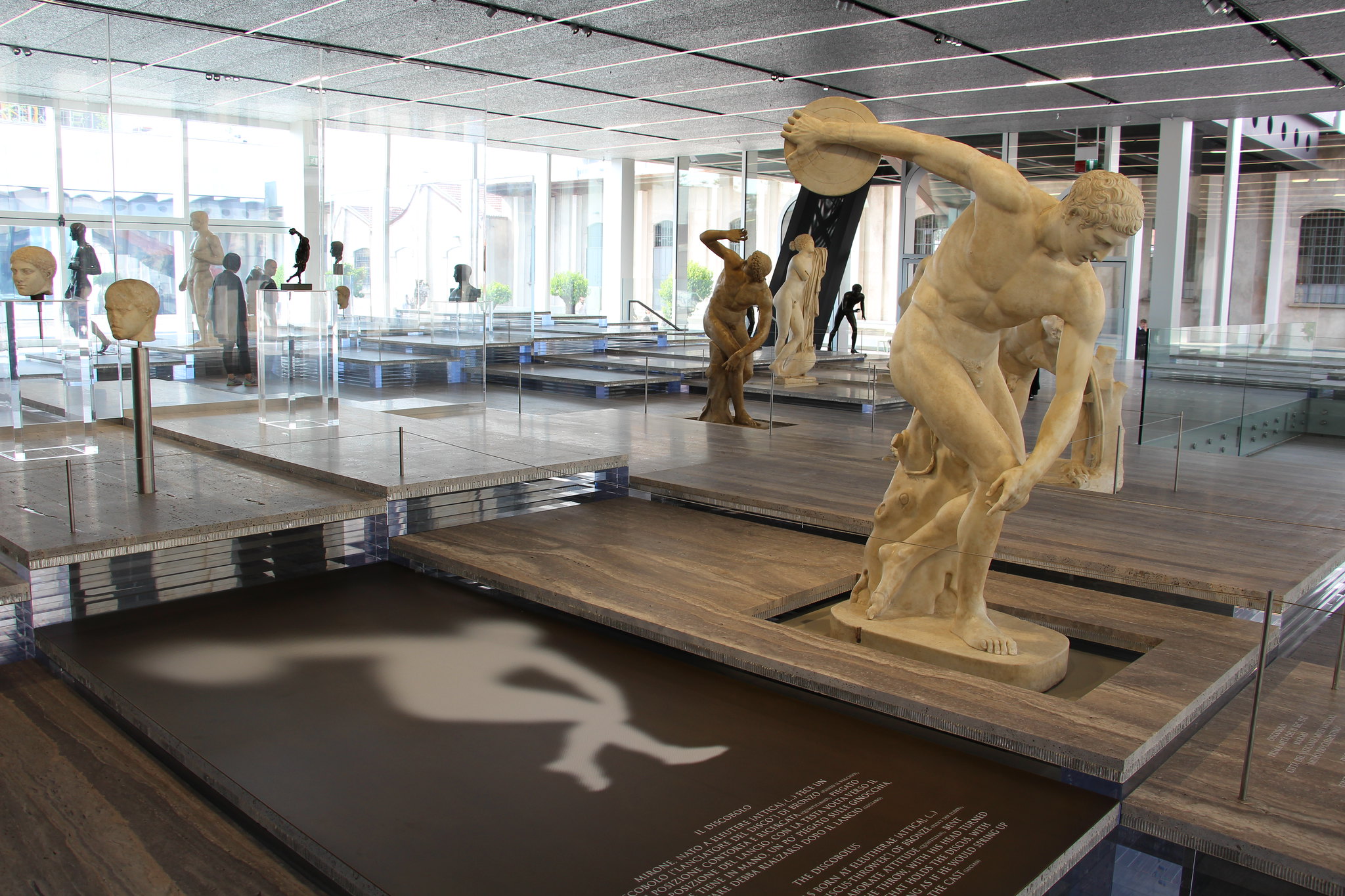
  • Explore the Fondazione Prada's boundary-pushing contemporary art in a converted 1910s distillery

Best for

Foodies, design lovers, fashion enthusiasts, art aficionados, opera fans, luxury shoppers

Trip style

City break, cultural immersion, fashion & design, culinary travel

Known for

The Duomo, The Last Supper, La Scala opera house, Fashion Week, aperitivo culture, risotto alla Milanese, the Navigli canals

Quick facts

Best time to visit

April–June and September–October for mild weather and fewer crowds

Currency

Euro (€)

Languages

Italian (English widely spoken in tourist areas)

Visa summary

Schengen visa required for non-EU nationals; EU/EEA/Swiss citizens enter freely

Flight time from Nairobi

Approx. 8–9 hrs direct (NBO–MXP); varies with connections

Airport / arrival

Malpensa Airport (MXP) for intercontinental flights; Linate (LIN) for short-haul European routes. Malpensa Express train links MXP to Milan Centrale in ~50 min

Safety note

Generally very safe; stay alert for pickpockets around the Duomo and Central Station

Visa and entry

Look up entry rules by passport for travel to Italy on the Tsavaro visa checker.

Check visa requirements for Italy

Things to do

Visit the Duomo di MilanoLandmark / Architecture

Visit the Duomo di Milano

2–3 hours

Milan's iconic Gothic cathedral took nearly six centuries to complete. Wander its vast marble interior, then take the lift or stairs to the rooftop terraces for panoramic views of the city and, on clear days, the Alps. The adjacent Museo del Duomo houses centuries of original statuary.

See The Last Supper (Cenacolo Vinciano)Art & Culture

See The Last Supper (Cenacolo Vinciano)

1–2 hours including travel

Leonardo da Vinci's late-15th-century mural in the refectory of Santa Maria delle Grazie is one of the world's most revered artworks. Entry is strictly ticketed in 15-minute timed slots — book well in advance through the official site or a guided tour.

Explore the Castello SforzescoHistory & Museums

Explore the Castello Sforzesco

2–4 hours

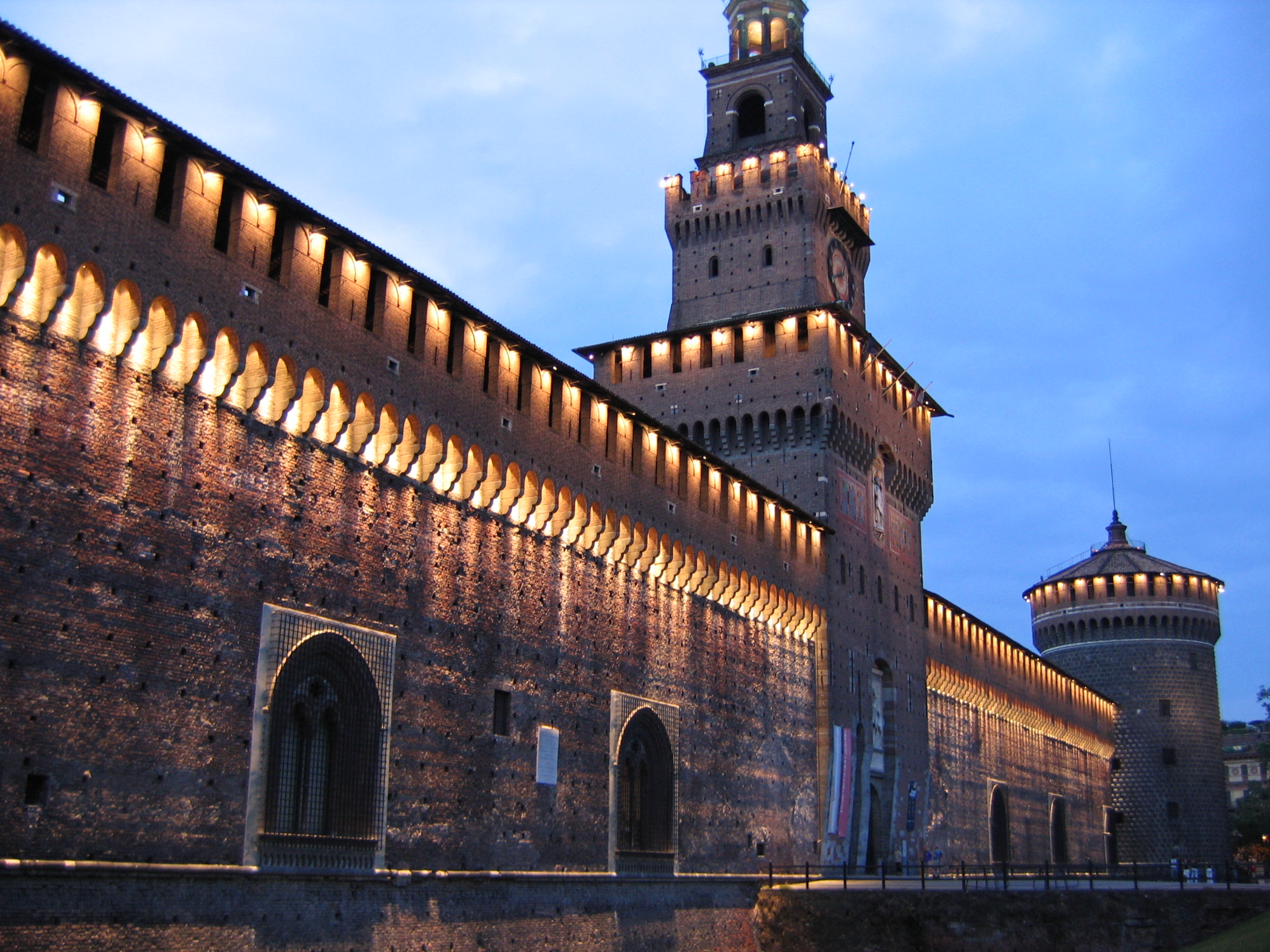
This vast 15th-century fortress houses several civic museums, including Michelangelo's final, unfinished sculpture, the Rondanini Pietà. The castle's parkland, Parco Sempione, is a perfect picnic spot.

Stroll the Galleria Vittorio Emanuele IILandmark / Shopping

Stroll the Galleria Vittorio Emanuele II

30–60 minutes

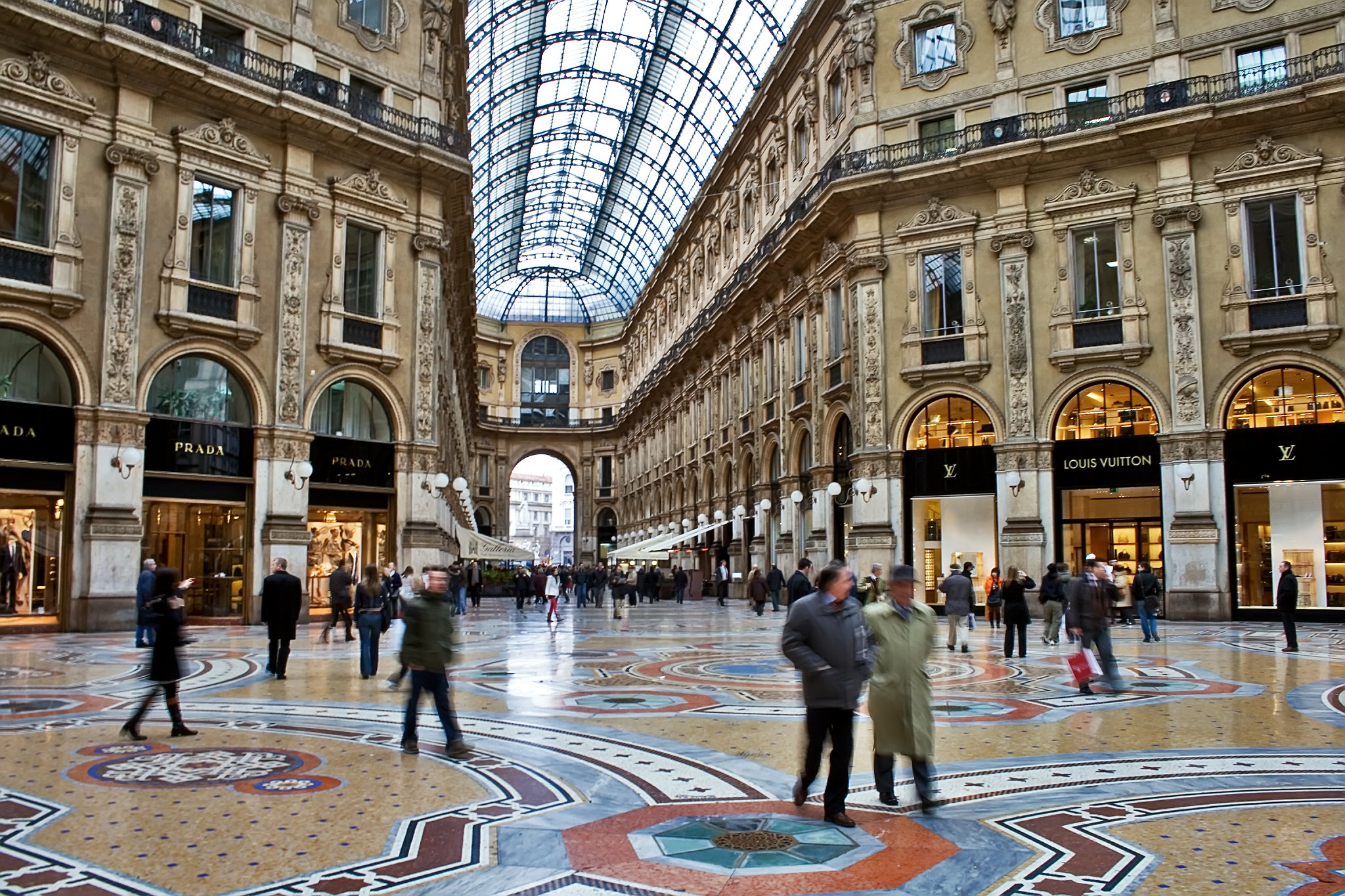
One of the world's oldest shopping malls, this 19th-century glass-and-iron arcade connects the Duomo to La Scala. Spin on the bull mosaic for good luck, admire the soaring cupola, and stop for an espresso at the historic Caffè Campari.

Attend an Evening at Teatro alla ScalaPerforming Arts

Attend an Evening at Teatro alla Scala

3–4 hours (evening)

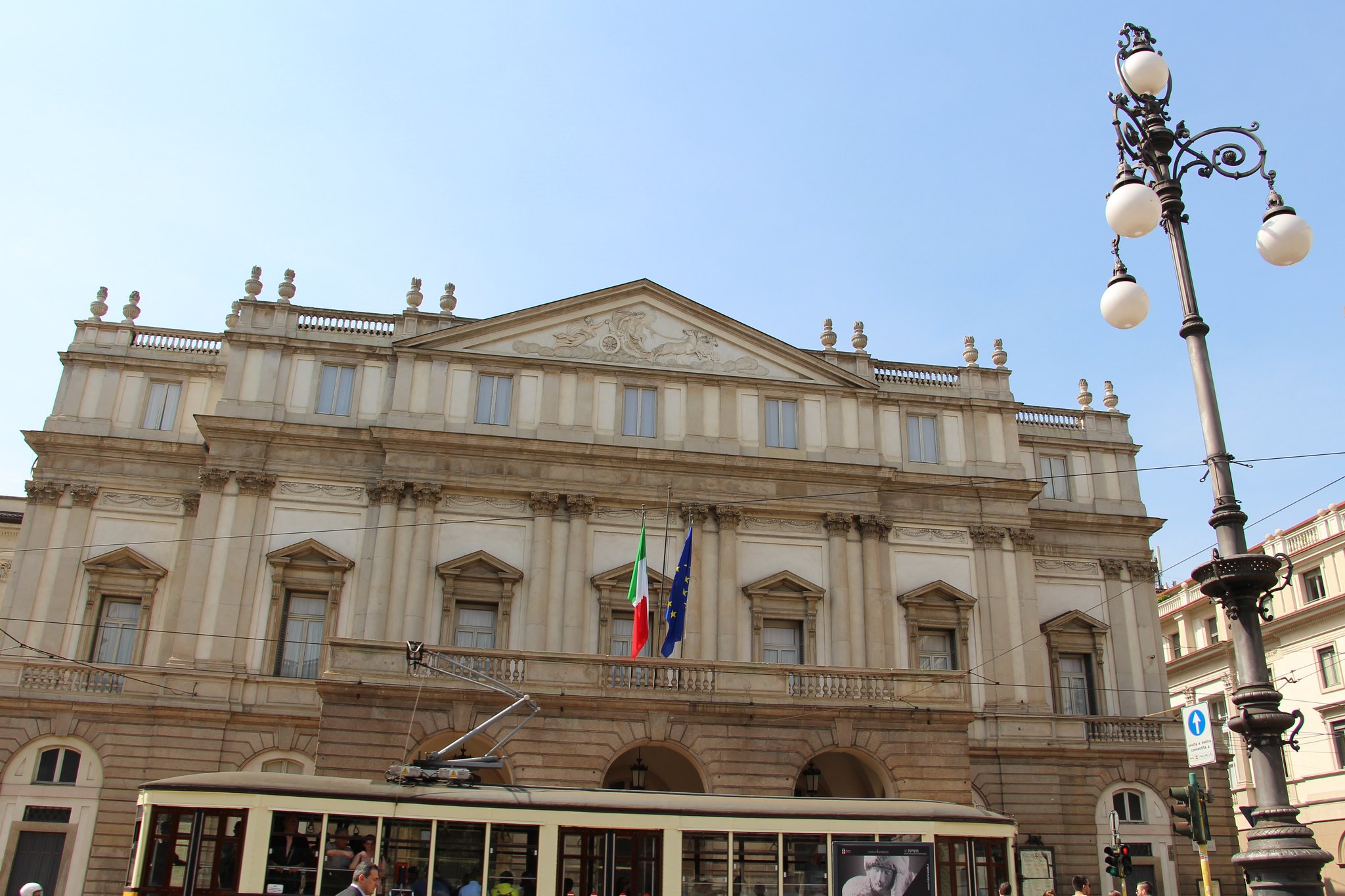
A night at La Scala is a bucket-list experience. The 1778 opera house stages world-class productions from December to July. Even without a performance, the museum inside allows you to peek at the gilded auditorium.

Wander the Navigli CanalsNeighbourhoods & Nightlife

Wander the Navigli Canals

2–3 hours

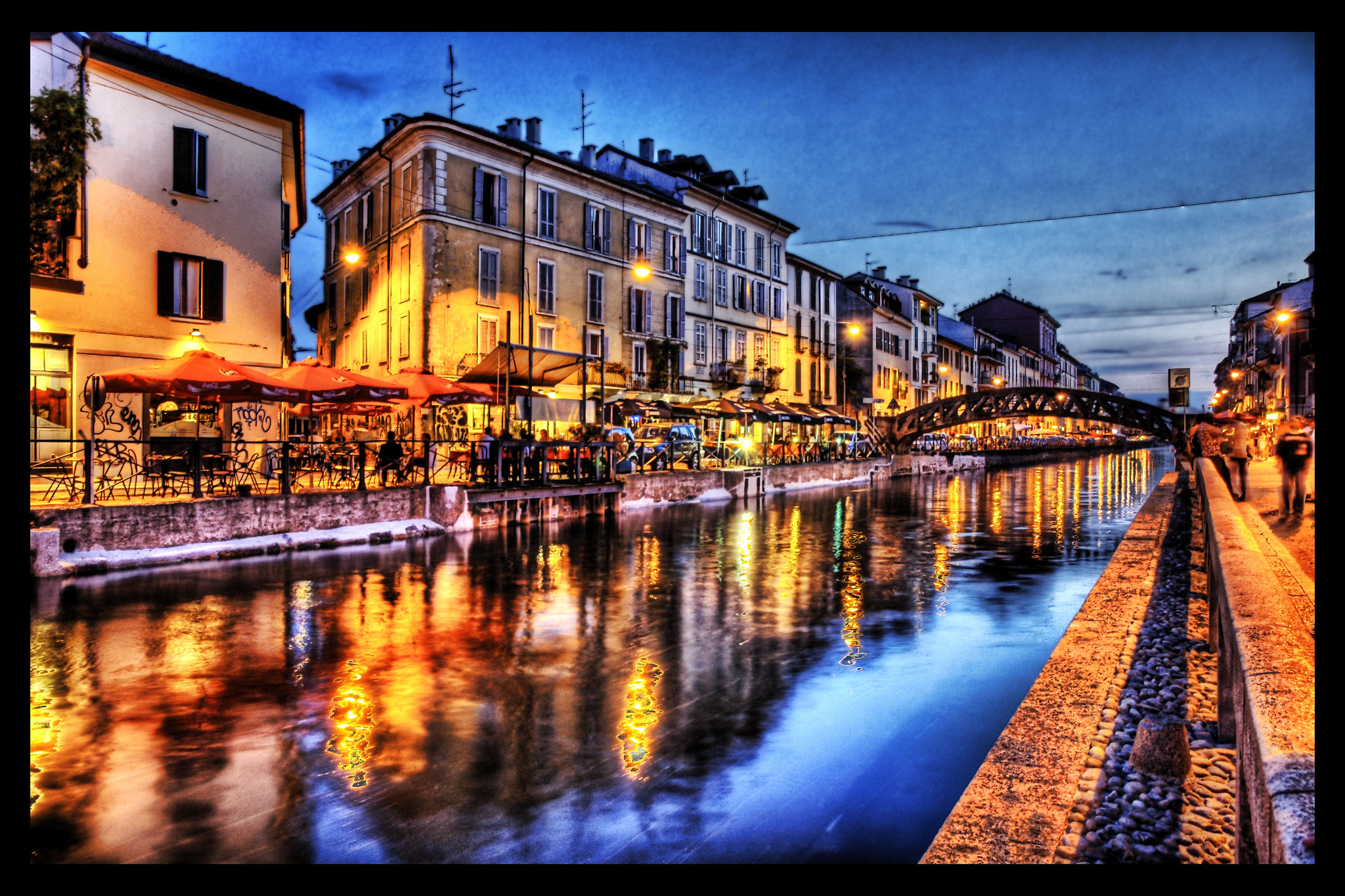
Milan's bohemian canal district comes alive at dusk when bars and restaurants spill onto the waterfront. The Naviglio Grande and Naviglio Pavese are lined with vintage shops, street art and the city's best aperitivo bars.

Discover the Pinacoteca di BreraArt & Culture

Discover the Pinacoteca di Brera

2–3 hours

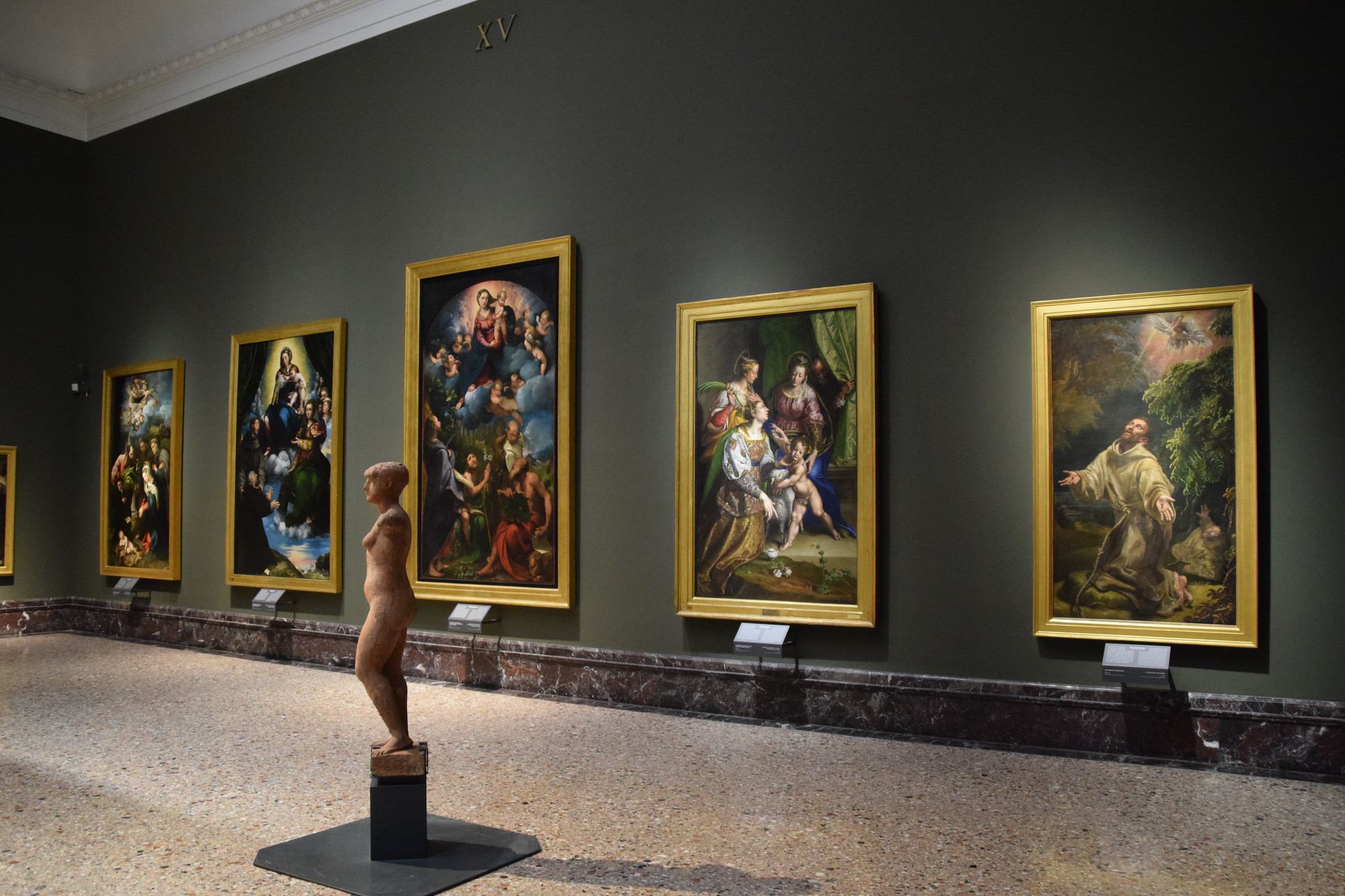
One of Italy's finest art galleries, located in a 17th-century palace in the artsy Brera neighbourhood. The collection spans eight centuries and includes Raphael's 'Marriage of the Virgin', Mantegna's 'Dead Christ' and works by Caravaggio and Tintoretto.

Day Trip to Lake ComoDay Trips & Excursions

Day Trip to Lake Como

Full day

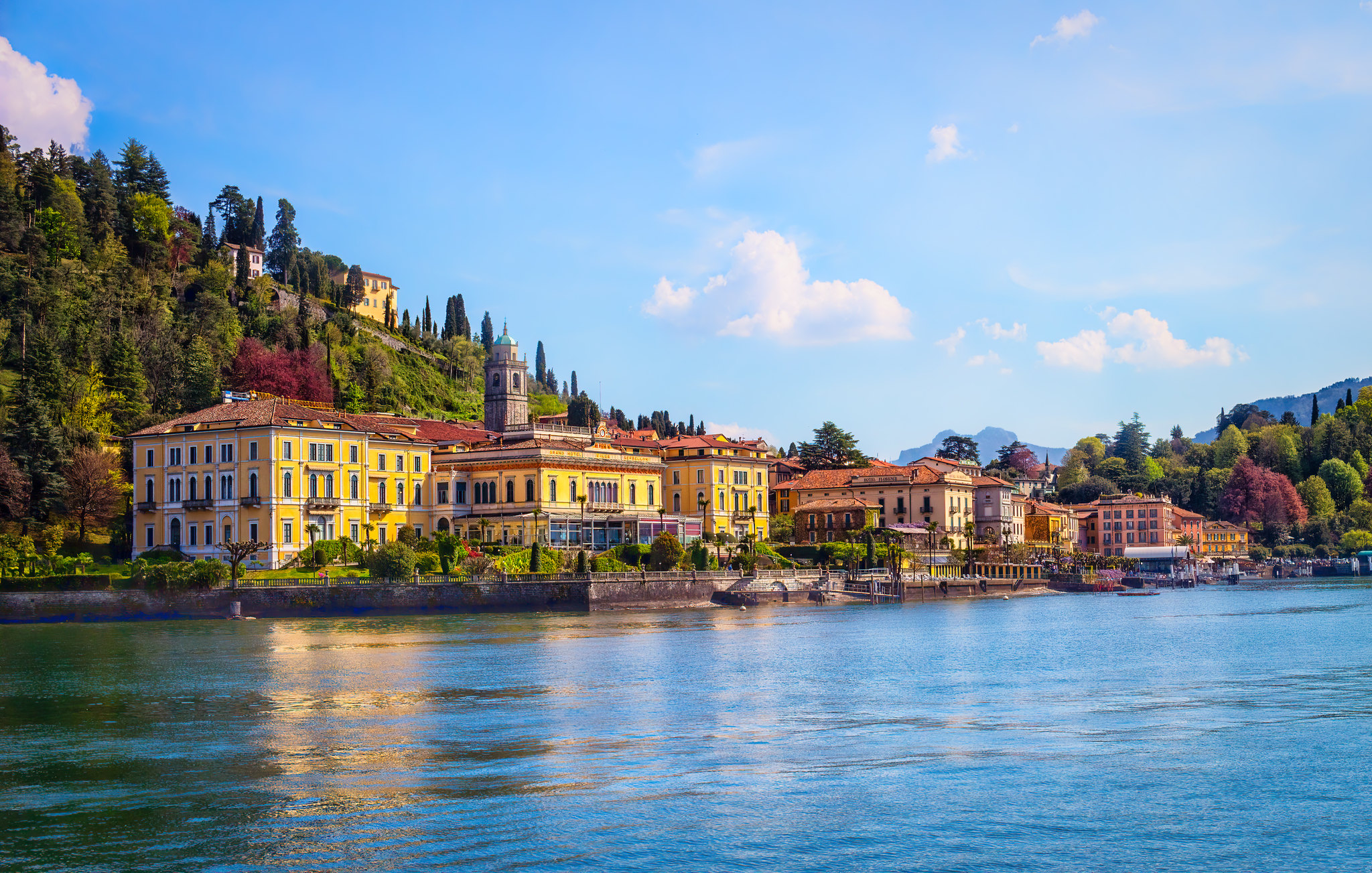
Hop a train from Milano Centrale to Como (c. 40 min) and take the ferry along Europe's most glamorous lake. Visit the village of Bellagio, stroll Villa Carlotta's botanical gardens, or simply sit with a gelato and gaze at the Alps.

Shop the Quadrilatero della ModaShopping

Shop the Quadrilatero della Moda

2–4 hours

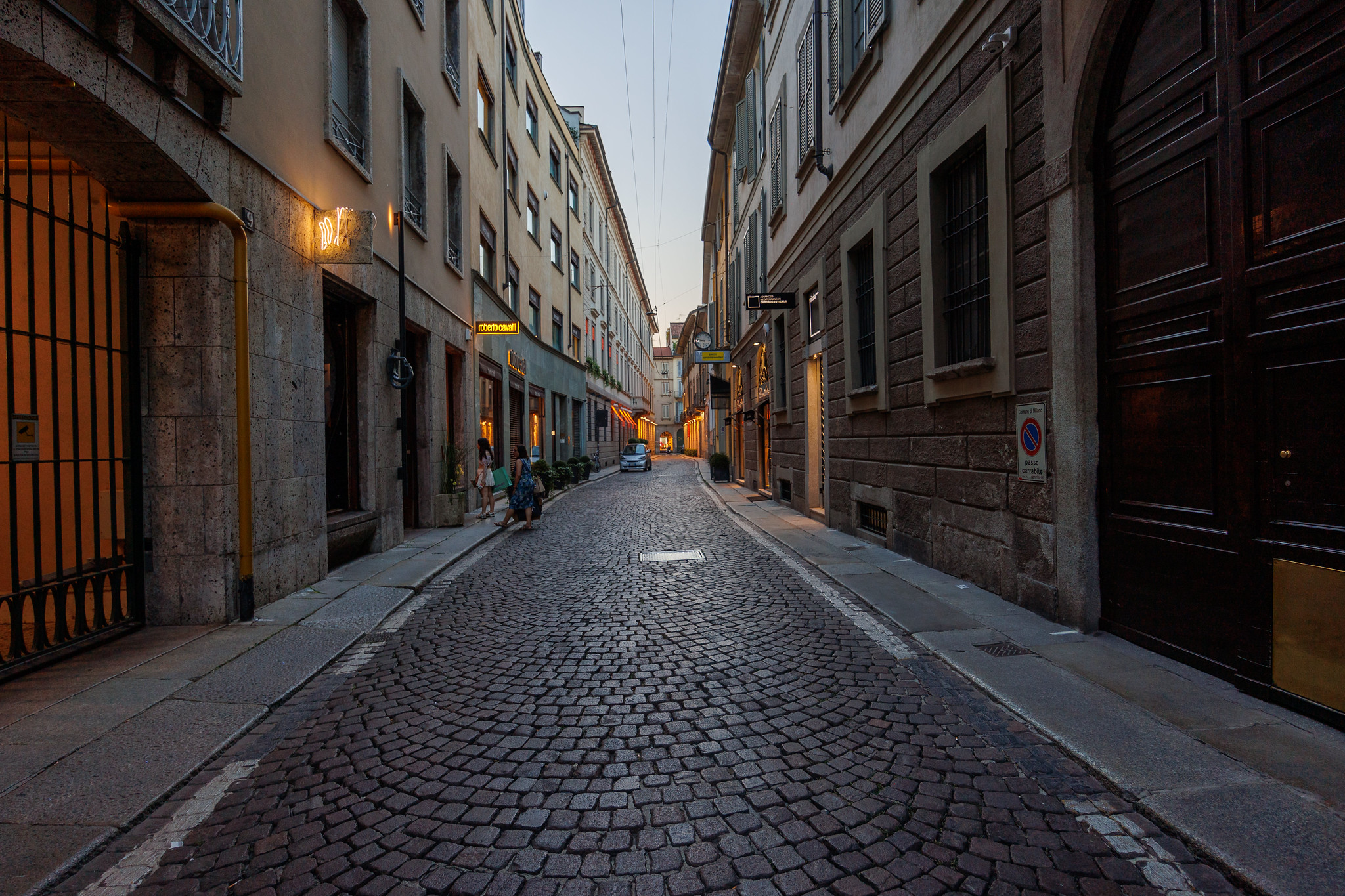
Milan's legendary fashion quadrangle — Via Montenapoleone, Via della Spiga, Via Sant'Andrea and Corso Venezia — is the world's most concentrated luxury shopping district. Window-shop the haute couture houses or hunt for sample sales.

Visit the Fondazione PradaArt & Culture

Visit the Fondazione Prada

2–3 hours

Opened in 2015 in a repurposed 1910s gin distillery, this contemporary art foundation commissions site-specific installations and shows works from Miuccia Prada's private collection. The golden 'Haunted House' pavilion alone is worth the trip.

Best time to visit Milan

The best time to visit Milan is April to June and September to October, when temperatures are pleasant (16–24 °C), outdoor café culture is in full swing and the major sights are enjoyable without the peak-summer heat.

Spring (April–June): This is Milan at its most vibrant. Cherry blossoms line the Navigli, the Salone del Mobile design fair electrifies the city every April, and Fashion Week brings a glamorous buzz in late February/early March leading into the season. Expect temperatures of 15–24 °C and occasional showers — pack a light rain jacket.

Summer (July–August): Milan can be swelteringly hot and humid (up to 35 °C) and many locals escape to the lakes or coast. Tourist attractions are busy with international visitors. Hotels are often cheaper in August. If you visit, the lakes make essential day trips.

Autumn (September–October): Arguably the finest season. The heat breaks, golden light bathes the city, the fashion and design seasons restart, and the opera season opens at La Scala in early December. September Fashion Week is the biggest of the year.

Winter (November–March): Cold and occasionally foggy (0–8 °C), but Milan is lively with Christmas markets in December, steep hotel discounts in January–February, and the spectacle of La Scala's full opera season. Snow is rare in the city but the nearby Alps are in peak ski season.
Is Milan safe to visit?

Yes — Milan is generally very safe for tourists and is considered one of Italy's safest major cities. Violent crime against visitors is rare, and the city's main neighbourhoods are comfortable to walk in day and night.

Pickpocketing is the most common issue, concentrated around the Duomo square, the Central Station (Milano Centrale) and on crowded metro lines (especially Line 3). Use a money belt or anti-theft bag, keep phones out of back pockets and stay alert in busy piazzas.

The Central Station area and some streets around Corso Buenos Aires can feel slightly edgy late at night — stay aware, but these areas are not genuinely dangerous. The Navigli and Brera districts are lively and safe after dark.

Scams: Be wary of unofficial 'guides' around the Duomo who offer to help with tickets or place flower bracelets on your wrist — these are common tourist traps. Buy Duomo and Last Supper tickets only through official websites or licensed agencies.

Transport: The metro and trams are efficient and safe; validate your ticket before boarding to avoid on-the-spot fines from plainclothes inspectors. Licensed yellow taxis are metered and reliable; agree the approximate fare for airport runs in advance.

Emergency number: 112 (all services). Police (Carabinieri): 112. Tourist assistance police (Polizia Turistica) have a desk at the Central Station.

Suggested itinerary

4 Days in Milan: Art, Style & La Dolce Vita

Four days is enough to hit Milan's greatest hits and still leave time to settle into the city's distinctive rhythm — long lunches, golden-hour aperitivo, late dinners. This itinerary balances iconic sights with neighbourhood wandering and one essential day trip.

Day 1

The Historic Heart — Duomo, Galleria & La Scala

Begin at the Piazza del Duomo as the city wakes up — the cathedral's façade is most magical in the early morning light with few crowds. Take the lift to the rooftop terraces before heading inside to the vast Gothic nave.

Cross to the Galleria Vittorio Emanuele II for an espresso under the soaring glass dome. Spin on the bull mosaic for good luck, then follow the arcade north to Piazza della Scala and the famous opera house. Visit the La Scala Museum if there's no matinée.

Spend the afternoon in the Brera neighbourhood — browse the gallery, pick up art-book souvenirs, then settle into one of the district's wine bars for a pre-dinner Barolo. Dinner: try risotto alla Milanese (saffron risotto) or ossobuco at a traditional Milanese osteria.

Milan — The Historic Heart — Duomo, Galleria & La Scala

Travel essentials

Getting around

Milan has an excellent public transport network (ATM) covering metro (4 lines), trams and buses. A 48-hour or 72-hour tourist ticket offers unlimited travel and good value. Taxis are metered yellow cabs — use official ranks or the itTaxi app. The city centre is compact and very walkable; cycling is popular via BikeMi bike-share. For day trips, Trenitalia regional trains depart from Milano Centrale, Cadorna or Porta Garibaldi stations.

Typical costs

Milan is Italy's most expensive city. Expect to pay €5–8 for a café lunch panino, €15–25 for a sit-down trattoria lunch, €40–80+ per person for dinner at a decent restaurant. A metro single ticket costs €2.20. Mid-range hotels run €120–220/night; budget options from €60–90. Museum entries: Duomo €5–25 depending on package; Brera €15; The Last Supper €15 + booking fee.

Culture and etiquette

Dress smartly — Milanese are fashion-conscious and standards in restaurants and theatres are higher than in more casual Italian cities. Cover shoulders and knees for churches. Aperitivo (usually 6–9 pm) is a social institution, not just a drink. Tipping is appreciated but not obligatory; rounding up or leaving 10% at a restaurant is warmly received. 'Coperto' (cover charge) on restaurant bills is normal and legal.

Safety and planning

Buy travel insurance that covers medical evacuation. The European Health Insurance Card (EHIC/GHIC) covers EU/UK nationals for state healthcare. Carry a copy of your passport. Keep emergency numbers saved: 112 (general), 118 (ambulance), 113 (police). Pharmacies (farmacia, marked with a green cross) are plentiful and pharmacists can give basic medical advice.

Connectivity

Milan has excellent mobile coverage (4G/5G) across all networks. Free Wi-Fi is widely available in hotels, cafés and the metro system. Buy an Italian SIM card at the airport (TIM, Vodafone or WindTre) for affordable data plans — you'll need your passport. The ATM transport app and Google Maps work well for navigation.

Payments

Cards (Visa, Mastercard) are accepted almost everywhere. American Express acceptance is less universal. Contactless payment (including Apple/Google Pay) is common. Carry €20–50 in cash for small cafés, markets and taxis. ATMs (Bancomat) are plentiful; use bank-affiliated machines to avoid high surcharges.

Milan travel FAQs

More destinations to explore