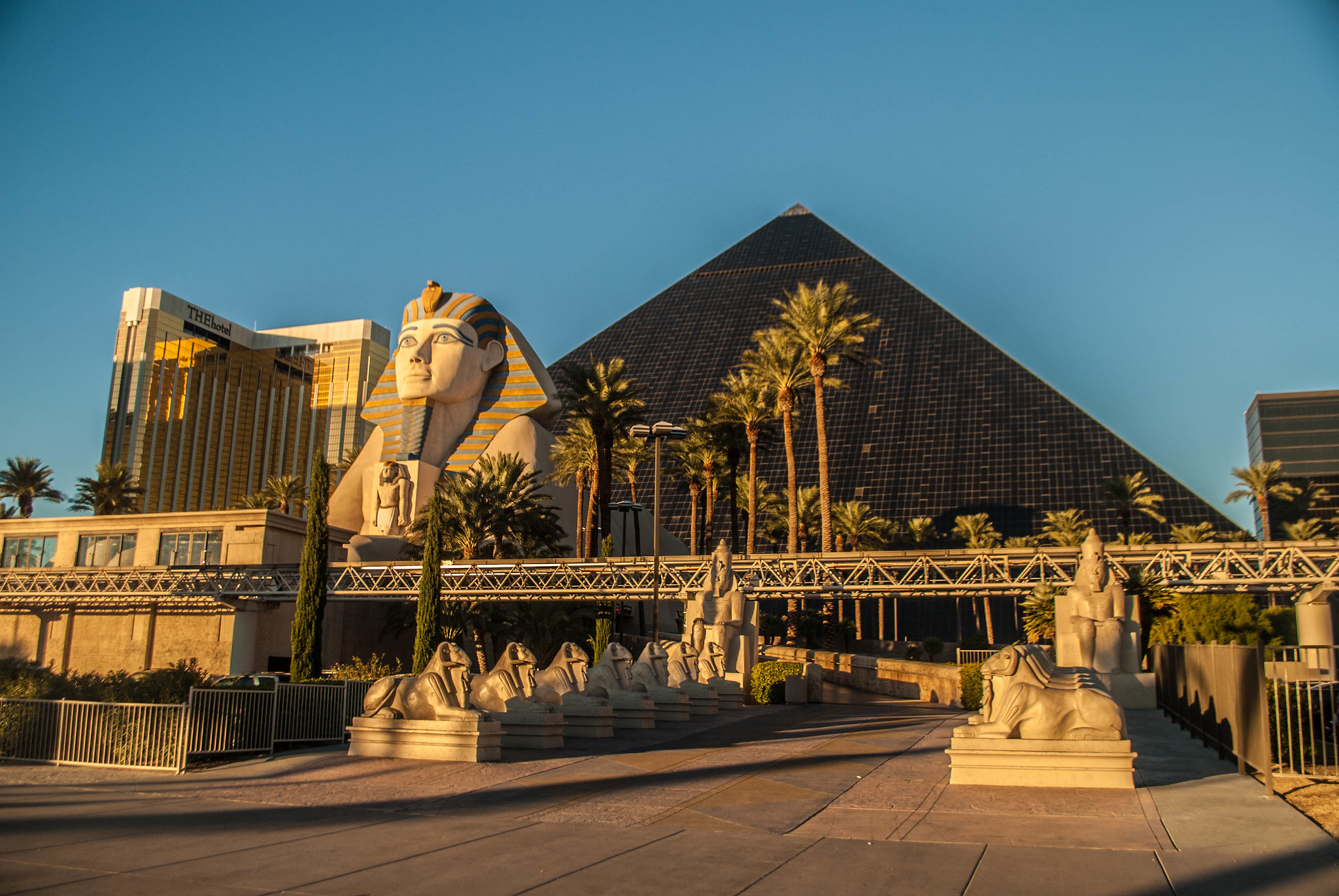
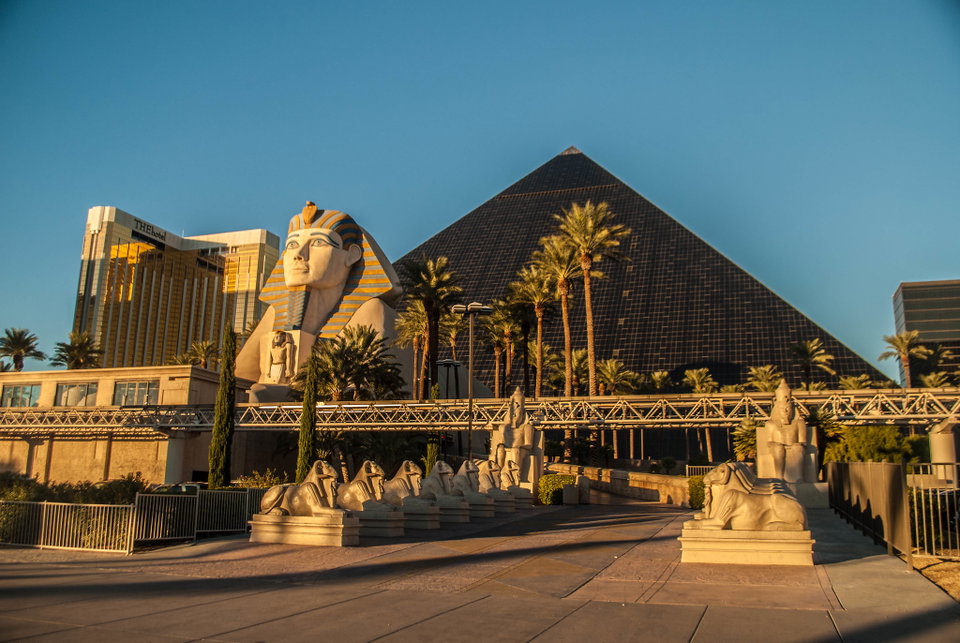
Luxor Hotel and Casino at golden hour in Luxor, Egypt.

Destination guide

Luxor

Upper Egypt · Egypt

Walk Among the Gods — The World's Greatest Open-Air Museum

Best season

October to April — cooler temperatures (20–30 °C) make sightseeing comfortable. Summer (June–August) can exceed 45 °C; visits are possible but demanding.

From Nairobi

Approximately 4–5 hours (often via Cairo); direct charter options available seasonally.

Why Luxor Belongs on Every Traveller's Bucket List

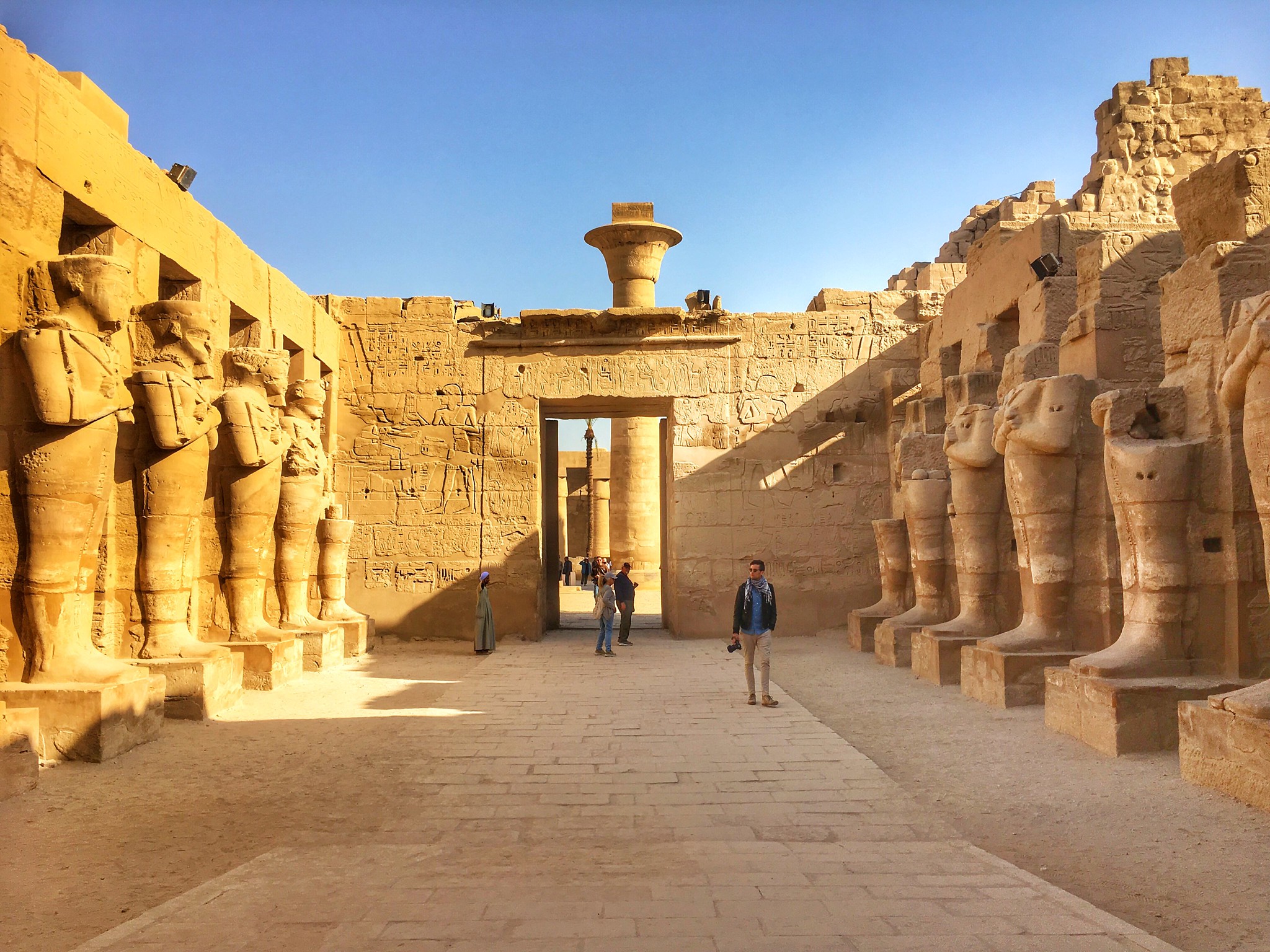
Nowhere on the planet concentrates so much human achievement in so small an area. Luxor conserves roughly one-third of all the ancient monuments on earth — a statistic that sounds impossible until you stand in Karnak's Great Hypostyle Hall and count 134 massive columns soaring overhead, their surfaces still bright with hieroglyphic colour after three millennia.

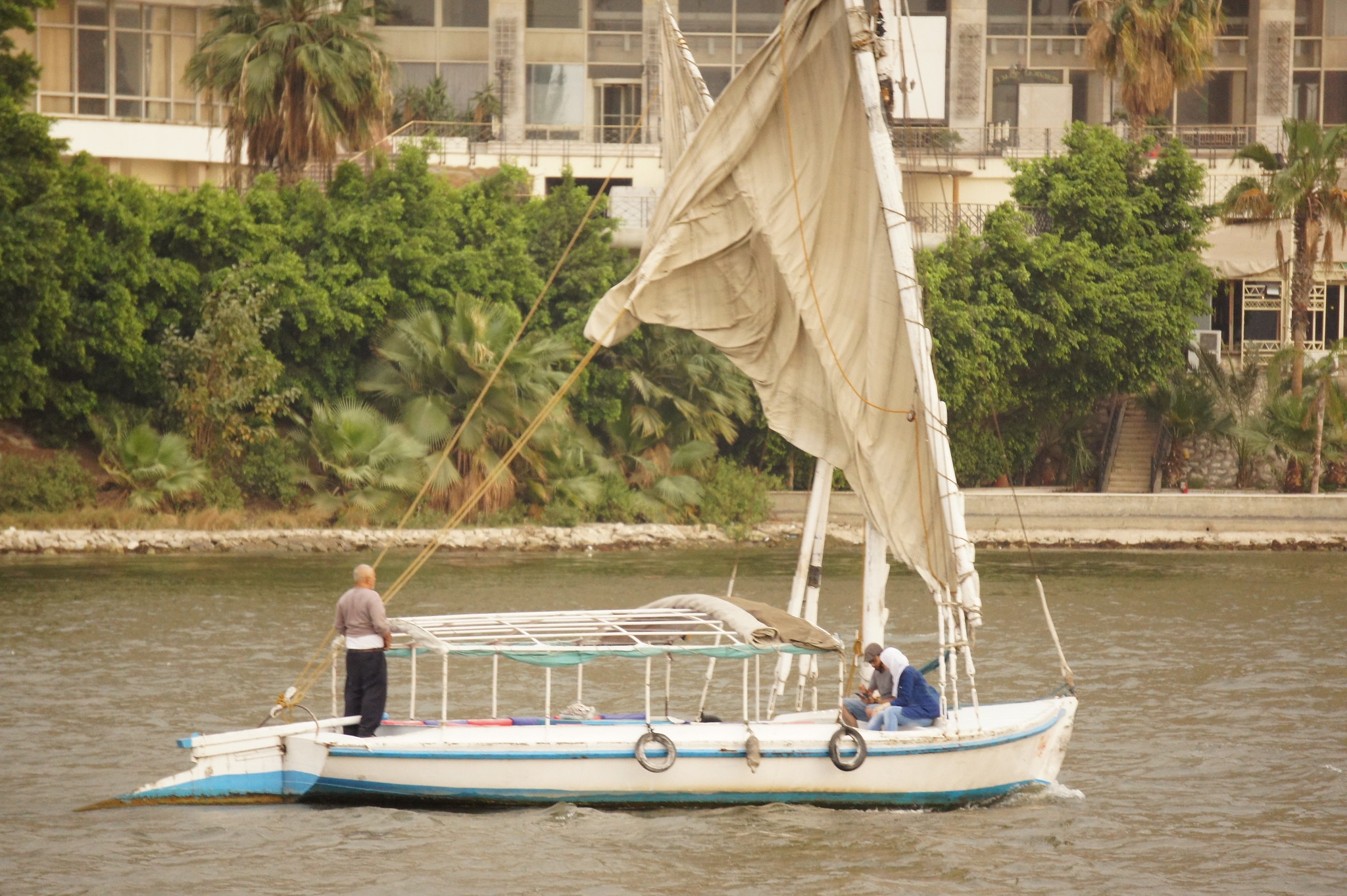
Beyond the blockbuster sites, Luxor offers an intimacy that Cairo cannot. The city is compact enough to cover on a bicycle or in a single felucca ride at sunset. The West Bank villages of Gurna have sheltered generations of families who grew up literally above royal tombs, and their descendants now run warm, family-owned guesthouses and serve kushari and grilled fish beside the Nile.

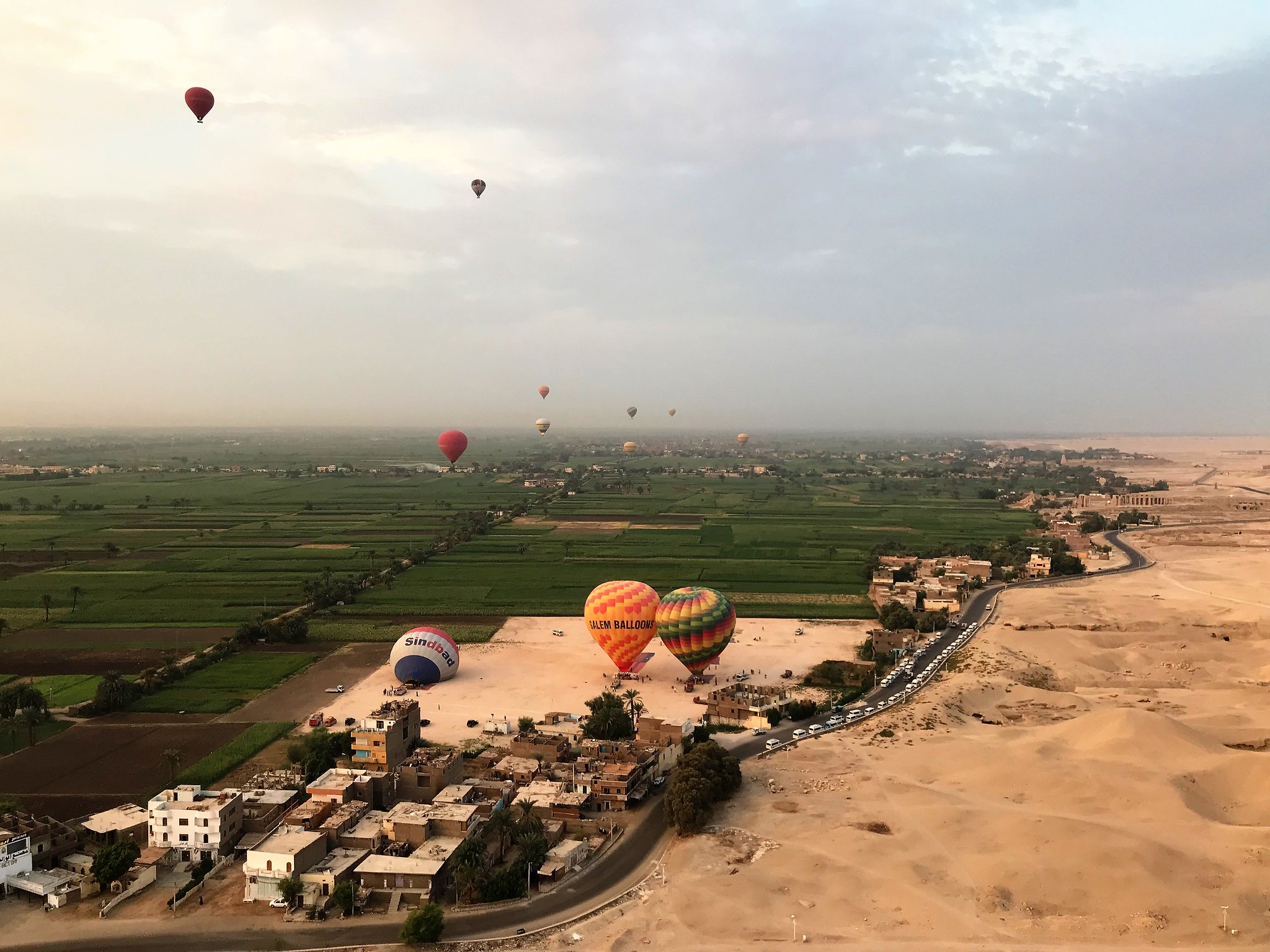
For the adventurous, a hot-air balloon at dawn over the Valley of the Kings — the pale cliffs blushing pink as the sun rises — is one of Africa's most spectacular travel experiences. For the scholarly, Luxor Museum's precision-curated New Kingdom artefacts rival anything in Cairo. And for those who simply want to slow down, a Nile cruise departing from Luxor to Aswan, gliding past sugar-cane fields and sandstone temples, is the most romantic journey in Egypt.
  • Explore the Valley of the Kings — resting place of Tutankhamun, Ramesses II, and 60+ royal tombs
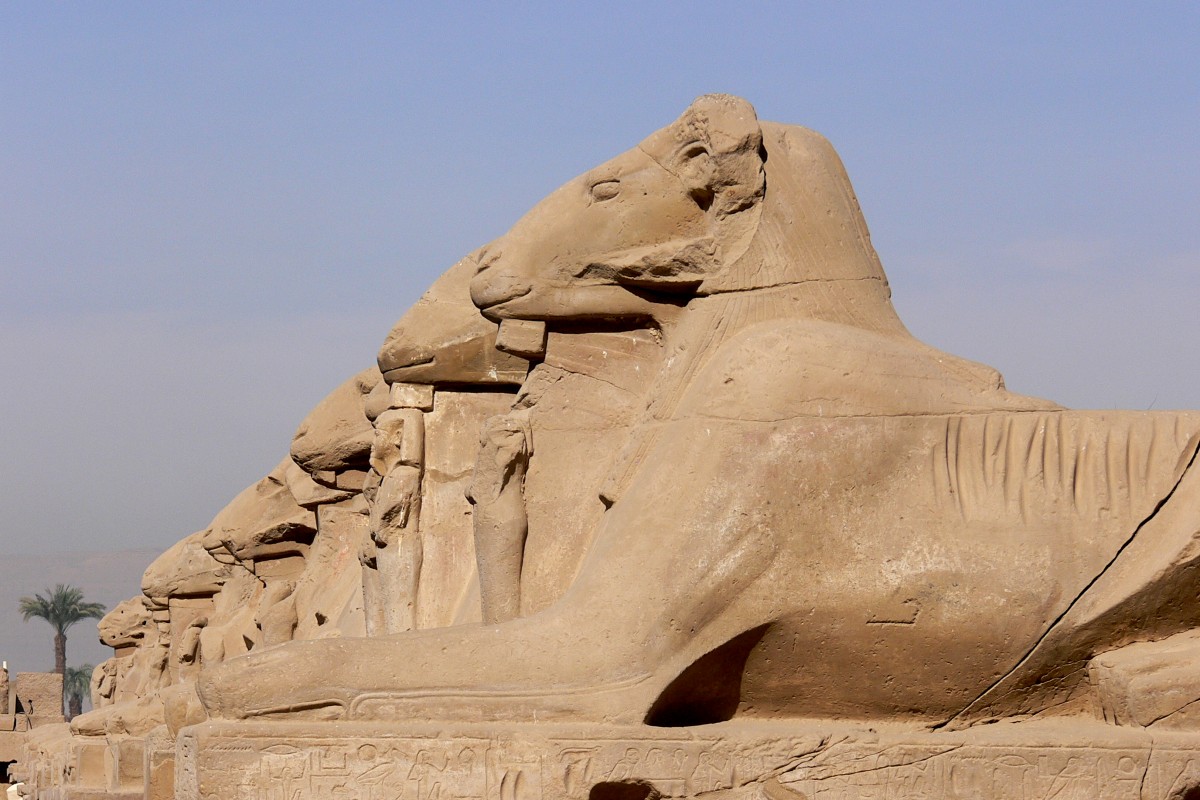
  • Walk the Avenue of Sphinxes linking Luxor Temple to Karnak — 3 km of ancient processional grandeur
  • Drift over the West Bank in a hot-air balloon at sunrise for an unforgettable aerial panorama
  • Cruise the Nile south to Aswan past Edfu and Kom Ombo, two of Egypt's best-preserved temples
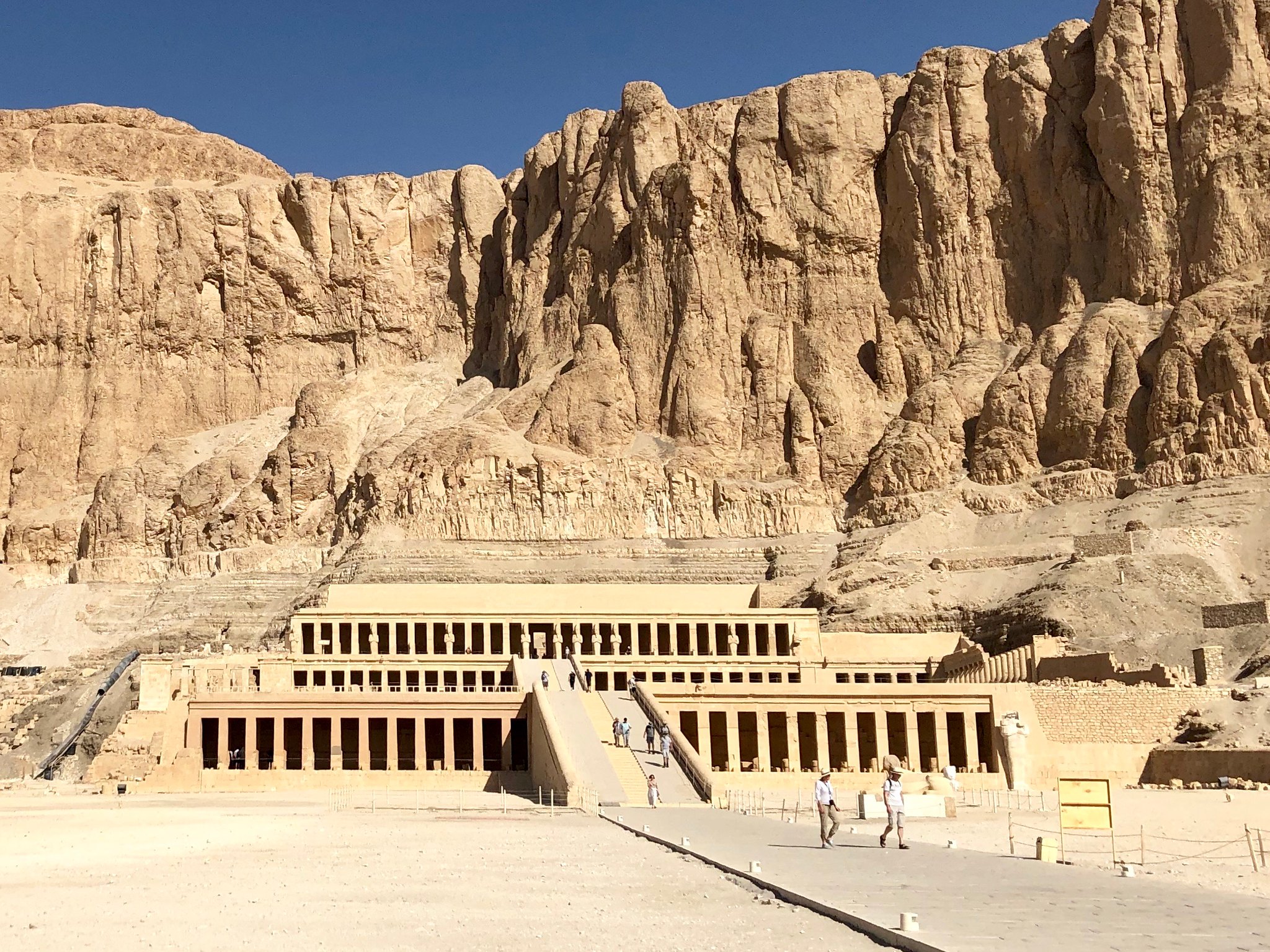
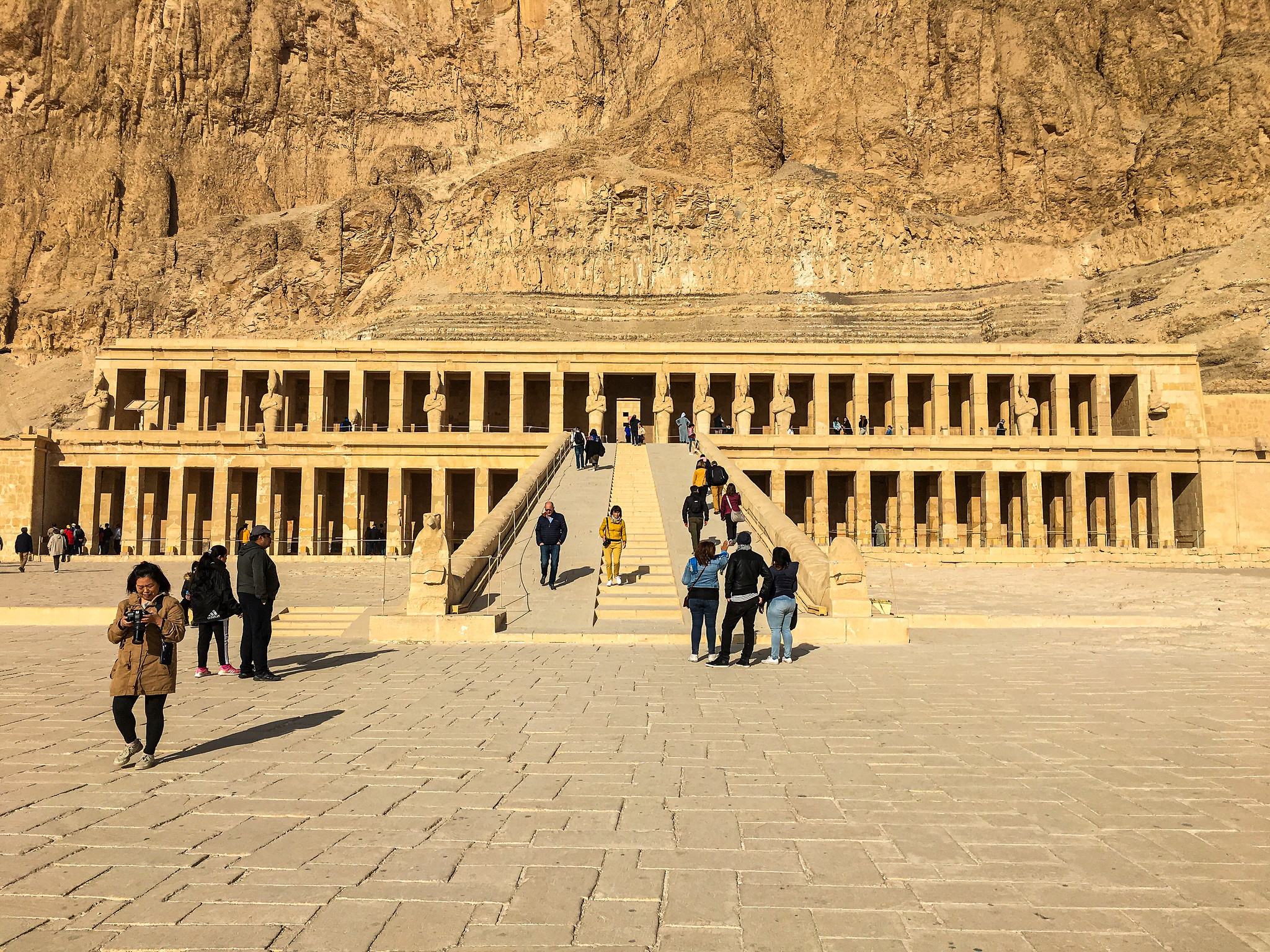
  • Visit Hatshepsut's mortuary temple — a masterpiece of New Kingdom architecture at the foot of golden cliffs
  • Discover Luxor Museum's world-class collection of New Kingdom statuary and royal artefacts
  • Sail a traditional felucca at sunset and watch the West Bank cliffs turn amber and rose
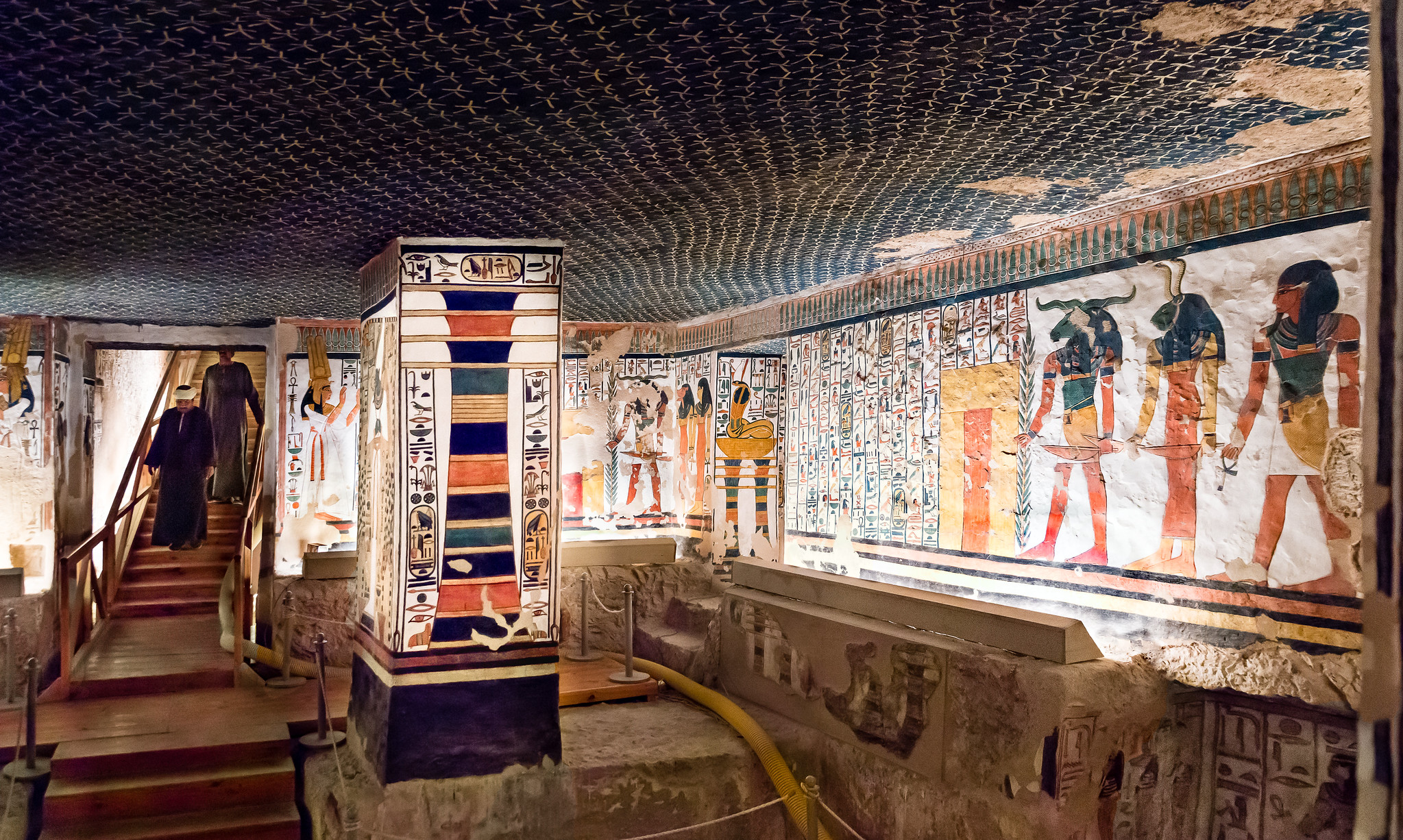
  • Step inside the Tomb of Nefertari in the Valley of the Queens — the most beautifully painted tomb in Egypt

Best for

History lovers, archaeology enthusiasts, Nile cruisers, hot-air balloon adventurers, photographers, and anyone seeking a profound encounter with the ancient world.

Trip style

Cultural immersion, heritage touring, Nile cruising, slow travel

Known for

Valley of the Kings, Karnak Temple, Luxor Temple, hot-air ballooning, Nile felucca rides

Quick facts

Best time to visit

October to April — cooler temperatures (20–30 °C) make sightseeing comfortable. Summer (June–August) can exceed 45 °C; visits are possible but demanding.

Currency

Egyptian Pound (EGP). USD and EUR widely accepted at hotels and tourist sites.

Languages

Arabic (official); English widely spoken in the tourist industry.

Visa summary

Most nationalities can obtain a 30-day e-Visa online before travel, or a visa on arrival at Cairo, Luxor, and Hurghada airports. Single-entry costs approx. USD 25.

Flight time from Nairobi

Approximately 4–5 hours (often via Cairo); direct charter options available seasonally.

Airport / arrival

Luxor International Airport (LXR) is 7 km east of the city centre. Taxis and hotel transfers are the main transfer options. The airport handles both domestic and international flights.

Safety note

Luxor is one of Egypt's most visited and safest tourist cities. Tourist police are present at all major sites. Standard travel precautions apply; always buy entry tickets through official counters.

Visa and entry

Look up entry rules by passport for travel to Egypt on the Tsavaro visa checker.

Check visa requirements for Egypt

Things to do

Valley of the KingsHeritage & History

Valley of the Kings

Half day (3–4 hours)

Descend into the richly decorated underground tombs of New Kingdom pharaohs including Tutankhamun, Seti I, and Ramesses VI. The standard ticket grants access to three tombs; additional tickets cover the most lavish chambers. Arrive early to beat the heat and the crowds.

Karnak Temple ComplexHeritage & History

Karnak Temple Complex

Half day (3–4 hours)

The largest religious building ever constructed, Karnak was added to by successive pharaohs over 2,000 years. The Great Hypostyle Hall — 134 papyrus-form columns spread across 5,000 sq m — is one of the most breathtaking spaces in the ancient world. The Sound & Light Show at night brings the precinct to atmospheric life.

Luxor TempleHeritage & History

Luxor Temple

2 hours

Right in the heart of the city, this elegant New Kingdom temple was built by Amenhotep III and enlarged by Ramesses II. Visit at dusk when the floodlights turn the sandstone golden and the atmosphere becomes almost mystical. The Avenue of Sphinxes leads north from here all the way to Karnak.

Hot-Air Balloon at SunriseAdventure & Experiences

Hot-Air Balloon at Sunrise

2–3 hours (including transfers)

Float above the West Bank as the desert blushes with the first light of day. The Valley of the Kings, the Nile, and the distant Karnak pylons spread below — one of the most iconic sunrise experiences in Africa. Balloon operators depart before dawn from the West Bank and flights last 45–60 minutes.

Hatshepsut's Mortuary Temple (Deir el-Bahari)Heritage & History

Hatshepsut's Mortuary Temple (Deir el-Bahari)

2 hours

Built into the dramatic cliffs of the Theban necropolis, Queen Hatshepsut's three-tiered colonnaded temple is an architectural tour de force. Reliefs inside depict her divine birth and a famous trading expedition to the land of Punt. The setting alone — sheer golden limestone soaring behind the terraces — makes the visit unforgettable.

Nile Felucca Sunset CruiseRelaxation & Scenic

Nile Felucca Sunset Cruise

1–2 hours

Hire a traditional wooden felucca and glide along the Nile as the sun sinks behind the West Bank cliffs. Sailors catch the breeze with triangular white sails while you sit back with mint tea and watch Luxor's skyline dissolve into silhouette. Easily arranged from the Corniche; haggle gently for a fair price.

Valley of the Queens & Tomb of NefertariHeritage & History

Valley of the Queens & Tomb of Nefertari

2–3 hours

The Valley of the Queens contains over 90 tombs, but the jewel is Nefertari's tomb — arguably the most beautiful in all of Egypt, with vivid paintings in almost perfect condition. Visitor numbers are strictly limited, so book your permit in advance through the Supreme Council of Antiquities.

Luxor MuseumCulture & Museums

Luxor Museum

2 hours

A small but exquisitely curated museum on the Nile Corniche showcasing some of the finest New Kingdom sculpture and artefacts ever found, including statues retrieved from the Luxor Temple cachette and items from Tutankhamun's tomb not held in Cairo. A manageable two-hour visit that is never overwhelming.

Medinet Habu — Ramesses III's Mortuary TempleHeritage & History

Medinet Habu — Ramesses III's Mortuary Temple

1.5–2 hours

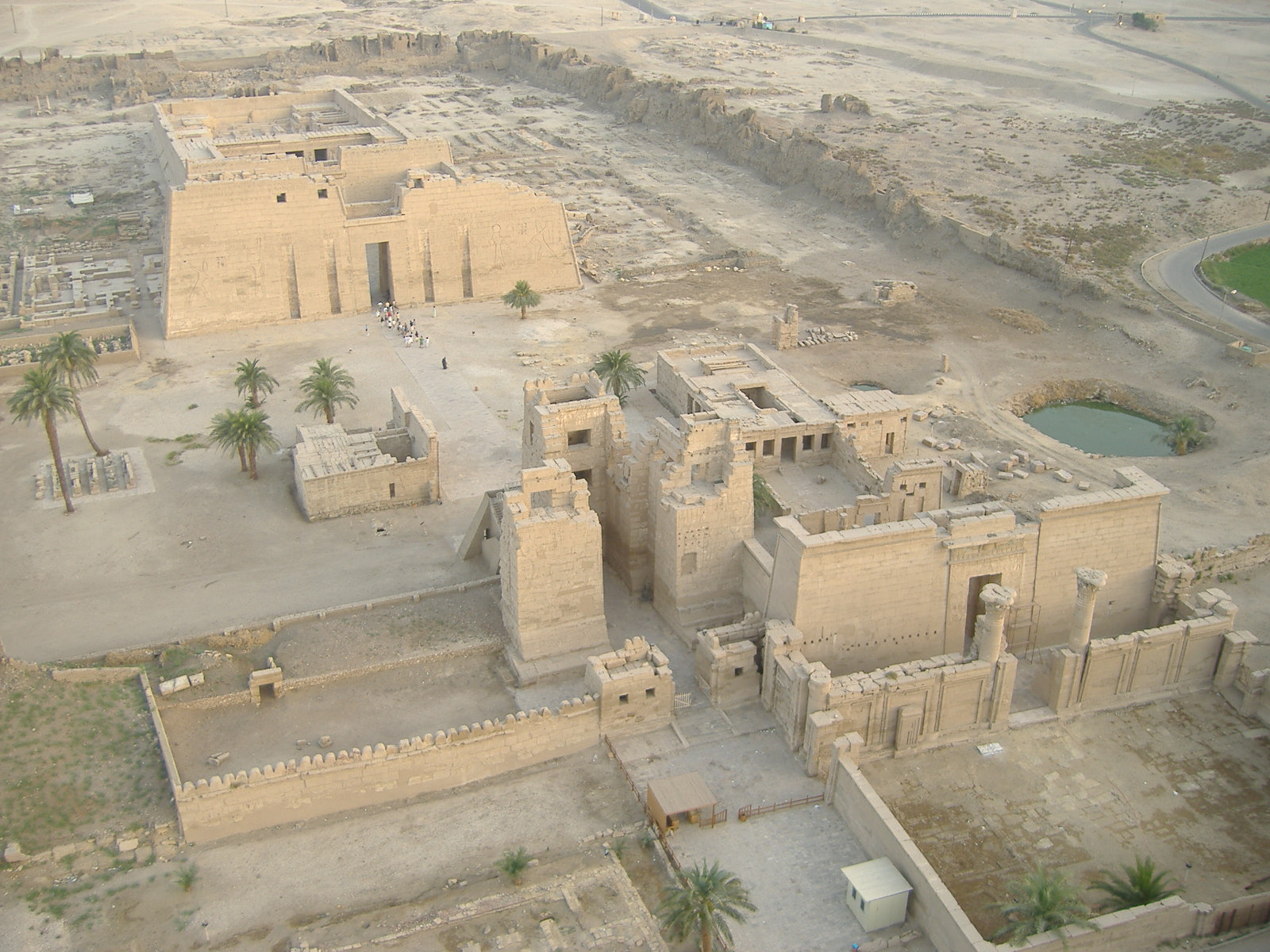
One of the West Bank's most underrated sites, Medinet Habu rivals Karnak in preservation of coloured relief carvings. The battle scenes of Ramesses III against the Sea Peoples are vivid and dramatic. Far fewer tourists than the headline sites mean you can explore in peace.

Luxor Souq & Cooking ExperienceCulture & Food

Luxor Souq & Cooking Experience

Half day

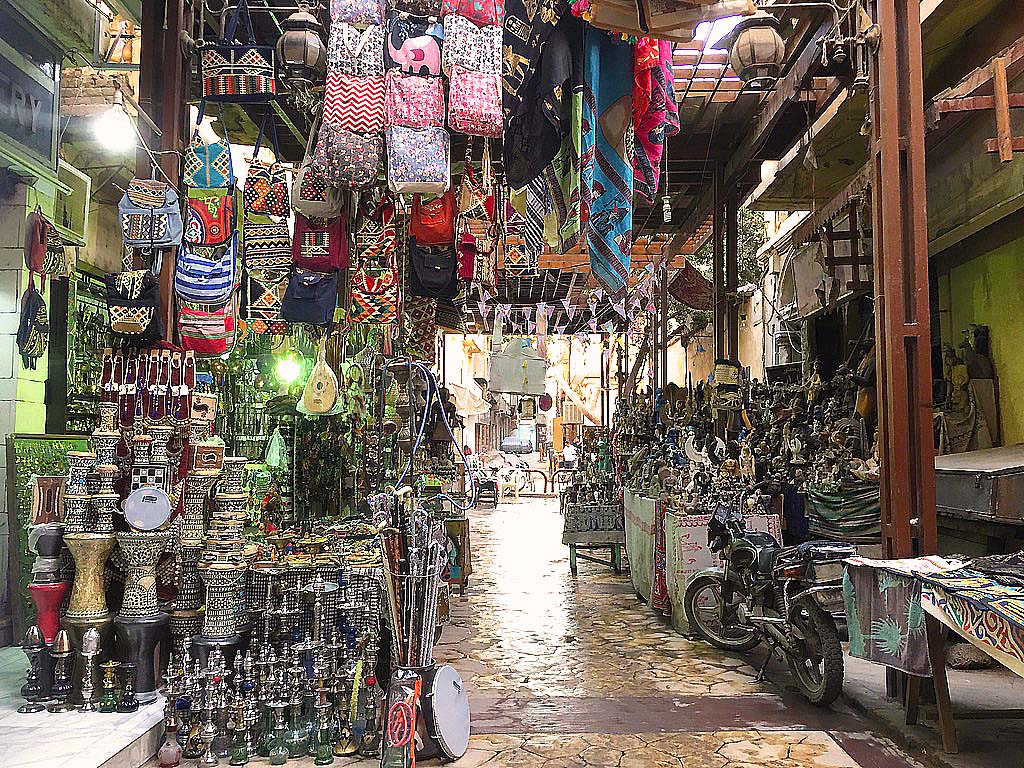
Dive into the covered souq near Luxor Temple for spices, alabaster carvings, cotton gallabiyas, and papyrus. For a deeper cultural encounter, join a local family for a home cooking class and learn to make ful medames, koshari, and Egyptian flatbread before sharing a meal together.

Suggested itinerary

5 Days in Luxor: Pharaohs, Temples & the Nile

Five focused days that take you through the greatest monuments of the ancient world on both banks of the Nile, with time for a Nile cruise day-trip, a sunrise balloon, and an evening of slow travel along the Corniche. Paced to avoid midday heat and maximise the magic of golden-hour light on stone.

Day 1

Arrival & Luxor Temple at Dusk

Arrive at Luxor International Airport and transfer to your East Bank hotel. After settling in, take a gentle orientation walk along the Nile Corniche. As the afternoon cools, visit Luxor Temple — the floodlit evening atmosphere here is enchanting and the crowds thin significantly after 5 pm. Walk the newly excavated Avenue of Sphinxes and dine at a Corniche restaurant with Nile views.

Luxor — Arrival & Luxor Temple at Dusk

Travel essentials

Getting around

The East Bank city centre is walkable or easily covered by caleche (horse-drawn carriage). Taxis and ride-hailing apps (Uber, Careem) are available. For the West Bank, hire a private driver-guide for a half or full day — around EGP 400–700 — or rent a bicycle from the ferry landing for independent exploration. The public ferry crosses from the East Bank landing near the Mummification Museum to the West Bank village of al-Gezira; a motorised tourist boat runs the same route. Organised group tours can be booked at all hotels.

Typical costs

Budget travellers can get by on USD 30–50/day staying in guesthouses, eating local kushari and ful, and using the public ferry. Mid-range visitors spending on comfortable hotels, air-conditioned transport, and a balloon ride should budget USD 100–180/day. Premium Nile cruise packages range from USD 150 to USD 500+ per person per night. Site entry fees: Valley of the Kings standard ticket approx. EGP 560; Karnak EGP 450; Luxor Temple EGP 260; Tomb of Nefertari EGP 2,800 (limited entry). Hot-air balloon: USD 70–130 per person.

Culture and etiquette

Dress modestly at all times, especially at temples (shoulders and knees covered). Remove shoes when requested at mosques. Tipping (baksheesh) is an integral part of the local economy — budget EGP 20–50 for guards who shine torches in tombs. Bargain politely in the souq; the first price quoted is rarely the last. Avoid photographing local people without asking permission first.

Safety and planning

Luxor is a well-policed tourist city with a low serious-crime rate. Tourist police are stationed at major monuments. Avoid walking alone in unfamiliar streets very late at night. Drink only bottled water. The greatest practical risk is heatstroke — carry water at all times, wear a hat, and plan all outdoor sightseeing before noon or after 4 pm in summer months.

Connectivity

SIM cards from Vodafone Egypt, Orange Egypt, or Etisalat can be purchased at the airport or in town for very low cost and provide solid 4G coverage across Luxor city and the main tourist sites. Most hotels and cafés offer free Wi-Fi. The city is well-connected for social media and video calls.

Payments

ATMs are plentiful on the East Bank Corniche and around the souq. Major hotels, upscale restaurants, and tour operators accept Visa and Mastercard. Cash (EGP) is preferred at local restaurants, transport, and market stalls. USD is useful as a backup but exchange rates at official exchange offices or ATMs are generally better than hotel desks.

Luxor travel FAQs

More destinations to explore