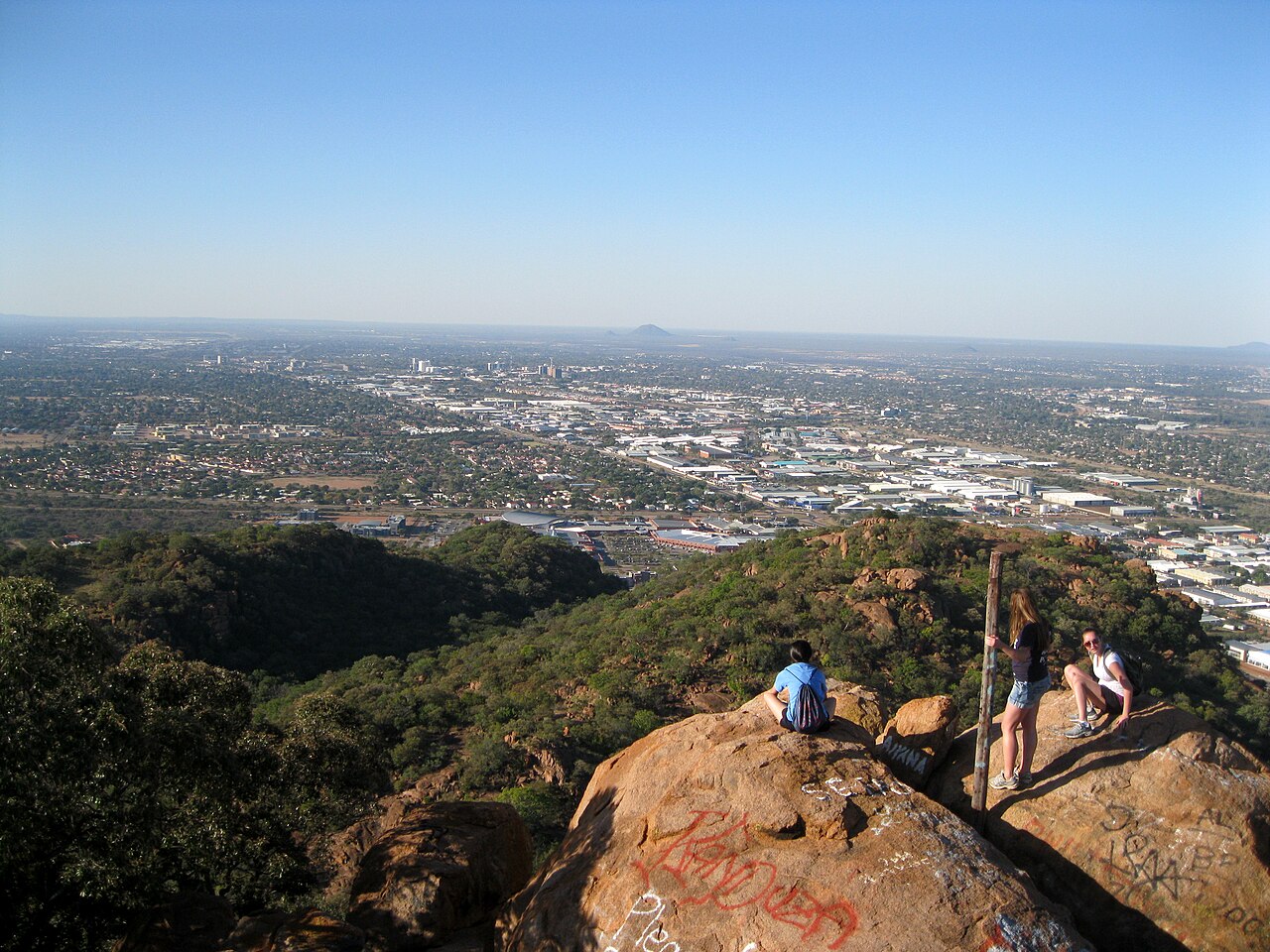
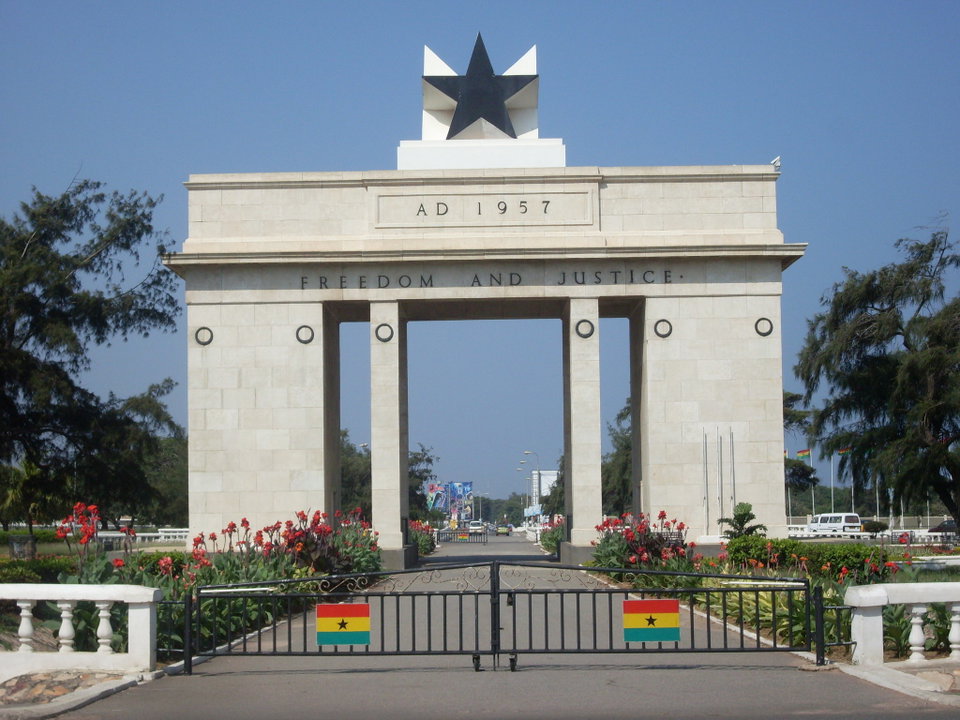
Gaborone city skyline with the Kgale Hill in the background, Botswana

Destination guide

Gaborone

Southern Africa · Botswana

Africa's quiet achiever — a modern, safe capital with wild heart

Best season

May – September (dry, cool winter)

From Nairobi

Approx. 3 hrs 30 min (via Johannesburg or direct charter)

Why visit Gaborone?

Gaborone offers something rare in sub-Saharan Africa: an easy, stress-free urban experience that doubles as a launchpad for extraordinary wilderness. The city has no traffic gridlock, almost no street crime by day, and a cost of living that rewards budget-conscious travellers and luxury seekers alike.

Beyond convenience, Gaborone has genuine character. The National Museum & Art Gallery holds artefacts spanning two million years of human habitation. The Three Dikgosi Monument at Government Enclave celebrates the chiefs who secured Botswana's independence. The buzzing Game City and Riverwalk malls host independent Botswana designers alongside international brands. And after dark, the lounge bars and live-music spots of the Bontleng and Extension 2 neighbourhoods reveal a youthful, creative city in full swing.

For families, Mokolodi Nature Reserve offers guided rhino and giraffe walks — a rare chance to track wildlife on foot within half an hour of a capital city. For history buffs, the Mochudi Phuthadikobo Museum, 40 km north, narrates the story of the Bakgatla people in vivid detail. Gaborone is the kind of place you land expecting to stay two nights and linger for five.

  • Walk among white rhinos and giraffes at Mokolodi Nature Reserve — just 10 km from the city centre
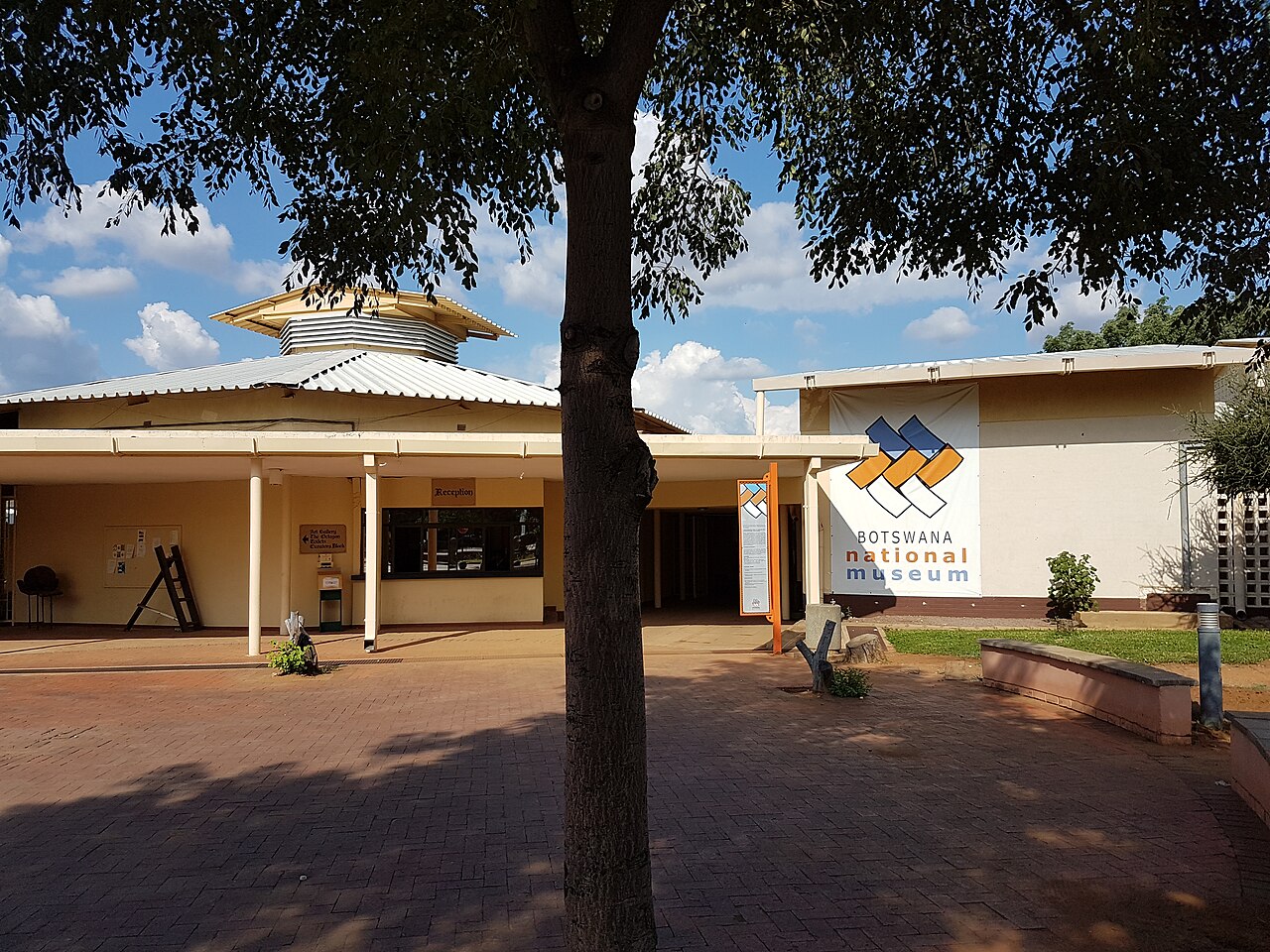
  • Explore two million years of Botswana history at the National Museum & Art Gallery
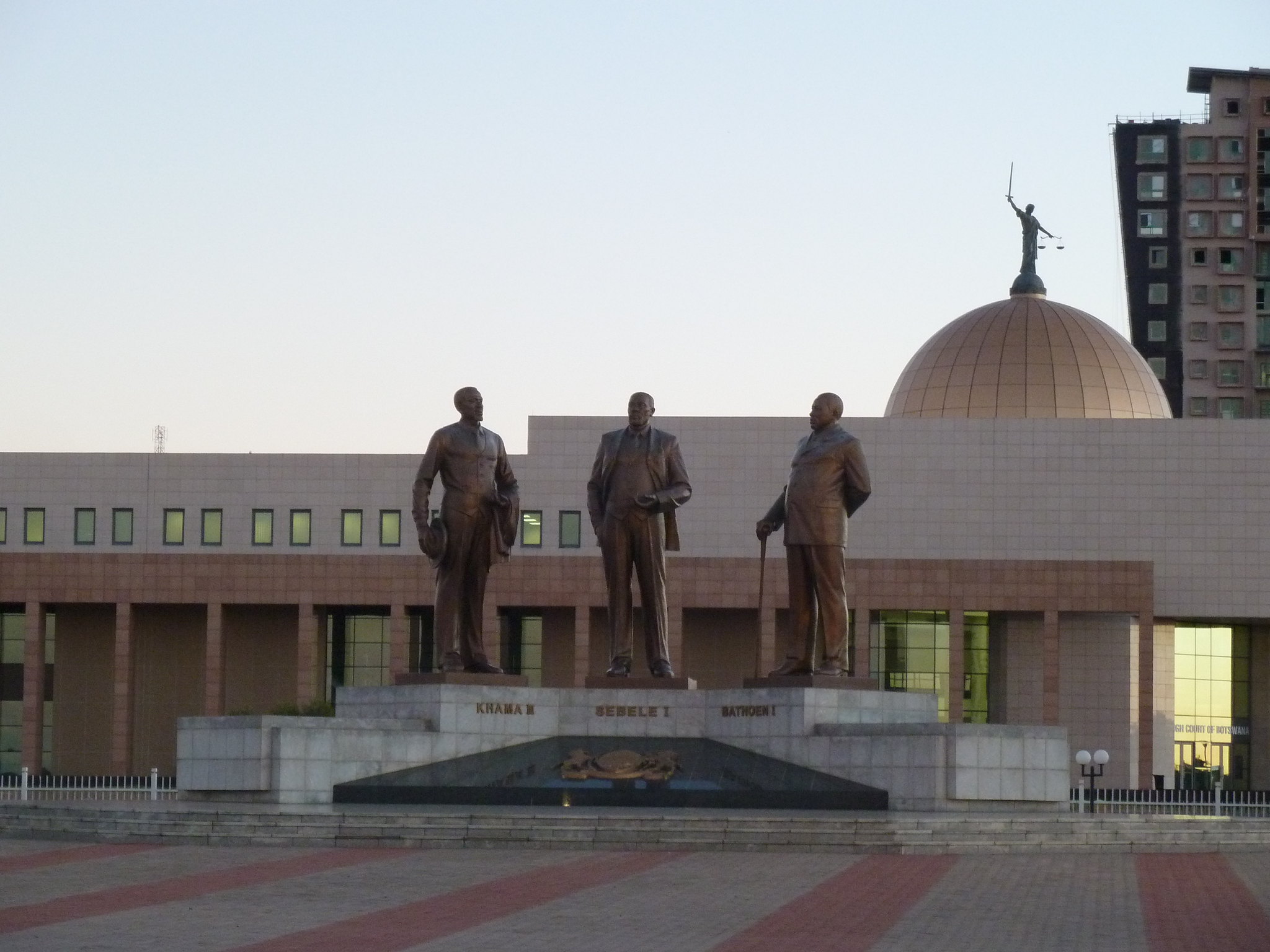
  • Stand at the striking Three Dikgosi Monument, a symbol of Botswana's proud path to independence
  • Hike Kgale Hill for panoramic sunrise views over the capital and the Kalahari horizon
  • Taste seswaa (pounded beef) and bogobe (sorghum porridge) at a local kgotla-style eatery
  • Day-trip to Mochudi — one of Botswana's oldest towns and a living window into Bakgatla heritage

Best for

City breaks, safari stopovers, cultural exploration, family travel, business tourism

Trip style

Urban explorer, wildlife day-tripper, culture seeker

Known for

Safety, modern infrastructure, Setswana culture, proximity to wildlife, diamond economy

Quick facts

Best time to visit

May – September (dry, cool winter)

Currency

Botswana Pula (BWP)

Languages

Setswana, English

Visa summary

Visa-free for most African, EU, UK, US, and Commonwealth passport holders for up to 90 days; check your nationality before travel

Flight time from Nairobi

Approx. 3 hrs 30 min (via Johannesburg or direct charter)

Airport / arrival

Sir Seretse Khama International Airport (GBE) is 15 km north of the city centre; taxis and shuttle services are readily available

Safety note

One of Africa's safest capitals; standard urban precautions apply at night

Visa and entry

Look up entry rules by passport for travel to Botswana on the Tsavaro visa checker.

Check visa requirements for Botswana

Things to do

Mokolodi Nature ReserveWildlife

Mokolodi Nature Reserve

Half day to overnight

A community-owned reserve 10 km south of the city where guided game walks bring you within metres of white rhino, giraffe, zebra, and warthog. Bush camping and lodge stays are available for an overnight experience.

Gaborone Game ReserveWildlife

Gaborone Game Reserve

2–3 hours

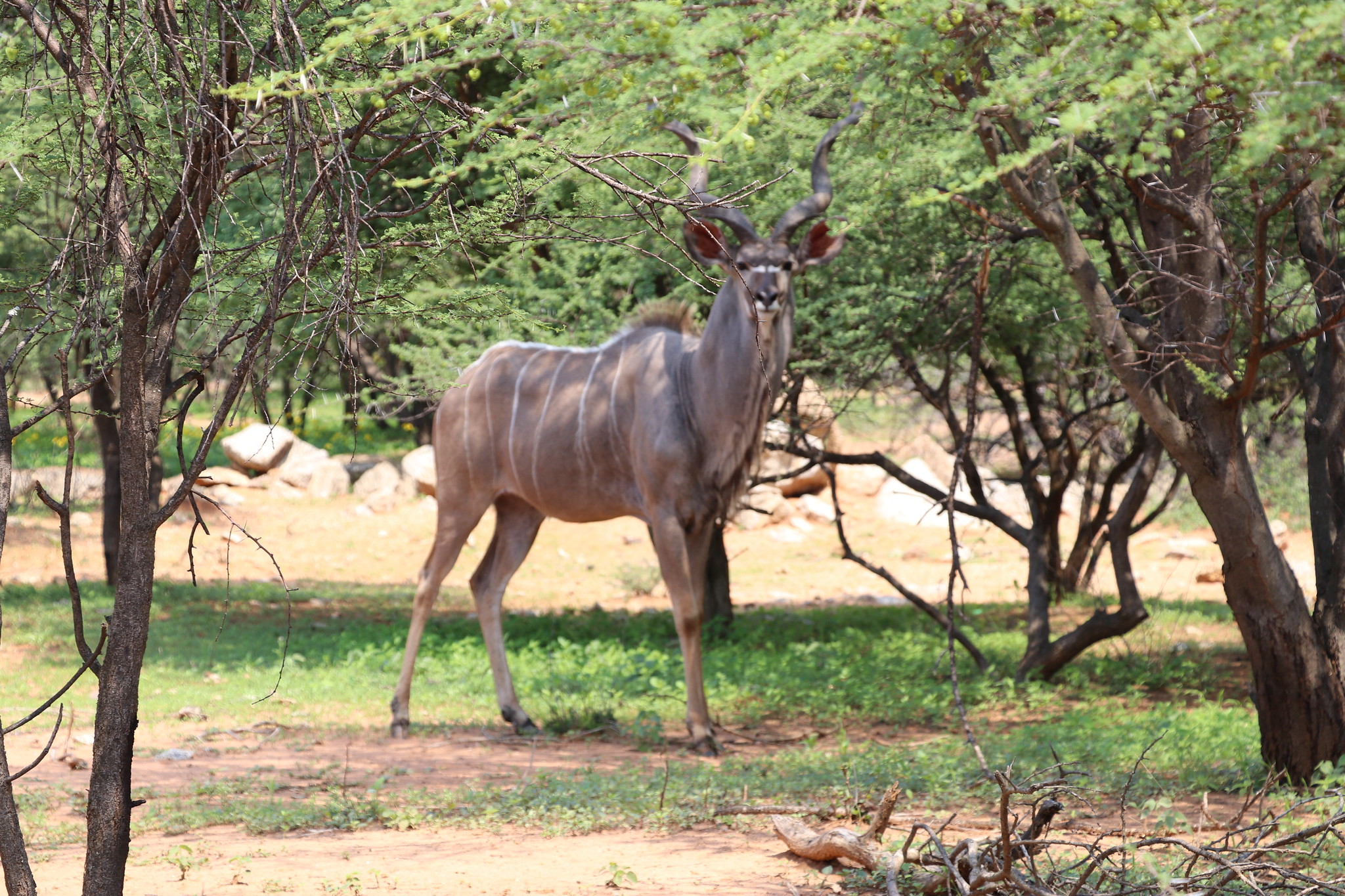
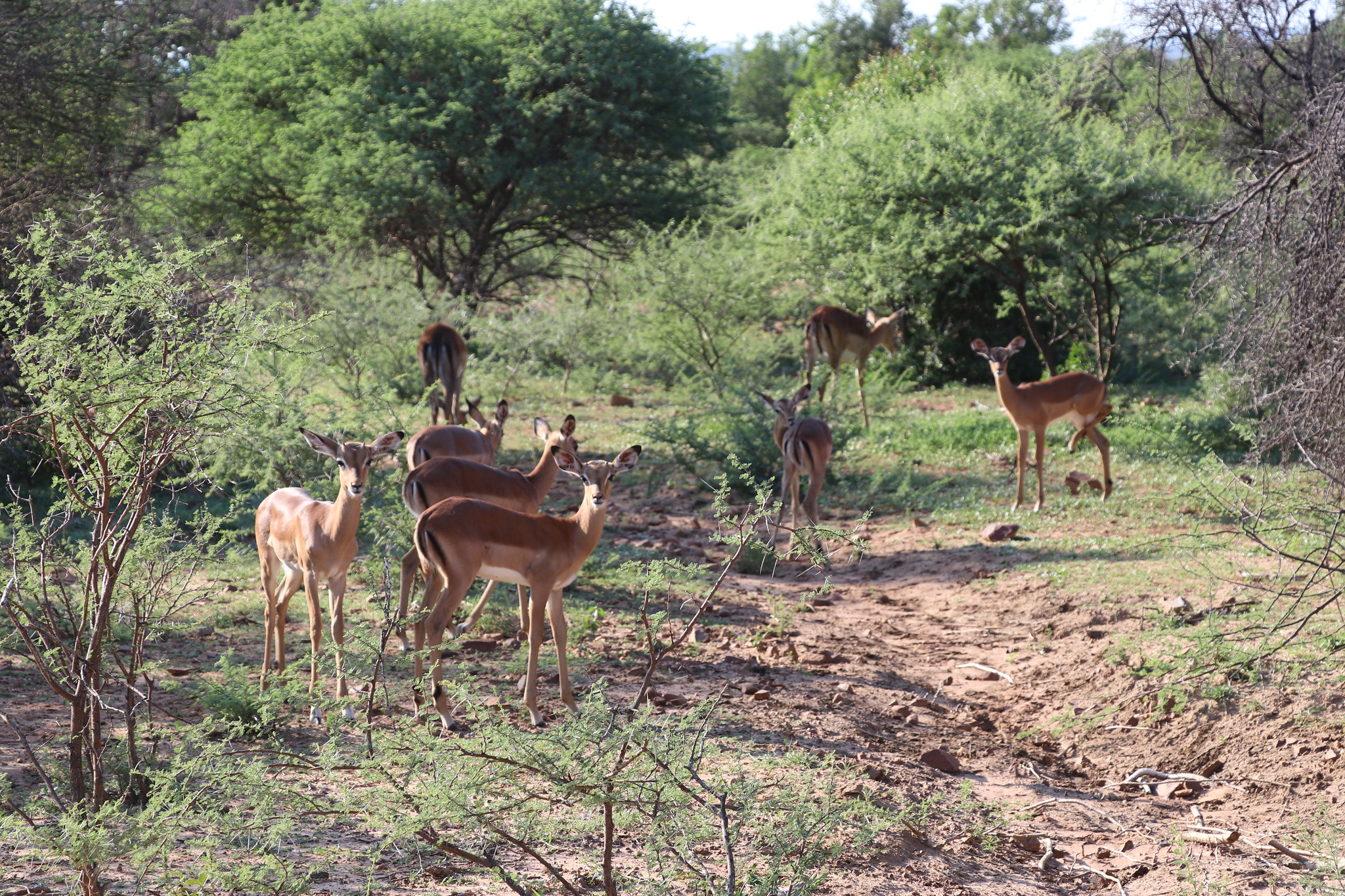
Tucked right inside the city limits, this small but rewarding reserve hosts impala, kudu, zebra, and over 300 bird species along a network of easy walking trails.

National Museum & Art GalleryCulture

National Museum & Art Gallery

2–3 hours

The country's leading cultural institution traces Botswana's human story from the Stone Age through San rock art to contemporary Botswana paintings and sculpture.

Three Dikgosi MonumentHistory

Three Dikgosi Monument

30 minutes

A dramatic bronze sculpture at the Government Enclave honouring Chiefs Sebele I, Bathoen I, and Khama III — the three chiefs who travelled to London in 1895 to preserve the Bechuanaland Protectorate.

Kgale Hill HikeOutdoors

Kgale Hill Hike

2–3 hours

Gaborone's beloved 'Sleeping Giant' offers a rewarding 3-km ascent through rocky bush to a summit with sweeping 360-degree views over the capital and towards the Magaliesberg range in South Africa.

Best time to visit Gaborone

The best time to visit Gaborone is May to September, during Botswana's dry winter season, when days are warm and sunny (20–25 °C), nights are cool (sometimes below 5 °C), and the risk of malaria in the city is negligible.

May–June marks the start of winter: vegetation has thinned after the rains, making wildlife easier to spot at Mokolodi and the Game Reserve, and the air is crisp and clear. July and August are peak months — expect dry, bright weather perfect for hiking Kgale Hill, and note that this is also the busiest period for safari-bound travellers using Gaborone as a base.

September is arguably the best single month: temperatures begin climbing back toward 30 °C, the bush is at its driest (excellent game viewing), and the city hums with activity before the first rains arrive.

October–November marks the 'shoulder' — hot (35 °C+), sometimes dusty, but dramatic thunderstorm light for photographers. December to April is the green season: lush landscapes, migrant birds in abundance, and lower accommodation prices, but afternoon downpours are common and dirt roads in the surrounding region can flood. Mosquito prophylaxis is advisable if you're day-tripping to wetter areas.
Is Gaborone safe to visit?

Yes — Gaborone is generally safe for tourists and is consistently ranked among the safest capital cities in Africa. Botswana's low corruption, strong rule of law, and high GDP per capita create a stable urban environment that most visitors navigate without incident.

Daytime safety is excellent across the central business district, malls, museum precinct, and most residential extensions. Standard precautions apply after dark: avoid poorly lit side streets, use registered taxis or ride-hailing apps (Yango operates in Gaborone) rather than walking long distances at night, and keep phones and valuables out of sight.

The areas around the bus rank and informal markets near the Main Mall attract petty theft; keep bags close in these spots. Mokolodi and Gaborone Game Reserve are professionally managed and entirely safe for solo visitors and families.

Health-wise, Gaborone sits at 1,000 m altitude and is malaria-free; no prophylaxis is required for the city itself. Tap water is generally safe to drink. The city's Princess Marina and Gaborone Private hospitals provide good emergency care. Carry comprehensive travel insurance, as medical evacuation costs in the region can be significant.

Suggested itinerary

Gaborone in 3 Days: City, Culture & Bush

Three days is the perfect window to soak up Gaborone's urban charms, dip into its layered history, and see the wild side of Botswana — all without renting a car.

Day 1

City Foundations & Cultural Highlights

Start at the National Museum & Art Gallery on Independence Avenue to ground yourself in Botswana's remarkable story, from ancient San hunter-gatherers to the modern diamond state. Allow two hours.

Walk ten minutes to the Government Enclave and spend time at the Three Dikgosi Monument — read the plaques, they're worth it. Continue to the nearby Parliament building for a photo stop.

Lunch at Equatorial Restaurant or Sitar for affordable local and international fare. In the afternoon, head to Gaborone Game Reserve for a late-afternoon walk — the light is golden and the birdwatching exceptional. End the day with sundowners and Botswana-style braai at Bull & Bush Pub, a Gaborone institution.

Gaborone — City Foundations & Cultural Highlights

Travel essentials

Getting around

Gaborone is a sprawling, car-friendly city. Registered metered taxis are the most reliable option for short hops; agree on the fare before entering. Yango (the African equivalent of Uber) operates in the city and is the safest option for solo travellers. Combis (minibus taxis) run fixed routes cheaply but can be confusing for first-timers. Car hire is available at the airport from Avis, Budget, and local operators — essential if you plan to day-trip independently.

Typical costs

Gaborone sits at mid-range by African capital standards. Budget guesthouses start at BWP 350–500/night (≈ USD 25–35). A sit-down lunch at a local restaurant costs BWP 80–150 (≈ USD 6–11). Mid-range hotels run BWP 900–1,800/night. A Mokolodi game walk costs approx. BWP 200 per adult. Expect to spend USD 60–120/day on a comfortable independent itinerary.

Culture and etiquette

Botswana society places high value on courtesy and patience — greet shopkeepers and service staff before asking for anything, and always use two hands (or support your right forearm with your left hand) when giving or receiving objects, which signals respect. Dress modestly when visiting government buildings, churches, or kgotla meetings. Photography of people: always ask first. The Setswana greeting 'Dumela' (Doo-MAY-lah) accompanied by a warm handshake opens almost every door.

Connectivity

4G LTE coverage by Mascom and Orange (now BTCL) is excellent across the city. Prepaid SIM cards are available at the airport and all major malls for approximately BWP 10–20; data bundles are affordable. Most mid-range and upscale hotels and cafés offer free WiFi. Co-working spaces such as iHub Gaborone cater to digital nomads.

Payments

Credit and debit cards (Visa and Mastercard) are widely accepted in hotels, restaurants, and malls. ATMs are abundant — use those attached to banks rather than standalone machines. US dollars and South African rand are sometimes accepted but always at a disadvantageous rate; exchange to Pula on arrival at the airport or at Barclays/Standard Chartered branches. Tipping is not mandatory but 10 % is appreciated in restaurants.

Gaborone travel FAQs

More destinations to explore