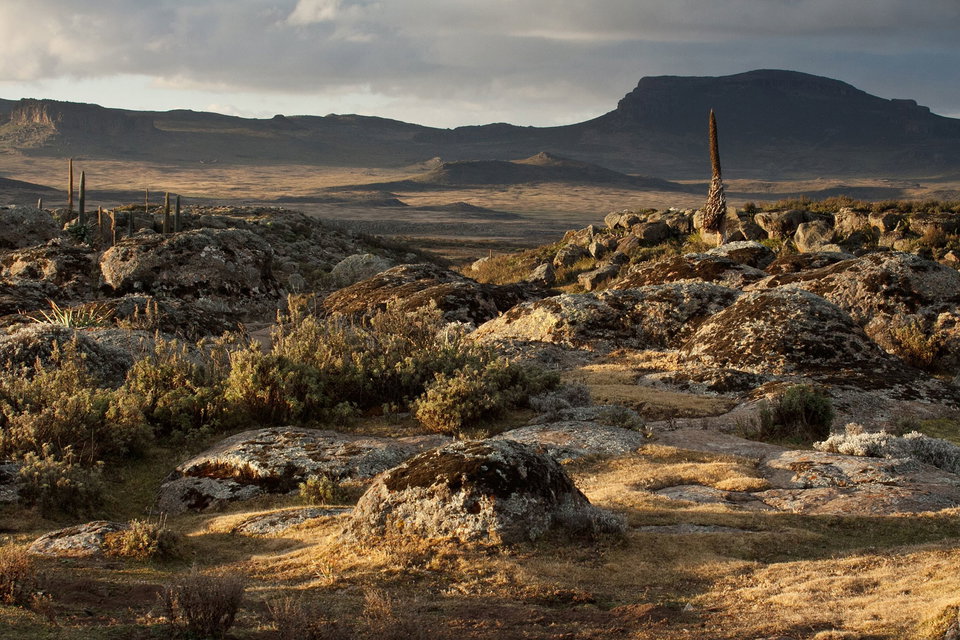
Landscape at Bale Mountains National Park. Photo by Indrik Myneur.
Off the Beaten Path

Wildlife of the Bale Mountains: Beyond the Usual Safari

6 min read
T
TsavaroDecember 20, 2025

While most travelers flock to Kenya's Maasai Mara or Tanzania's Serengeti for their African safari experience, Ethiopia's Bale Mountains National Park offers something entirely different – and arguably more extraordinary. This UNESCO World Heritage site harbors the world's largest population of Ethiopian wolves, Africa's rarest carnivore, alongside endemic species found nowhere else on Earth.


Perched at altitudes reaching 4,377 meters above sea level, the Bale Mountains represent one of Africa's most unique ecosystems. Here, Afroalpine moorlands stretch endlessly under dramatic skies, creating landscapes that feel more like the Scottish Highlands than traditional African savanna. For international travelers seeking authentic, Instagram-worthy experiences beyond the conventional safari circuit, the Bale Mountains deliver unparalleled wildlife encounters in settings of breathtaking beauty.


This comprehensive guide reveals why the Bale Mountains should claim a spot on every adventure traveler's bucket list, offering practical insights for planning your journey to this remarkable corner of Ethiopia.


Wildlife of the Bale Mountains

  1. The Bale Mountains Ecosystem: A World Apart
  2. Endemic Species: Wildlife Found Nowhere Else
  3. Ethiopian Wolf (Canis simensis)
  4. Mountain Nyala (Tragelaphus buxtoni)
  5. Bale Monkey (Chlorocebus djamdjamensis)
  6. Beyond the Big Names: Hidden Wildlife Treasures
  7. Planning Your Bale Mountains Wildlife Experience
  8. Best Times to Visit
  9. Essential Preparation
  10. Sustainable Wildlife Tourism in the Bale Mountains
  11. Cultural Connections: The Oromo People and Wildlife
  12. Photography Tips for Bale Mountains Wildlife
  13. Frequently Asked Questions
  14. Key Takeaways
  15. Plan Your Bale Mountains Adventure with Tsavaro


The Bale Mountains Ecosystem: A World Apart


The Bale Mountains National Park encompasses 2,200 square kilometers of diverse habitats, from dense Harenna Forest to the stark beauty of the Sanetti Plateau. This ecological diversity creates microenvironments that support an extraordinary array of wildlife, many found nowhere else on the planet.


The park's elevation ranges create distinct zones, each supporting different species. The northern grasslands and moorlands provide habitat for the endangered Ethiopian wolf, while the southern Harenna Forest shelters forest-dwelling species like the Bale monkey. The Sanetti Plateau, Africa's largest continuous area above 3,000 meters, offers visitors the surreal experience of wildlife viewing at altitudes typically associated with mountain climbing.


Climate and Seasons: The Bale Mountains experience a temperate climate year-round, with temperatures typically ranging from 5-20Β°C. The dry season generally runs from October to May, offering clearer skies for wildlife viewing and photography. However, weather patterns can be unpredictable at high altitudes – always check current conditions before travel.


Endemic Species: Wildlife Found Nowhere Else


Ethiopian wolf, Oromia, Ethiopia. Photo by David Castor.
Vervet monkey (Chlorocebus pygerythhrus). Photo by Diego Delso.
Mountain nyala (Tragelaphus buxtoni) male, Bale Mountains National Park, Ethiopia. Photo by Sharp Photography.


Ethiopian Wolf (Canis simensis)


The Ethiopian wolf stands as Africa's most endangered carnivore and the world's rarest canid. With fewer than 500 individuals remaining in the wild, approximately 60% of the global population calls the Bale Mountains home. These remarkable animals, more closely related to grey wolves than to African wild dogs, have adapted uniquely to high-altitude life.


Ethiopian wolves primarily hunt giant mole rats, using their slender snouts to extract prey from burrows. Early morning and late afternoon offer the best viewing opportunities, when wolves are most active. The Sanetti Plateau provides excellent sighting chances, particularly around Web Valley.


Mountain Nyala (Tragelaphus buxtoni)


Endemic to Ethiopia's highlands, the mountain nyala represents one of Africa's most beautiful antelope species. These graceful animals, with their distinctive spiral horns and greyish-brown coats, prefer the park's juniper woodlands and heather moorlands. Mountain nyala are generally more approachable than their lowland cousins, making them excellent subjects for wildlife photography.


Bale Monkey (Chlorocebus djamdjamensis)


Found exclusively in Ethiopia's bamboo forests, the Bale monkey inhabits the park's Harenna Forest region. These primates have adapted to life in dense bamboo stands, feeding primarily on bamboo shoots and leaves. Their distinctive calls often echo through the forest, providing audio cues for wildlife enthusiasts seeking encounters.


Beyond the Big Names: Hidden Wildlife Treasures


While endemic species capture headlines, the Bale Mountains support an incredible diversity of wildlife that extends far beyond the famous few. The park hosts over 260 bird species, including several endemics that attract birders from around the world.


Avian Highlights:

  • Spot-breasted lapwing – found only in Ethiopian highlands
  • Blue-winged goose – endemic to Ethiopia
  • Rouget's rail – secretive highland endemic
  • Abyssinian longclaw – distinctive grassland species
  • Lammergeier (bearded vulture) – spectacular high-altitude scavenger


The park's diverse habitats also support numerous mammal species, from tiny shrews to impressive warthogs. Rock hyrax colonies inhabit rocky outcrops, while bushbuck and common duiker browse forest edges. For patient observers, the Bale Mountains reveal wildlife encounters that rival any traditional safari destination.


Planning Your Bale Mountains Wildlife Experience


Best Times to Visit


The dry season, typically October through May, generally offers the most favorable conditions for wildlife viewing. Clear skies provide better photography opportunities, while animals often concentrate around water sources. However, the Bale Mountains can be visited year-round, with each season offering unique advantages.


Early morning hours (6:00-9:00 AM) and late afternoon (4:00-6:00 PM) provide optimal wildlife viewing conditions. Ethiopian wolves are most active during these cooler periods, while many bird species are more vocal and visible.


Essential Preparation


Altitude Considerations: The Sanetti Plateau's elevation exceeds 4,000 meters, potentially causing altitude-related discomfort for some visitors. Allow time for acclimatization, stay hydrated, and consider spending a night at intermediate elevations before ascending to the highest areas.


Weather Preparedness: Mountain weather can change rapidly. Pack layers including warm clothing, waterproof gear, and sun protection. Temperatures can drop significantly, especially at night and during early morning game drives.


Photography Equipment: Bring telephoto lenses for wildlife photography, as animals may maintain distance. The dramatic landscapes also reward wide-angle photography. Extra batteries are essential, as cold temperatures drain power quickly.


Sustainable Wildlife Tourism in the Bale Mountains


The Bale Mountains face conservation challenges including habitat pressure and climate change impacts. Responsible tourism plays a crucial role in supporting conservation efforts while providing economic benefits to local communities.


Choose tour operators committed to sustainable practices, including:

  • Supporting local community employment
  • Contributing to conservation funding
  • Following Leave No Trace principles
  • Respecting wildlife viewing distances
  • Supporting research and monitoring programs


The Ethiopian Wolf Conservation Programme works tirelessly to protect this endangered species through research, community engagement, and habitat protection. Visitor fees directly support these conservation efforts, making your wildlife experience a contribution to species preservation.


Cultural Connections: The Oromo People and Wildlife


The Bale Mountains region is home to the Oromo people, who have coexisted with wildlife for centuries. Traditional grazing practices have shaped the landscape, creating the open grasslands that Ethiopian wolves depend upon. Understanding these cultural connections enriches the wildlife viewing experience.


Local communities serve as guides, sharing traditional ecological knowledge that enhances wildlife encounters. Their intimate understanding of animal behavior patterns, seasonal movements, and habitat preferences provides insights unavailable elsewhere. Engaging with local guides supports community livelihoods while deepening your connection to this remarkable ecosystem.


Bale_Mountains_National_Park_(49851109481).jpg


Photography Tips for Bale Mountains Wildlife


The Bale Mountains offer extraordinary photography opportunities, from intimate wildlife portraits to sweeping landscape vistas. The unique high-altitude light creates dramatic conditions that reward prepared photographers.


Technical Considerations:

  • Use fast shutter speeds for active wildlife
  • Compensate for bright, high-altitude light
  • Capture the golden hour magic at sunrise and sunset
  • Include landscape context in wildlife shots
  • Respect minimum distances from sensitive species


The Ethiopian wolf's striking red coat contrasts beautifully against the moorland backdrop, while mountain nyala's elegant forms complement the park's dramatic landscapes. Patience and respect for wildlife create opportunities for truly memorable images.


Frequently Asked Questions


Key Takeaways

Key takeaways

  • The Bale Mountains harbor Africa's rarest carnivore and numerous endemic species found nowhere else
  • High-altitude ecosystems create unique wildlife viewing opportunities beyond traditional safari experiences
  • Early morning and late afternoon provide optimal conditions for Ethiopian wolf encounters
  • Sustainable tourism directly supports critical conservation efforts for endangered species
  • Cultural connections with local Oromo communities enrich the wildlife experience
  • Proper preparation for altitude and weather conditions ensures safe, enjoyable visits
  • Tsavaro's local expertise ensures authentic, responsible wildlife experiences that benefit conservation


Plan Your Bale Mountains Adventure with Tsavaro


Ready to discover Ethiopia's hidden wildlife treasures? The Bale Mountains offer international travelers an unparalleled opportunity to encounter species found nowhere else on Earth while supporting crucial conservation efforts. From the world's rarest wolves to endemic birds and dramatic high-altitude landscapes, this remarkable ecosystem delivers experiences that will redefine your understanding of African wildlife.


Tsavaro's deep local knowledge and commitment to sustainable tourism ensure your Bale Mountains adventure supports both conservation and community development. Our carefully curated experiences connect you with expert local guides who bring decades of wildlife knowledge and cultural insight to every encounter.


Start planning your Bale Mountains wildlife adventure today. Contact Tsavaro to design a customized itinerary that combines world-class wildlife viewing with authentic cultural experiences, all while contributing to the protection of Africa's most endangered species.


Always verify current visa requirements with official sources. Prices and availability subject to change - check current rates on Tsavaro. Weather patterns are general - check current conditions before travel.