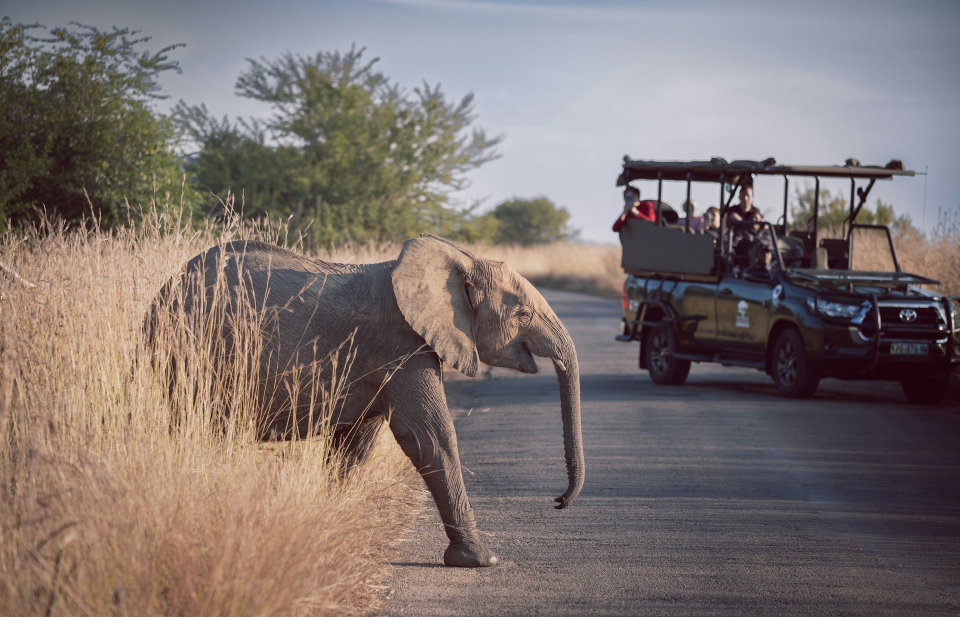
Baby elephant crosses a road at Pilanesberg National Park, South Africa. Photo by Veit Hammer.
Family Holidays

Family Travel in Tanzania: Safari, Spice Islands, and Cultural Roots

8 min read
T
TsavaroDecember 17, 2025

For families in the African diaspora, Tanzania offers more than breathtaking landscapes and incredible wildlife—it provides a profound opportunity to reconnect with the continent's rich heritage while creating lasting memories across generations. From the endless plains of the Serengeti where ancient migration patterns continue unchanged, to the aromatic spice plantations of Zanzibar where Swahili culture flourishes, Tanzania presents a tapestry of experiences that speak to both adventure and ancestry.


This comprehensive guide will help you plan a meaningful family journey through Tanzania, balancing thrilling safari adventures with deep cultural immersion. Whether you're introducing your children to their African heritage or seeking to strengthen family bonds through shared discovery, Tanzania's diverse offerings create the perfect backdrop for multi-generational travel that honors the past while embracing the present.


Family Travel in Tanzania

  1. Planning Your Tanzania Family Heritage Journey
  2. Best Time to Visit for Families
  3. Cultural Preparation and Heritage Context
  4. Safari Adventures: Connecting with Africa's Wildlife Heritage
  5. Serengeti National Park: The Great Migration Experience
  6. Ngorongoro Crater: A Natural Wonder for All Ages
  7. Tarangire National Park: Elephant Encounters and Baobab Trees
  8. Zanzibar: Spice Islands and Swahili Culture
  9. Stone Town: A Living Museum of African Heritage
  10. Spice Farm Experiences: Engaging All the Senses
  11. Beach Time and Water Activities
  12. Cultural Immersion: Authentic Community Connections
  13. Village Visits and Community Tourism
  14. Traditional Crafts and Artisan Workshops
  15. Music and Dance: Rhythms of Heritage
  16. Practical Family Travel Tips for Tanzania
  17. Health and Safety Considerations
  18. Accommodation Options for Families
  19. Transportation and Logistics
  20. Educational Opportunities: Learning Through Travel
  21. Conservation Education
  22. Historical and Archaeological Sites
  23. Language Learning Opportunities
  24. Frequently Asked Questions
  25. Key Takeaways
  26. Plan Your Tanzania Family Heritage Journey with Tsavaro


Planning Your Tanzania Family Heritage Journey


Best Time to Visit for Families

Tanzania's climate varies significantly across regions, making timing crucial for family comfort and wildlife viewing. Generally, the dry season from June to October offers the most predictable weather and optimal game viewing conditions. During this period, animals congregate around water sources, making wildlife spotting easier for children and providing excellent photographic opportunities.


The shoulder seasons of November-December and March-May can offer unique advantages for families, including fewer crowds and lower accommodation rates. However, always verify current weather conditions before travel, as patterns can vary year to year.


Cultural Preparation and Heritage Context


Before embarking on your journey, spend time with your family learning about Tanzania's rich cultural heritage. The country is home to over 120 ethnic groups, each with distinct traditions, languages, and customs. The Maasai, Chagga, Sukuma, and Swahili peoples each contribute to Tanzania's cultural mosaic.


Consider incorporating storytelling sessions about East African history, traditional music listening, or even basic Swahili language lessons into your pre-trip preparation. This foundation will enhance your family's appreciation of the cultural encounters you'll experience during your visit.


Safari Adventures: Connecting with Africa's Wildlife Heritage


Great wildebeest migration crossing Mara river at Serengeti National Park - Tanzania. Photo by Jorge Tung.
Tourists at the Ngorongoro National Park. Photo by Patricia (Trisha) Berberat.
Sunset at Tarangire National Park. Photo by Ray Rui.


Serengeti National Park: The Great Migration Experience


The Serengeti ecosystem represents one of Africa's most iconic wildlife experiences, offering families the chance to witness the Great Migration—a natural phenomenon that has occurred for millennia. This annual movement of over two million wildebeest, zebras, and gazelles follows ancient pathways across the landscape.


For families, the Serengeti provides educational opportunities about conservation, ecosystem balance, and the interconnectedness of all life. Many lodges offer specialized children's programs that combine wildlife viewing with environmental education, helping young travelers understand their role as global citizens and conservation advocates.


When planning your Serengeti experience, consider staying in family-friendly accommodations that offer connecting rooms or family tents. Many lodges provide specialized game drives designed for families, with shorter durations and interactive elements to keep children engaged.


Ngorongoro Crater: A Natural Wonder for All Ages


The Ngorongoro Crater, often called "Africa's Eden," provides an ideal introduction to safari experiences for families. The crater's enclosed nature means wildlife viewing is typically excellent, and the shorter game drives are perfect for younger travelers.


The area also holds significant archaeological importance, with Olduvai Gorge nearby offering insights into human evolution and early African civilizations. This connection to humanity's African origins can be particularly meaningful for diaspora families exploring their ancestral connections.


Tarangire National Park: Elephant Encounters and Baobab Trees


Tarangire National Park offers a more intimate safari experience, famous for its large elephant herds and iconic baobab trees. The park's landscape provides excellent opportunities for families to learn about traditional African folklore, as baobab trees feature prominently in many African stories and legends.


The park's smaller size and concentrated wildlife make it ideal for families with younger children, offering shorter travel distances between sightings and more predictable wildlife encounters.


Zanzibar: Spice Islands and Swahili Culture


A busy street around the markets of Stone Town, Zanzibar, Tanzania. Photo by Aron Marinelli.
An aerial view of a beach in Zanzibar. Photo by Olga Budko.


Stone Town: A Living Museum of African Heritage


Zanzibar's Stone Town represents a unique convergence of African, Arab, Persian, and Indian cultures, creating a living testament to the Indian Ocean's historical trade networks. For diaspora families, Stone Town offers tangible connections to Africa's complex history and its global influence.


Family-friendly walking tours can introduce children to Swahili architecture, traditional crafts, and the island's role in historical trade routes. The narrow streets and bustling markets provide sensory experiences that bring history to life, while local guides share stories that have been passed down through generations.


Always verify current tour availability and safety guidelines, as conditions can change. Many tour operators offer specialized family experiences that balance education with entertainment.


Spice Farm Experiences: Engaging All the Senses


Zanzibar's spice farms offer interactive experiences perfect for families, engaging all the senses while teaching about traditional agriculture and trade. Children can touch, smell, and taste various spices while learning about their historical significance and modern uses.


These visits often include traditional cooking demonstrations, allowing families to participate in preparing local dishes. This hands-on cultural exchange creates lasting memories while fostering appreciation for traditional knowledge and sustainable farming practices.


Beach Time and Water Activities


Zanzibar's pristine beaches provide the perfect balance to active safari days, offering families time to relax and bond. The island's coral reefs support snorkeling and diving activities suitable for various skill levels, introducing children to marine conservation concepts.


Many beach resorts offer family-friendly accommodations with connecting rooms, kids' clubs, and cultural activities. When selecting accommodations, consider properties that incorporate local culture and employ community members, supporting sustainable tourism practices.


Cultural Immersion: Authentic Community Connections


pexels-garycohen-12334810.jpg


Village Visits and Community Tourism


Authentic village visits provide opportunities for meaningful cultural exchange, allowing families to experience traditional daily life and customs. These interactions often include traditional dance performances, craft demonstrations, and storytelling sessions that preserve and share cultural heritage.


When participating in community tourism, choose operators that ensure fair compensation for local communities and respect cultural boundaries. These experiences should be mutually beneficial, providing income for communities while offering genuine cultural learning for visitors.


Traditional Crafts and Artisan Workshops


Tanzania's rich artistic traditions offer families hands-on learning opportunities through craft workshops and artisan visits. From Makonde wood carving to traditional textile weaving, these activities connect children with ancestral skills while supporting local artisans.


Many workshops welcome families and provide age-appropriate activities for children, creating opportunities for cross-cultural learning and artistic expression. These experiences often result in meaningful souvenirs that carry personal significance and support local economies.


Music and Dance: Rhythms of Heritage


Traditional music and dance form integral parts of Tanzanian culture, with each ethnic group maintaining distinct musical traditions. Family-friendly cultural performances provide entertainment while preserving and sharing cultural heritage.


Many lodges and cultural centers offer interactive sessions where families can learn traditional dances or try playing local instruments. These activities create joyful shared experiences while fostering appreciation for African musical traditions.


Practical Family Travel Tips for Tanzania


Health and Safety Considerations


Family travel to Tanzania requires careful health preparation, including consultation with travel medicine specialists well in advance of departure. Generally recommended precautions include malaria prevention measures, routine vaccinations, and travel insurance coverage.


Always verify current health requirements with official sources, as recommendations can change based on seasonal conditions and regional factors. Many family-friendly accommodations provide additional safety measures and can assist with local medical resources if needed.


Accommodation Options for Families


Tanzania offers diverse accommodation options suitable for families, from luxury safari lodges with family tents to beach resorts with kids' clubs. When selecting accommodations, consider factors such as room configurations, meal options, and age-appropriate activities.


Many properties offer specialized family packages that include cultural activities, conservation programs, and educational experiences designed to engage children while providing relaxation for adults.


Transportation and Logistics


Internal transportation in Tanzania typically involves domestic flights for longer distances and road transfers for shorter journeys. When traveling with children, consider flight schedules that minimize disruption to sleep patterns and allow for adequate rest between activities.


Many tour operators offer family-friendly vehicles with additional safety features and comfort amenities. Private transportation often provides more flexibility for families with varying needs and schedules.


Educational Opportunities: Learning Through Travel


Conservation Education


Tanzania's commitment to wildlife conservation provides excellent educational opportunities for families. Many national parks and conservancies offer junior ranger programs, conservation talks, and hands-on learning experiences about ecosystem protection.


These programs help children understand the importance of conservation while connecting them to Africa's natural heritage. Many activities are designed to be age-appropriate and engaging, combining fun with meaningful learning.


Historical and Archaeological Sites


Beyond wildlife and beaches, Tanzania offers significant historical and archaeological sites that provide context for human development and African civilizations. Sites like Olduvai Gorge offer insights into human evolution, while coastal ruins tell stories of ancient trade networks.


Family visits to these sites can be enhanced with age-appropriate guides and educational materials that make complex historical concepts accessible to children while maintaining academic accuracy.


Language Learning Opportunities


Swahili, Tanzania's national language, provides an accessible introduction to African languages for diaspora families. Many lodges and cultural centers offer basic Swahili lessons, and children often enjoy learning greetings and simple phrases.


This language learning creates opportunities for more meaningful interactions with local communities and demonstrates respect for local culture. Simple phrases like "Jambo" (hello) and "Asante" (thank you) can enhance cultural connections throughout your journey.


Frequently Asked Questions


Key Takeaways

Key takeaways

  • Tanzania offers unparalleled opportunities for diaspora families to connect with African heritage through wildlife, culture, and community interactions
  • Careful planning balances adventure activities with cultural immersion and relaxation for all family members
  • Pre-trip cultural preparation enhances appreciation and respect for local customs and traditions
  • Sustainable tourism choices support local communities while providing authentic cultural experiences
  • Educational opportunities abound through conservation programs, historical sites, and language learning
  • Family-friendly accommodations and activities cater to various ages and interests throughout Tanzania
  • Cultural sensitivity and respectful engagement create meaningful connections with local communities


Plan Your Tanzania Family Heritage Journey with Tsavaro


Ready to create lasting memories while connecting your family with Tanzania's incredible wildlife and rich cultural heritage? Tsavaro specializes in crafting authentic African travel experiences that honor both adventure and ancestry.


Our local expertise ensures your family enjoys safe, meaningful, and culturally respectful experiences throughout Tanzania. From carefully selected accommodations that welcome families to knowledgeable guides who share their cultural insights, we handle every detail so you can focus on creating memories that will last generations.


Discover how Tsavaro can help your family explore Tanzania's safari adventures and cultural treasures. Always verify current prices and availability - check current rates on Tsavaro. Weather patterns are general - check current conditions before travel. Always verify current visa requirements with official sources.


Contact Tsavaro today to begin planning your family's Tanzania heritage journey.