10-Day Kenya Safari and Beach Tour: The Ultimate Wildlife and Coast Adventure
16 min readKenya stands as one of Africa's most diverse destinations, offering travelers the rare opportunity to witness the world's most spectacular wildlife migrations and then unwind on pristine Indian Ocean beaches—all within a single journey. This 10-day Kenya safari and beach combination delivers the complete East African experience, blending the raw majesty of the savanna with the tranquil luxury of coastal life.
Whether you're capturing the perfect wildlife photograph in the Maasai Mara or watching dhows sail past your beach resort in Diani, this carefully crafted itinerary maximizes every moment of your Kenyan adventure. For travelers seeking both adrenaline and relaxation, Kenya's unique geography makes it possible to transition from game drives to ocean swims in less than a day's travel.
10-Day Kenya Safari and Beach Tour
- Why Combine Safari and Beach in Kenya
- Planning Your 10-Day Kenya Safari and Beach Adventure
- Best Time to Visit
- Budget Considerations
- Essential Travel Requirements
- Day-by-Day Kenya Safari and Beach Itinerary
- Days 1-2: Arrival and Nairobi
- Days 3-5: Maasai Mara National Reserve
- Days 6-7: Amboseli National Park or Lake Nakuru (Optional Extension)
- Amboseli National Park
- Lake Nakuru National Park
- Days 8-10: Diani Beach and the Kenyan Coast
- Alternative Coastal Destinations
- Accommodation Options Throughout Your Journey
- Practical Tips for Your Kenya Safari and Beach Combination
- Packing Essentials
- Health and Safety
- Responsible Travel Practices
- Photography Tips
- Communication and Connectivity
- Extending Your Kenya Adventure
- Additional Safari Destinations
- Mountain and Highlands
- Lake Victoria
- Booking Your Kenya Safari and Beach Tour Through Tsavaro
- Frequently Asked Questions
- Key Takeaways
- Start Planning Your Kenya Safari and Beach Adventure

Why Combine Safari and Beach in Kenya
Kenya's appeal lies in its remarkable diversity compressed into a manageable travel circuit. The country's well-developed tourism infrastructure connects its world-renowned national parks with its stunning coastline, making multi-experience trips both practical and rewarding.
The Geographic Advantage
Kenya's layout favors combination trips. Most safaris begin in or near Nairobi, with the country's premier wildlife reserves accessible within a few hours by road or short domestic flight. The coastal region, centered around Mombasa, sits just over an hour away by air, creating seamless safari-to-beach transitions that other African destinations struggle to match.
This geographic convenience means you can witness a lion pride at dawn in the Maasai Mara and be watching sunset over the Indian Ocean the following evening—without the exhausting travel that often accompanies multi-destination African itineraries.
Contrasting Ecosystems
The journey from savanna to coast showcases Kenya's environmental diversity. The Great Rift Valley's sweeping grasslands give way to acacia-dotted plains, which eventually transition to the palm-lined shores of the Swahili Coast. Each ecosystem supports distinct wildlife communities and offers different photographic and experiential opportunities.
Cultural Richness
A 10-day Kenya itinerary also provides time to engage with the country's cultural heritage. From Maasai communities near the reserves to Swahili coastal towns with centuries of maritime history, Kenya offers cultural depth that extends well beyond wildlife viewing. This combination of natural and cultural experiences creates a more complete understanding of East Africa.
Planning Your 10-Day Kenya Safari and Beach Adventure
Best Time to Visit
Kenya's safari and beach combination works year-round, though timing affects both wildlife viewing and coastal weather conditions. Generally, the dry seasons offer optimal safari conditions while the coast remains pleasant throughout most of the year.
The Great Migration typically passes through the Maasai Mara from July to October, creating exceptional wildlife viewing opportunities during these months. However, the green season (November to May) offers its own advantages, including fewer tourists, lush landscapes, and lower accommodation rates.
Always verify current visa requirements with official sources before booking, as visa policies and processing procedures can change.
Budget Considerations
A 10-day Kenya safari and beach tour typically requires careful budget planning. Safari accommodations range from basic tented camps to luxury lodges, while coastal options span from boutique beach hotels to all-inclusive resorts.
Prices and availability are subject to change—check current rates on Tsavaro for the most accurate pricing for your travel dates.
Most travelers can expect their safari-beach combination to cost anywhere from moderate to premium pricing depending on accommodation choices, included activities, and travel season. Domestic flights between safari regions and the coast typically represent a significant portion of the budget but save considerable travel time compared to overland transfers.
Essential Travel Requirements
International visitors typically need a visa to enter Kenya. Kenya now primarily issues electronic visas (e-Visas) that must be obtained before arrival.
Always verify current visa requirements with official sources, as requirements and fees change periodically. Processing times can vary, so apply well in advance of your travel dates.
Standard travel vaccinations are generally recommended for Kenya travel. Consult with a travel medicine specialist at least 4-6 weeks before departure to discuss recommended vaccinations and malaria prophylaxis, particularly if you're visiting both highlands and coastal regions.


Day-by-Day Kenya Safari and Beach Itinerary
Days 1-2: Arrival and Nairobi
Your Kenya adventure typically begins in Nairobi, East Africa's most connected hub. Most international flights arrive at Jomo Kenyatta International Airport, where you'll handle immigration and customs formalities.
Many travelers choose to spend their first night in Nairobi to recover from long-haul flights and adjust to the time zone. Nairobi sits at approximately 1,660 meters elevation, which some visitors notice during their first day.
If your schedule allows, Nairobi offers several worthwhile half-day activities. The David Sheldrick Wildlife Trust operates an elephant orphanage that's become a popular conservation tourism destination. The Giraffe Centre provides close encounters with endangered Rothschild's giraffes. For those interested in Kenya's history, the Nairobi National Museum offers comprehensive exhibits on the country's natural and cultural heritage.
Weather patterns in Nairobi are generally temperate year-round—check current conditions before travel.
Days 3-5: Maasai Mara National Reserve
The Maasai Mara represents Kenya's most iconic safari destination. This vast reserve forms the northern extension of Tanzania's Serengeti ecosystem and hosts year-round populations of lions, leopards, elephants, buffalo, and numerous other species.
Getting to the Mara
Most travelers reach the Maasai Mara via short domestic flights from Nairobi, typically lasting 45 minutes to an hour depending on which airstrip you're flying to. Several daily flights operate during peak season. Road transfers are also possible but require approximately five to six hours of travel time, depending on road conditions and your final destination within the reserve.
Wildlife Viewing
The Maasai Mara's open grasslands create exceptional game viewing conditions. Unlike heavily forested reserves where wildlife can be difficult to spot, the Mara's savanna ecosystem allows for clear sightlines across vast distances.
Large predator populations make the Mara particularly appealing for photographers and wildlife enthusiasts. Lion prides are frequently observed, often resting in the shade during midday heat or hunting during cooler morning and evening hours. Leopards, though more elusive, appear regularly near riverine forest areas. Cheetahs favor the open plains where they can utilize their remarkable speed.
The Mara River creates one of East Africa's most dramatic wildlife spectacles. During the Great Migration, typically between July and October, vast herds of wildebeest and zebra cross the river, braving strong currents and resident crocodile populations. Even outside migration months, the Mara River supports high wildlife concentrations, as animals come to drink and cool off.
Game Drives
Most lodges and camps include two game drives daily—typically early morning and late afternoon when wildlife is most active. Morning drives often begin before dawn, allowing you to witness the savanna awakening as nocturnal animals return to their dens and diurnal species begin their day.
Evening drives extend into dusk, when predators become increasingly active. Many camps offer sundowner stops, where guests enjoy drinks while watching sunset over the Mara plains—a quintessential safari experience.
Cultural Encounters
Many safari operations offer visits to Maasai communities near the reserve. These cultural experiences provide insight into traditional pastoral lifestyles that have coexisted with wildlife for centuries. Approach these visits with cultural sensitivity, recognizing that they represent both genuine cultural exchange and economic opportunity for local communities.

Days 6-7: Amboseli National Park or Lake Nakuru (Optional Extension)
Depending on your interests and energy levels, some travelers choose to add a second safari destination before heading to the coast. Two popular options include Amboseli National Park and Lake Nakuru National Park.
Amboseli National Park
Amboseli sits in southern Kenya near the Tanzania border. The park is renowned for its large elephant populations and spectacular views of Mount Kilimanjaro, Africa's highest peak. On clear mornings, Kilimanjaro provides a stunning backdrop for wildlife photography, though the mountain is often obscured by clouds by midday.
Weather patterns are general—check current conditions before travel.
The park's varied ecosystems include seasonal swamps, which attract diverse wildlife during dry periods. The contrast between the arid surrounding landscape and these verdant wetlands creates dramatic scenic opportunities.
Lake Nakuru National Park
Lake Nakuru, part of Kenya's Great Rift Valley lake system, offers a different safari experience. The park is known for its birdlife, though flamingo populations fluctuate based on lake conditions. The park also hosts both black and white rhinoceros, making it valuable for visitors hoping to see these endangered species.
The Rift Valley escarpment provides dramatic viewpoints overlooking the lake and surrounding landscape. These vantage points offer excellent photography opportunities, particularly during golden hour.

Days 8-10: Diani Beach and the Kenyan Coast
After the intensity of safari activities, Kenya's coast provides the perfect counterpoint. Diani Beach, located south of Mombasa, represents one of East Africa's premier beach destinations.
Reaching the Coast
Most travelers fly from safari locations directly to Mombasa's Moi International Airport. From there, Diani Beach sits approximately 30 kilometers south, typically requiring 45 minutes to an hour of road travel depending on traffic conditions.
Beach Activities
Diani's white sand beaches stretch for miles along the Indian Ocean. The beach's gentle slope creates safe swimming conditions, while offshore reefs protect the coast from heavy surf. Many accommodations sit directly on the beach, providing immediate ocean access.
The coral reefs near Diani support diverse marine life. Snorkeling trips allow visitors to explore these underwater ecosystems, though specific marine encounters depend on many environmental factors.
Several water sports operators offer activities including kitesurfing, stand-up paddleboarding, and kayaking. Ocean conditions vary seasonally and daily, so activity availability depends on weather and sea state.
Swahili Coast Culture
The Kenyan coast has a distinct cultural identity shaped by centuries of Indian Ocean trade. Swahili architecture, featuring coral stone buildings and intricately carved wooden doors, can be observed in older coastal settlements.
Fort Jesus in Mombasa, a UNESCO World Heritage Site, documents the region's complex history of Portuguese, Arab, and British influence. For travelers interested in cultural and historical context, a day trip to Mombasa provides valuable perspective on the coastal region's maritime heritage.
Dhow Cruises and Sunset Experiences
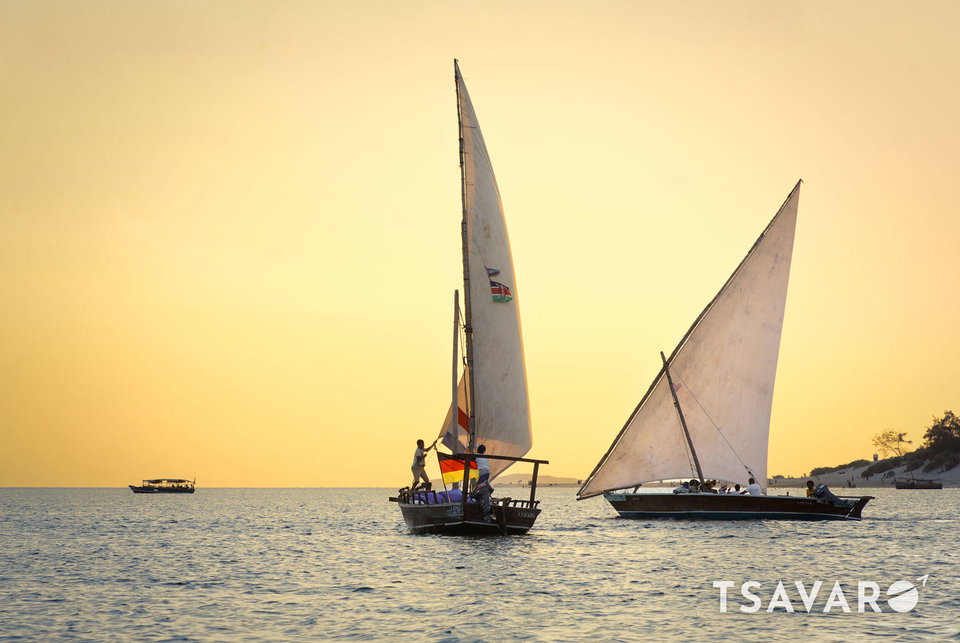
Traditional dhow sailing vessels remain an iconic feature of the Swahili Coast. Many tour operators offer sunset dhow cruises, providing relaxed evening experiences on the water. These cruises often include refreshments and allow you to observe traditional sailing techniques that have changed little over centuries.
Diving Opportunities
For certified divers, the Kenyan coast offers several dive sites. The marine parks near Diani and Watamu feature coral gardens and diverse fish populations. As with any diving destination, conditions vary based on tides, currents, and visibility, which can be affected by seasonal factors.
Alternative Coastal Destinations
While this itinerary focuses on Diani, Kenya's coast offers several other beach destinations worth considering:
Watamu: Located north of Mombasa, Watamu features marine parks and quieter beaches than Diani. The area is known for its conservation initiatives and attracts visitors seeking a more low-key coastal experience.
Lamu: This UNESCO World Heritage island represents one of East Africa's best-preserved Swahili settlements. Lamu's car-free streets and traditional architecture create an atmosphere distinct from modern coastal resorts. However, reaching Lamu typically requires additional flights and may not fit easily into a standard 10-day itinerary.
Malindi: Another historic coastal town, Malindi combines beach tourism with cultural heritage sites. Vasco da Gama's pillar and various historical monuments reflect the town's significance in Indian Ocean trade routes.
Accommodation Options Throughout Your Journey
Kenya's well-developed tourism sector offers accommodations spanning all budget levels and comfort preferences. Your choice of lodging significantly affects both your experience and your overall budget.
Safari Lodges and Camps
In the Maasai Mara and other safari destinations, accommodation styles range from simple tented camps to luxury lodges. All options prioritize positioning for optimal wildlife viewing and typically include meals and game drives in their rates.
Permanent tented camps offer a middle ground between basic camping and lodge luxury. These camps feature comfortable beds, en-suite bathrooms, and often electricity, while maintaining the immersive experience of sleeping under canvas. The sound of nocturnal animals near your tent creates an authentic safari atmosphere that solid-walled buildings cannot replicate.
Luxury lodges provide high-end amenities including swimming pools, spa services, and gourmet dining. These properties often occupy prime locations with spectacular views and may offer additional services like bush breakfasts, night drives, or walking safaris.
Coastal Accommodations
The beach portion of your journey offers equally diverse accommodation choices. Diani and other coastal areas feature everything from backpacker-friendly guesthouses to five-star beach resorts.
Many coastal properties operate on an all-inclusive or half-board basis, simplifying budgeting for this portion of your trip. When comparing options, consider whether you prefer an all-inclusive resort where all meals and many activities are included, or a more flexible arrangement allowing you to explore local restaurants and independently booked excursions.
Prices and availability are subject to change—check current rates on Tsavaro for specific properties and your travel dates.
Practical Tips for Your Kenya Safari and Beach Combination
Packing Essentials
Successfully packing for a safari-beach combination requires balancing two distinct environments. Safari sections demand practical clothing in neutral colors suitable for dusty conditions, while beach stays allow for lighter, more casual attire.
Safari Essentials
Neutral-colored clothing (khaki, olive, brown) helps you blend into the environment during game drives. Avoid bright colors and white, which can be visible to wildlife and shows dust readily. Layering is crucial, as early morning game drives can be surprisingly cool, while midday temperatures climb significantly.
A wide-brimmed hat provides essential sun protection during long game drives. Quality sunglasses and sunscreen are non-negotiable—equatorial sun is intense. Binoculars significantly enhance wildlife viewing, allowing you to observe distant animals and birds.
For photographers, the specific equipment you'll need depends on your goals. Wildlife photography generally benefits from longer focal length lenses. Consult with photography specialists about equipment suitable for safari conditions.
Beach Essentials
Beach portions require standard tropical coastal packing: swimwear, lightweight cover-ups, reef-safe sunscreen, and sun protection. If you plan to snorkel, consider bringing your own mask and snorkel for hygiene and comfort, though rental equipment is widely available.
A lightweight rain jacket or umbrella can be useful year-round, as brief rain showers can occur even during drier seasons.
Universal Essentials
Regardless of where you are in Kenya, certain items prove universally useful:
- Power adapter for Kenya (Type G plugs, 240V)
- Insect repellent containing DEET or another effective active ingredient
- Basic first aid supplies and any prescription medications
- Copies of important documents (passport, visa, insurance)
- Reusable water bottle (many lodges provide filtered water)
Health and Safety
Kenya is generally safe for tourists who exercise normal travel cautions. Wildlife reserves have safety protocols designed to protect both visitors and animals. Always follow your guide's instructions, particularly regarding vehicle rules during game drives.
In coastal areas, standard beach safety applies. Pay attention to tide conditions and posted swimming advisories. Some beaches have strong currents during certain tidal states.
Petty theft can occur in tourist areas, as in most destinations worldwide. Use hotel safes for valuables, be aware of your surroundings in crowded areas, and avoid displaying expensive jewelry or equipment unnecessarily.
Responsible Travel Practices
Kenya's tourism sector increasingly emphasizes sustainable and responsible practices. As a visitor, you can support these efforts through your choices and behaviors.
Wildlife Ethics
Maintain appropriate distances from wildlife. While it may be tempting to get the perfect photograph, disturbing animals for photos is both unethical and potentially dangerous. Trust your guide's judgment on safe viewing distances.
Never feed wildlife. Human food can harm animals' health and alter natural behaviors. Animals that become accustomed to human food can become problematic and may ultimately need to be relocated or destroyed.
Environmental Responsibility
Many safari camps and coastal resorts now implement strict environmental policies. Support these efforts by conserving water (particularly important in arid regions), properly disposing of waste, and avoiding single-use plastics when possible.
If you snorkel or dive, be cautious not to touch coral reefs. Coral is a living organism, and physical contact damages these fragile ecosystems.
Cultural Respect
When visiting Maasai communities or other cultural sites, remember that you're entering people's homes and daily lives. Ask permission before photographing individuals, respect any prohibitions on photography in certain areas, and approach cultural differences with curiosity rather than judgment.
Consider purchasing handicrafts directly from artisans when possible, ensuring more of your money supports local communities rather than intermediary sellers.
Photography Tips
Kenya offers extraordinary photographic opportunities from savanna to coast. A few technical considerations can help you capture these moments more effectively.
Wildlife Photography
Early morning and late afternoon provide the best natural light for photography, which conveniently coincides with peak wildlife activity. The harsh midday sun creates strong shadows and washed-out colors that rarely produce compelling images.
For wildlife shots, focus on the animal's eyes. A sharp eye draws viewers into the image and creates connection with the subject. Be patient—wildlife photography often involves long waits for the perfect moment when an animal moves into ideal light or performs an interesting behavior.
Many modern smartphones capture impressive wildlife images, particularly in good light. However, serious wildlife photography typically benefits from dedicated camera equipment with longer lenses.
Landscape and Beach Photography
Kenya's diverse landscapes offer endless compositional opportunities. In the Maasai Mara, acacia trees create iconic silhouettes against dramatic skies. At the coast, dhows and palm trees provide classic tropical imagery.
Consider the rule of thirds when composing landscape shots. Placing the horizon one-third from the top or bottom of the frame often creates more dynamic images than centered horizons.
For beach photography, early morning and late afternoon again provide superior light. Midday beach light tends to be flat and harsh, though it can work for vibrant water color shots when shooting in the right direction.
Communication and Connectivity
Kenya has reasonably good mobile coverage in major tourism areas. International roaming can be expensive, so consider purchasing a local SIM card if you need frequent mobile data access. Several Kenyan mobile operators offer tourist-friendly prepaid data packages.
Many safari lodges and beach resorts provide WiFi, though connection quality varies. Remote safari camps may have limited or no internet access—some travelers appreciate this digital detox, while others prefer to plan accordingly.


Extending Your Kenya Adventure
If your schedule allows more than 10 days, Kenya offers numerous extensions that complement a safari-beach combination.
Additional Safari Destinations
Samburu National Reserve: Located in Kenya's northern regions, Samburu offers a more arid landscape than the Maasai Mara and hosts species rarely seen in southern parks, including Grevy's zebra, reticulated giraffe, and gerenuk.
Tsavo National Parks: Kenya's largest protected area, divided into Tsavo East and Tsavo West, provides vast wilderness experiences with fewer tourists than more famous reserves. The red soil gives Tsavo's elephants a distinctive rusty appearance.
Mountain and Highlands
Mount Kenya: Africa's second-highest peak offers trekking opportunities ranging from day hikes to multi-day summit attempts. The mountain's diverse ecosystems include equatorial forests and alpine zones.
Aberdare National Park: This highland park features lush forests and unusual wildlife viewing opportunities, including the famous Treetops and The Ark lodges where visitors watch wildlife from elevated positions.
Lake Victoria
Kenya's portion of Africa's largest lake provides different ecosystems and cultural experiences. The lakeside region offers birdwatching, fishing, and insights into communities whose lives revolve around this inland sea.
Booking Your Kenya Safari and Beach Tour Through Tsavaro
Planning a multi-destination Kenya journey requires coordinating accommodations, transport, activities, and timing. Tsavaro simplifies this process by connecting you with verified local partners who understand Kenya's tourism landscape.
Our platform allows you to compare options across different accommodation levels, ensuring your Kenya safari and beach adventure aligns with both your dreams and your budget. Whether you're seeking luxury lodges with all inclusive amenities or authentic tented camps that maximize your wildlife encounter time, Tsavaro's local expertise ensures every element of your journey works seamlessly together.
Prices and availability are subject to change—check current rates on Tsavaro for the most accurate information for your preferred travel dates.
Frequently Asked Questions
Key Takeaways
A 10-day Kenya safari and beach combination delivers East Africa's essential experiences in one well-paced journey. The Maasai Mara's world-class wildlife viewing sets the stage, while Kenya's Indian Ocean coast provides the perfect way to conclude your adventure. This pairing showcases Kenya's remarkable diversity—from savanna to coast, wildlife to culture, adventure to relaxation.
Key elements for success
Success in planning your Kenya safari and beach tour lies in understanding these key elements:
- Kenya's compact geography makes safari-beach combinations practical and rewarding, with short domestic flights connecting diverse ecosystems
- The Maasai Mara offers East Africa's most accessible world-class safari experience, with year-round wildlife and the seasonal Great Migration spectacle
- Diani Beach and Kenya's coast provide authentic Swahili cultural experiences alongside classic beach resort relaxation
- Timing affects both wildlife viewing and weather conditions, though Kenya rewards visitors throughout the year
- Working with local experts through platforms like Tsavaro ensures your complex multi-destination journey coordinates seamlessly
Kenya pioneered African safari tourism and continues setting standards for how wildlife conservation and tourism can coexist sustainably. Your 10-day journey contributes to conservation funding and supports local communities whose lands surround protected areas. When you book through Tsavaro, you're connecting with verified partners who understand both Kenya's tourism landscape and their responsibility to preserve it for future generations.
Start Planning Your Kenya Safari and Beach Adventure
Kenya's wildlife and coast await your discovery. Whether you're dreaming of photographing lions against dramatic Mara sunsets, witnessing the Great Migration's power and chaos, or simply unwinding on pristine beaches after days of adventure, this 10-day combination delivers.
Tsavaro connects you with Kenya's most reliable accommodations, experienced guides, and authentic experiences. Our local expertise ensures your safari and beach combination flows seamlessly from arrival to departure, allowing you to focus on the experience rather than logistics.
Explore Kenya safari and beach tour options on Tsavaro today. Compare accommodations from comfortable tented camps to luxury lodges, review itinerary variations that match your interests, and connect with the verified partners who'll make your East African adventure unforgettable.
Your Kenya journey begins here—where Africa books travel.
Disclaimer: Always verify current visa requirements with official sources before booking. Prices and availability are subject to change—check current rates on Tsavaro. Weather patterns are general—check current conditions before travel. Wildlife sightings cannot be guaranteed as animals are wild and free-ranging. Consult with a travel medicine specialist about recommended vaccinations and malaria prophylaxis based on your specific itinerary.