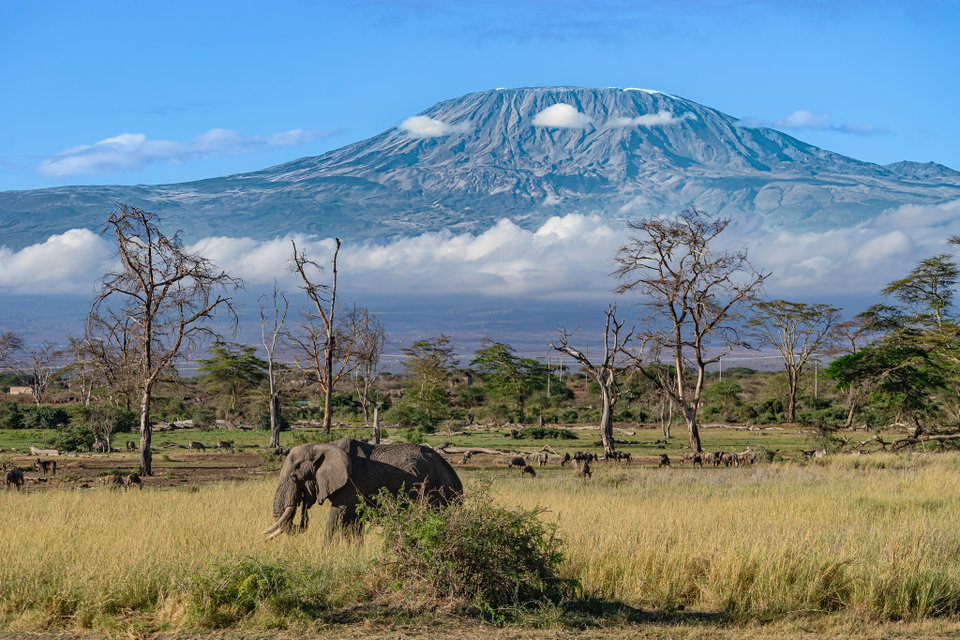
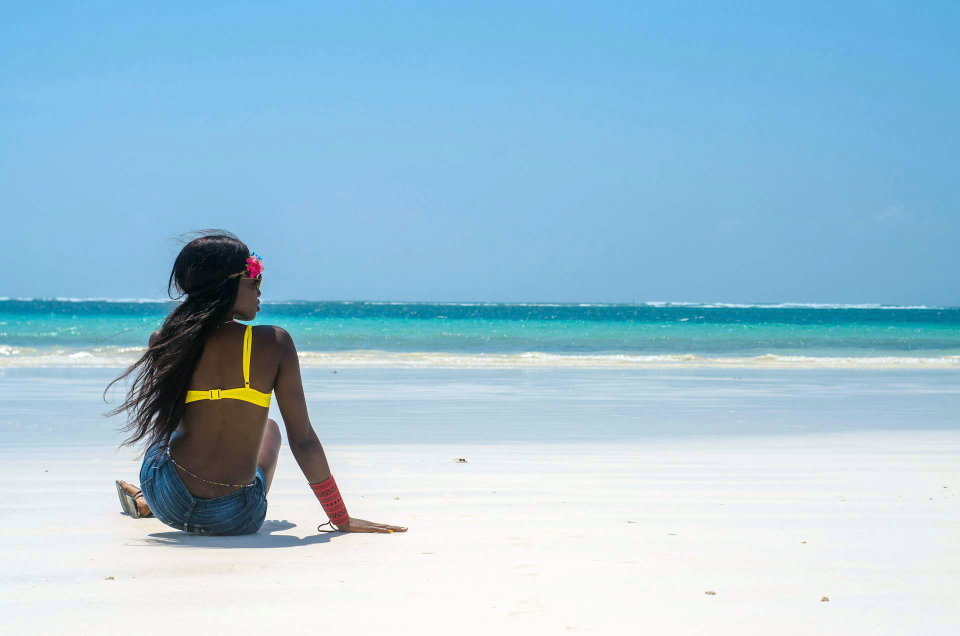
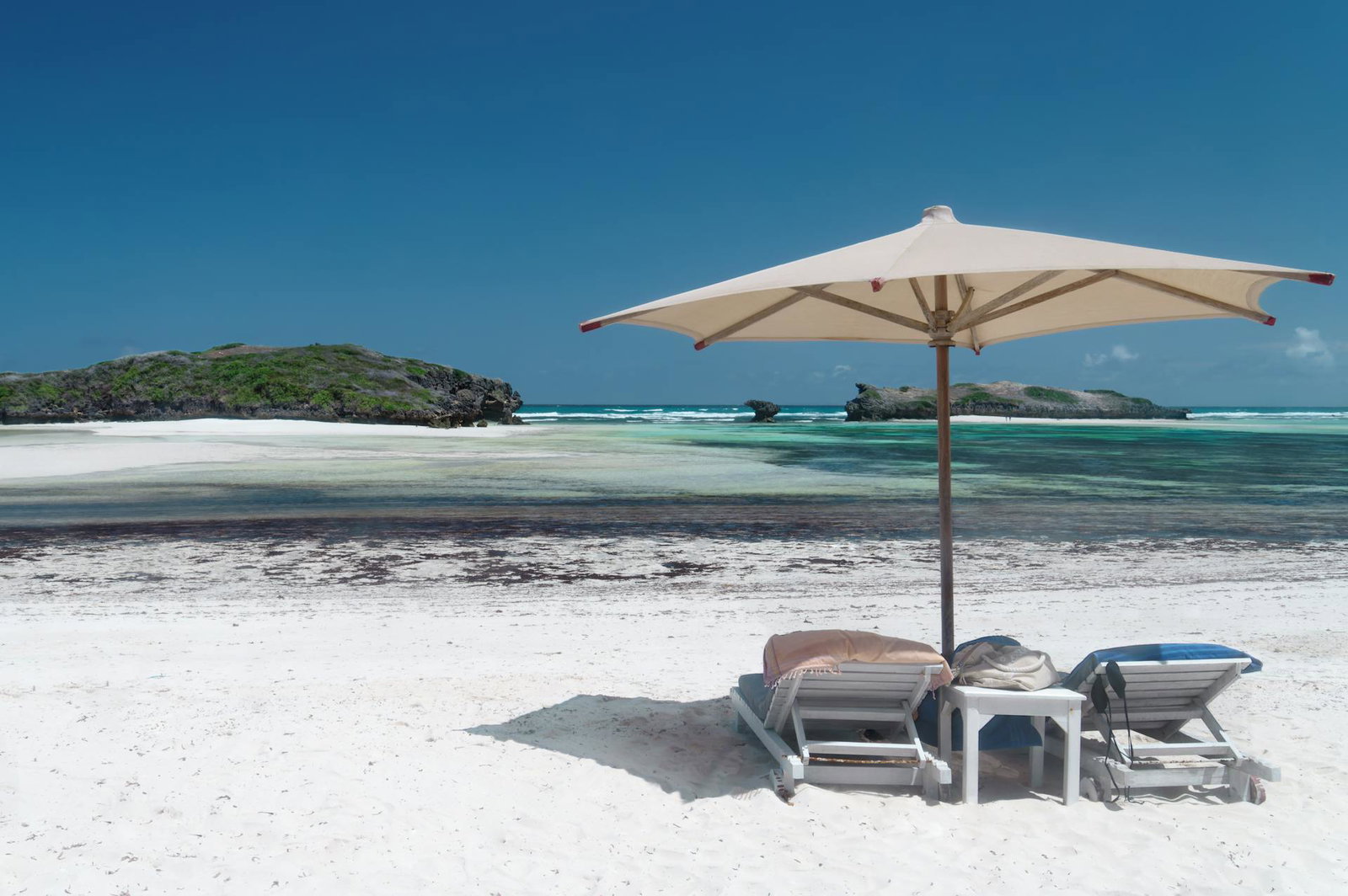
Turquoise waters and white sand beach at Watamu, Kenya Coast

Destination guide

Watamu

Kenya Coast · Kenya

Coral reefs, sea turtles, and empty white beaches — Kenya's coast at its most unspoiled.

Best season

July–October (dry season, clearest seas); also Jan–Feb for warm, calm weather

From Nairobi

~1 hr to Malindi Airport (MYD), then 30 min by road to Watamu

Why visit Watamu?

Watamu earns its place on the Kenya coast itinerary not through size or nightlife but through sheer ecological richness. The Watamu Marine National Park, gazetted in 1968 and one of Kenya's oldest, protects a biosphere reserve where hard and soft corals grow in shallow lagoons accessible to snorkellers of any ability. Beyond the reef, the warm Mozambique Channel holds blue marlin, sailfish, and yellowfin tuna — Watamu has been a serious deep-sea fishing destination since the 1950s and still hosts international tournaments.

Above water, the Arabuko-Sokoke Forest Reserve begins just inland — the largest remaining fragment of coastal East African forest, sheltering Clarke's weaver (found nowhere else on Earth), Sokoke scops owl, golden-rumped elephant shrew, and Aders' duiker. For birders, the combination of forest endemics, migratory waders on the creek flats, and open-ocean seabirds makes Watamu an exceptional year-round destination.

The village itself remains refreshingly low-key. A handful of family-run guesthouses and mid-range eco-lodges line the beach road, local restaurants serve fresh-caught fish, and the pace is slow enough that guests genuinely decompress. It is an ideal pairing with a Tsavo or Amboseli safari — fly into the coast and swap red dust for white sand.

  • Snorkel or dive one of Kenya's oldest and healthiest coral marine parks.
  • Watch nesting sea turtles on quiet white-sand beaches from March to July.
  • Chase blue marlin and sailfish in waters that have drawn big-game anglers since the 1950s.
  • Explore Arabuko-Sokoke — the largest coastal forest in East Africa — for rare endemic birds.
  • Kayak through mangrove-lined Mida Creek at low tide as waders pick across the mudflats.
  • Unwind at a genuinely small, unhurried village where the beach road is still a single lane.

Best for

Snorkelling, diving, deep-sea fishing, sea turtle conservation, birding, couples, eco-conscious travellers

Trip style

Beach & Marine, Eco & Nature, Adventure, Birding

Known for

Watamu Marine National Park coral reefs, nesting sea turtles, world-class big-game fishing, Arabuko-Sokoke Forest endemics

Quick facts

Best time to visit

July–October (dry season, clearest seas); also Jan–Feb for warm, calm weather

Currency

Kenyan Shilling (KES). USD widely accepted at hotels.

Languages

Swahili (official), English widely spoken in tourism

Visa summary

eVisa required for most nationalities — apply at evisa.go.ke before travel. East African tourists may use the EAC Tourist Visa.

Flight time from Nairobi

~1 hr to Malindi Airport (MYD), then 30 min by road to Watamu

Airport / arrival

Malindi Airport (MYD) is the closest, 15 km away. Mombasa's Moi International (MBA) is 2 hrs by road but has more flight options including international connections.

Safety note

Generally safe for tourists. Observe standard coastal precautions: don't walk alone on unlit beach paths at night, use reef shoes in the marine park, and apply reef-safe sunscreen.

Visa and entry

Look up entry rules by passport for travel to Kenya on the Tsavaro visa checker.

Check visa requirements for Kenya

Things to do

Snorkelling in Watamu Marine National Park

Half day

Wade or boat out to the marine park's shallow coral gardens, home to parrotfish, moray eels, lionfish, and green sea turtles. Glass-bottom boat trips run daily and suit non-swimmers. Serious snorkellers should arrange a guided boat trip to the outer reef heads for the best coral density.

Scuba Diving with local dive centres

Half day

Several PADI-certified dive centres operate from the beach, running two-tank dives to sites including 'The Canyon', 'Turtle Caves', and the deep-water pinnacles beyond the park boundary. Visibility averages 15–25 m in the dry season. Open-water courses are available.

Sea Turtle Monitoring with Local Ocean Trust

2–3 hours

Local Ocean Trust runs community-led turtle monitoring and tagging. Visitors can join dawn beach walks during the nesting season (March–July) and participate in hatchling releases. Proceeds fund local fishermen turned turtle guardians.

Deep-Sea Fishing

Full day

Watamu sits on the edge of a deep ocean channel that funnels large pelagics close to shore. Book a full-day charter targeting blue marlin, black marlin, sailfish, wahoo, and dorado. Most operators practice tag-and-release. The season peaks October–March when the SE trade winds ease.

Birding in Arabuko-Sokoke Forest

Half day to full day

Hire a Kenya Wildlife Service guide at the Gede entrance and walk the forest trails at dawn for the best chance of spotting Clarke's weaver, Amani sunbird, Sokoke scops owl (spotlight walks), and the critically endangered Sokoke pipit. The golden-rumped elephant shrew is a bonus mammal find.

Kayaking Mida Creek

2–4 hours

Paddle a sea kayak into the mangrove channels of Mida Creek at high tide or explore the vast exposed mudflats at low tide when hundreds of crab plovers, greater sand plovers, and whimbrel probe the shore. Several operators offer guided sunset paddles.

Gede Ruins

2–3 hours

A 15-minute drive inland, the Gede Ruins are the preserved remains of a 13th–17th century Swahili-Arab town swallowed by forest. Walk the atmospheric coral-stone palace, mosques, and merchants' houses. The surrounding forest is also excellent for monkeys and forest birds.

Whale Shark Snorkelling (seasonal)

Half day

Whale sharks pass through the offshore waters around Watamu between November and March, feeding on seasonal plankton blooms. Local dive operators track sightings and run dedicated encounter trips — a genuine bucket-list swim in open water.

Best time to visit Watamu

The best time to visit Watamu is July to October, when the long dry season delivers clear skies, calm seas ideal for snorkelling and diving, and reliable wildlife sightings. Visibility in the marine park regularly exceeds 20 m in August and September.

January and February are equally rewarding — hot, sunny, and calm, with the bonus of peak big-game fishing season (marlin and sailfish are most abundant October–March). These months are also good for whale shark encounters offshore.

March to June brings the long rains (kaskazi season). Watamu receives heavy showers, particularly April and May, which can affect sea conditions and visibility. However, this is sea turtle nesting season (March–July), making it worthwhile for conservation enthusiasts despite the wetter weather. Rates drop significantly and the beach is quieter.

July to August is peak season and the busiest period, especially with Kenyan and European school-holiday visitors. Book accommodation early. The short rains (vuli) fall October–November but are lighter and shorter than the long rains, rarely disrupting a full week's itinerary.
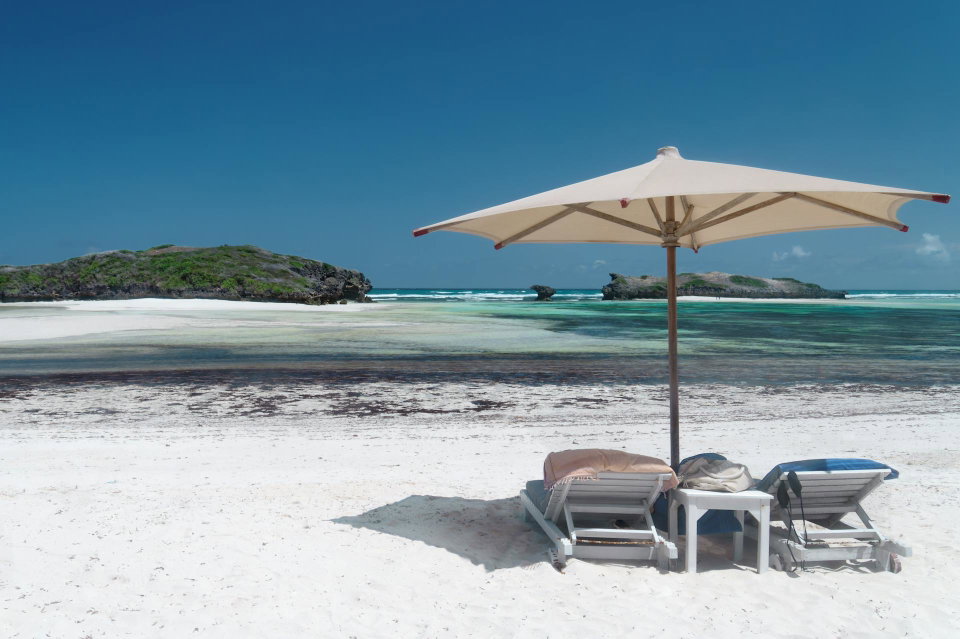
Is Watamu safe to visit?

Yes — Watamu is generally safe for tourists and has a long track record as a family-friendly beach destination. The village is small enough that most visitors feel comfortable walking between their lodge and the beach during the day.

Practical tips to stay safe:

- Avoid walking alone on unlit beach paths after dark. Use a torch or stick to the lit road between lodge and restaurant. - Petty theft (bag-snatching on the beach, opportunistic theft from unlocked rooms) is the most common issue — leave valuables in your room safe. - Use reef shoes when walking on the reef flat to avoid sea urchin spines and coral cuts. - Apply reef-safe (mineral/zinc) sunscreen before entering the marine park — chemical sunscreens are banned to protect coral. - Water and food hygiene: drink bottled or purified water; stick to well-reviewed restaurants to avoid stomach issues. - Ocean currents: the sea is generally calm inside the lagoon but stronger beyond the reef — heed local advice before swimming outside the marked areas. - Health: malaria prophylaxis is recommended for the Kenya coast. Bring DEET-based repellent, particularly for evenings near the creek and mangroves. - UK Foreign Office and US State Department advise normal caution on the Kenya coast. The Watamu area has not experienced the security incidents that have affected the far north (Lamu archipelago border areas).

Suggested itinerary

5 Days in Watamu: Reefs, Forest & Creek

This plan uses Watamu village as the single base, suits a relaxed-to-moderate pace, and works for couples or small groups. Budget band: mid-range (USD 150–300/night accommodation). Fly Nairobi–Malindi (1 hr) to save the 6-hour road journey.

Day 1

Arrive & Orientate on the Beach

Fly into Malindi (MYD) and transfer to your Watamu lodge (30 min). Spend the afternoon getting your bearings — walk the main beach, arrange a snorkel kit hire, and book your marine park boat for tomorrow. Eat fresh grilled fish at a local beachfront restaurant as the dhows drift by at sunset.

Watamu — Arrive & Orientate on the Beach

You may also like

Flights from Watamu

Direct and connecting routes from Watamu. Tap a city to see live fares and book with Tsavaro.

Travel essentials

Getting around

Most of Watamu village is walkable. Tuk-tuks (auto-rickshaws) run between the beach, village centre, and Malindi Road for KES 100–300. For Arabuko-Sokoke and Gede Ruins, hire a tuk-tuk or arrange a day transfer through your lodge. Boda-bodas (motorcycle taxis) are available but use only registered operators. Car hire is available in Malindi if you want to self-drive up or down the coast.

Typical costs

Budget guesthouses: USD 30–60/night. Mid-range lodges: USD 100–200/night. Top eco-lodges: USD 250–400+/night. Meals at local restaurants: USD 5–15. Marine park entry: USD 20 per person per day. Snorkel boat trip: USD 25–40. Scuba dive (2 tanks): USD 70–100. Deep-sea fishing full-day charter: USD 300–600 shared. Arabuko-Sokoke guide: USD 15–20.

Culture and etiquette

Watamu is a Muslim-majority coastal community. Dress modestly when away from the beach — cover shoulders and knees in the village, market, and at the Gede Ruins. Remove shoes before entering any mosque or private home. Swahili greetings go a long way: 'Habari?' (How are you?) is always appreciated. Friday is the main prayer day — some local businesses close at midday.

Safety and planning

Carry a photocopy of your passport rather than the original. Register your trip with your country's embassy website. Confirm your travel insurance covers water sports and marine activities. Bring any prescription medications from home — Malindi has pharmacies but specialist drugs may be unavailable. Nearest hospital with emergency facilities is Malindi District Hospital (15 km).

Connectivity

4G mobile data is available in the village via Safaricom (best coverage) and Airtel. Most lodges and restaurants offer Wi-Fi. Buy a Safaricom SIM at Malindi Airport or town for affordable local data bundles. Coverage drops to 3G or less in the deeper parts of Arabuko-Sokoke Forest.

Payments

Cash (KES) is king in the village for tuk-tuks, local restaurants, and market stalls. USD is accepted at most hotels and tour operators. Mpesa mobile money is very widely used — your lodge can often accept Mpesa. The nearest ATMs are in Malindi town (Barclays, KCB, Equity Bank). Bring sufficient KES from Malindi before arriving.

Watamu travel FAQs

More destinations to explore