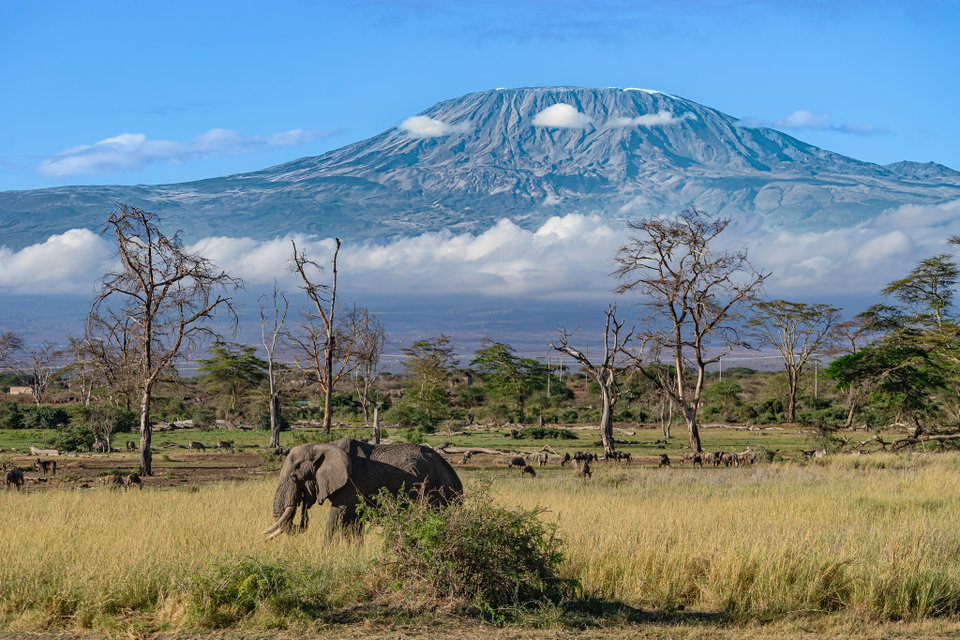
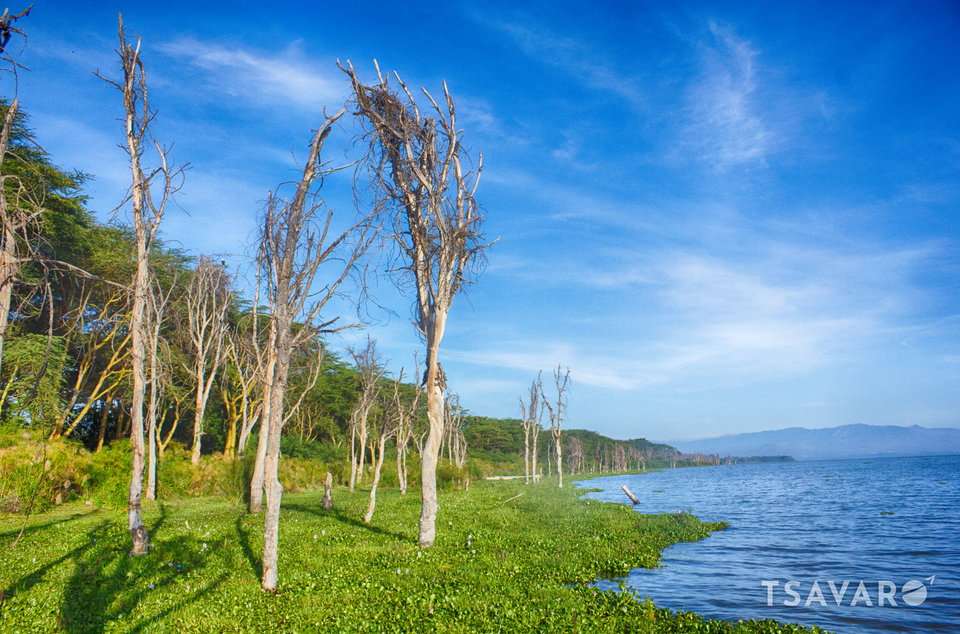
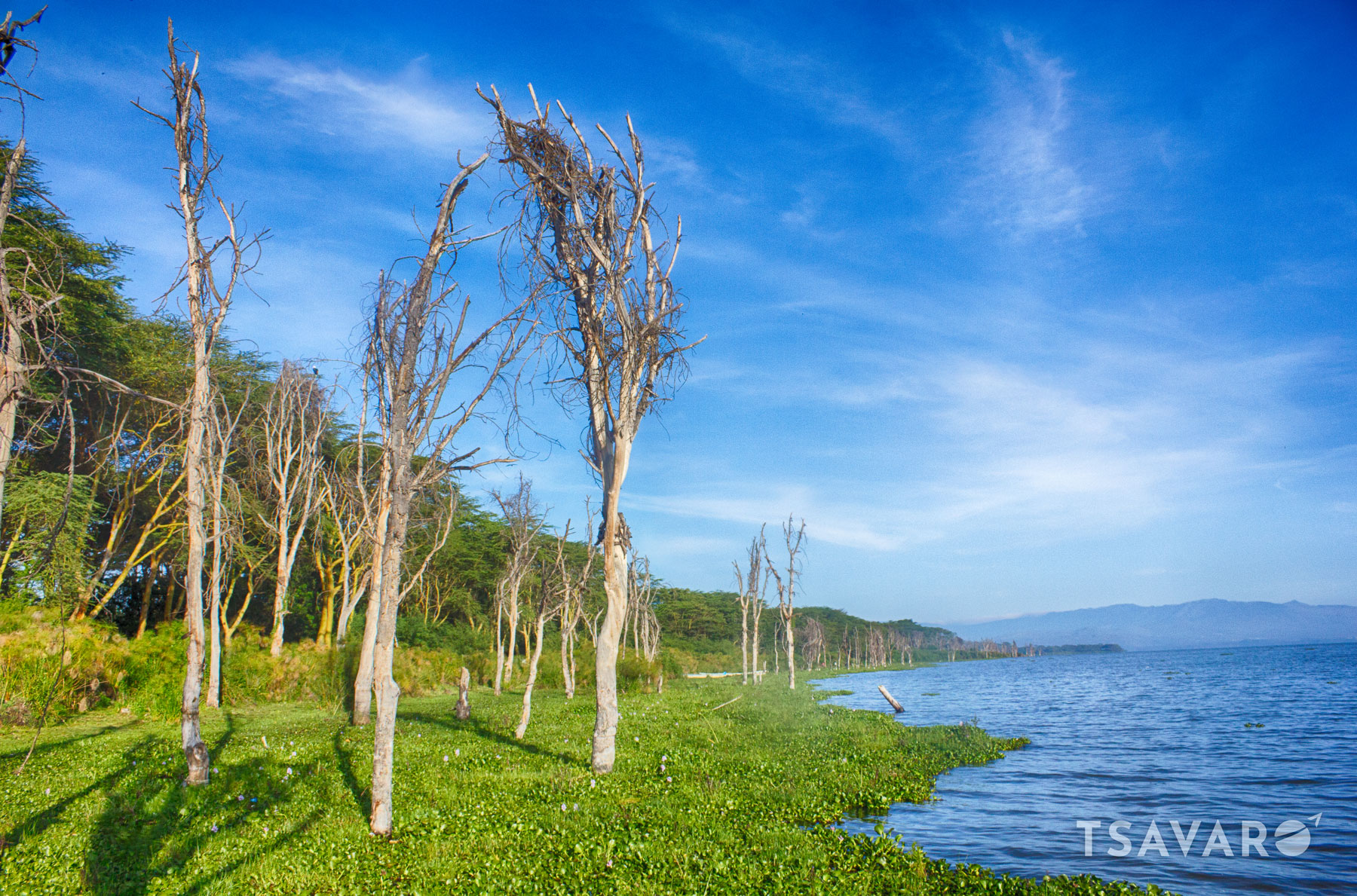
Flamingos wading at the edge of Lake Naivasha with the Aberdare hills in the background

Destination guide

Naivasha

Great Rift Valley · Kenya

Rift Valley lakes, flower farms, and wildlife just two hours from Nairobi

Best season

June–September (cool dry season) and January–February (short dry spell)

From Nairobi

No commercial flights needed — Naivasha is roughly 90 km (2–2.5 hrs) from Nairobi by road via the Nairobi–Nakuru highway.

Why visit Naivasha?

Naivasha punches well above its size for a weekend destination. You can boat across the lake at dawn while hundreds of hippos submerge around you, walk freely among giraffe on Crescent Island, and still be back in a Nairobi office on Monday morning. Hell's Gate National Park — one of Kenya's only parks where cycling and hiking are permitted without a guide — sits on the southern edge of town, with towering gorges, geothermal steam vents, and the Fischer's Tower rock column rising from the valley floor.

The lake itself is a Ramsar-listed wetland attracting over 350 recorded bird species, including African fish eagle, malachite kingfisher, and African jacana. Flower-farm tours offer a surprisingly compelling behind-the-scenes look at the industry that supplies much of Europe's cut flowers. For families and first-time safari visitors, the combination of accessible wildlife, mid-range accommodation options, and spectacular scenery makes Naivasha a reliable, rewarding choice.

  • Walk freely among giraffe, zebra, and wildebeest on Crescent Island — no vehicle required
  • Cycle through Hell's Gate gorge past geothermal vents and towering basalt cliffs
  • Dawn boat ride on Lake Naivasha surrounded by surfacing hippos and calling fish eagles
  • One of Kenya's top birding sites — over 350 species recorded around the lake
  • Only 90 km from Nairobi, making it Kenya's most popular weekend escape
  • Tour a Rift Valley flower farm that supplies roses to Europe — a surprisingly fascinating visit

Best for

Weekend getaways from Nairobi, birders, cycling enthusiasts, families, and couples seeking a romantic lake escape

Trip style

Nature, adventure, wildlife, short break

Known for

Lake Naivasha, Hell's Gate National Park, Crescent Island, hippos, African fish eagle, flower farms

Quick facts

Best time to visit

June–September (cool dry season) and January–February (short dry spell)

Currency

Kenyan Shilling (KES). USD widely accepted at lodges.

Languages

Swahili and English

Visa summary

East Africa Tourist Visa (USD 100, covers Kenya, Uganda, Rwanda) or Kenya single-entry eVisa (USD 50) — apply online before travel.

Flight time from Nairobi

No commercial flights needed — Naivasha is roughly 90 km (2–2.5 hrs) from Nairobi by road via the Nairobi–Nakuru highway.

Airport / arrival

Most visitors self-drive or use a private transfer from Nairobi. The SGR train to Naivasha station (Maai Mahiu siding) is a scenic option; matatus run from Nairobi's Westlands or Railway Bus Station.

Safety note

Generally safe. Stick to established paths around the lake shore, do not approach hippos on foot, and secure valuables in your accommodation.

Visa and entry

Look up entry rules by passport for travel to Kenya on the Tsavaro visa checker.

Check visa requirements for Kenya

Things to do

Boat safari on Lake Naivasha

1–2 hours

Hop a flat-bottomed motorboat from Fisherman's Camp or Elsamere and glide among pods of hippos, colonies of great white pelicans, and African fish eagles swooping for fish. Early morning is best for light and wildlife activity.

Walk on Crescent Island

2–3 hours

This privately owned island reserve is one of East Africa's only places where you can walk unescorted among giraffe, wildebeest, zebra, waterbuck, and Thomson's gazelle. The crescent-shaped shoreline offers panoramic lake views and superb birdwatching.

Cycling and hiking in Hell's Gate National Park

Half day to full day

Rent a bicycle at the park gate and pedal through the spectacular gorge carved by ancient geothermal activity. Fischer's Tower and the Central Tower are iconic landmarks; the Ol Njorowa Gorge hike leads to natural hot springs and steam vents deep in the rift.

Bird watching around the lake

Half day

Over 350 species have been recorded at Lake Naivasha. Key spots include the Yellow Fever Tree forest at Elsamere, the papyrus beds near Hippo Point, and the open water for pelicans, storks, herons, and raptors. African fish eagle calls are near-constant.

Flower farm tour

2–3 hours

Naivasha's shores are lined with massive commercial flower farms growing roses, carnations, and gypsophila for European markets. Several farms offer guided tours revealing the scale of the operation, the cold-chain logistics, and the surprisingly vibrant colour-sorted packing halls.

Sundowners at Hippo Point

1–2 hours

The grassy promontory at the lake's western edge is the classic Naivasha sundowner spot. Bring a picnic or order drinks at the adjacent camp and watch the Rift Valley sky turn orange above the Mau Escarpment while hippos emerge for their evening graze.

Elsamere Conservation Centre

2 hours

The former lakeside home of Joy Adamson — author of Born Free — is now a conservation centre and guesthouse. Afternoon tea on the veranda is a Naivasha institution, often watched over by resident colobus monkeys in the trees above.

Best time to visit Naivasha

The best time to visit Naivasha is June to September, when the long dry season brings cool, clear days, minimal rain, and excellent wildlife and birding conditions. Lake levels stabilise, hippo pods congregate in predictable spots, and the Rift Valley skies are brilliant for photography.

January and February are also excellent — the short dry spell delivers warm, sunny days and fewer visitors than the June–September peak.

March–May (the long rains) sees heavy afternoon downpours that can make unpaved tracks muddy, but the landscape turns vivid green and migratory birds are present in large numbers. Accommodation rates are lowest and the lake is quieter. October–November brings the short rains — still manageable, and birding remains good as resident species are joined by Palearctic migrants.

Naivasha is a year-round destination thanks to its proximity to Nairobi — even rainy-season weekends attract visitors. If you are aiming specifically for Hell's Gate cycling, avoid peak rains (April–May) when the gorge paths can be slippery.
Is Naivasha safe to visit?

Yes — Naivasha is generally safe for tourists, and it is one of Kenya's most frequently visited domestic and international short-break destinations. The main risks are environmental rather than criminal.

Hippos are the single biggest danger around the lake. Never approach a hippo on foot or stand between one and the water — they are aggressive when threatened. Only walk the shoreline in daylight with your lodge guide or in areas cleared for guests.

Petty theft can occur in busy public areas such as the Naivasha town market and boat-hire jetties. Keep cameras and phones out of sight, and use a money belt in crowded spots. Vehicles should be locked, with valuables stored out of sight.

The road from Nairobi via Naivasha town can be busy and fast-moving, especially on the escarpment descent. Drive carefully — speed and overtaking accidents are the most common safety incident affecting visitors. If using public transport, stick to reputable shuttle or matatu services.

Elsa Gate and the main Hell's Gate circuit are well-managed; solo hikers should inform the gate rangers of their route. Register at Crescent Island reception before your walk.

Suggested itinerary

3 Days in Naivasha: Lakes, Gorges & Wildlife on Foot

This plan assumes you are driving from Nairobi or arriving by SGR. It covers mid-range to premium lake lodges as a base, mixes wildlife activities with adventure, and is designed so every day ends before dark — no night transfers needed.

Day 1

Arrive, settle in, and hit the lake

Leave Nairobi by 7 am to beat traffic and arrive at your lodge in time for brunch. After check-in, take a 90-minute boat safari — morning light is still good through midday on the lake. Spend the afternoon exploring the shoreline on foot or by hotel bicycle. Sundowners at Hippo Point, then dinner at your lodge as hippos begin their nightly graze on the lawn.

Naivasha — Arrive, settle in, and hit the lake

You may also like

Travel essentials

Getting around

Most visitors self-drive from Nairobi (90 km via the A104 highway; allow 2–2.5 hrs). Taxis and boda-bodas serve the main lodge strip on the south lake shore. Hell's Gate and Crescent Island both require a short drive from central Naivasha — hiring a vehicle for the day or joining a lodge transfer is easiest. The SGR train to Naivasha (Maai Mahiu station) is a scenic alternative; from the station, boda-boda or taxi to lodges takes 30–45 minutes.

Typical costs

Budget: KES 3,000–6,000/night in basic guesthouses. Mid-range: KES 15,000–30,000/night at established lake lodges. Premium: USD 200–500+/night at luxury lake camps. Hell's Gate park fees: USD 26 adults (non-resident). Crescent Island: approx USD 30 entry + boat transfer. Boat safaris: KES 2,000–4,000 per person. Bicycle hire at Hell's Gate: approx KES 600/hr.

Culture and etiquette

Naivasha has a large local agricultural and tourist workforce — greet warmly and tip service staff generously (10–15% at restaurants, USD 5–10/day for guides). Dress modestly when visiting Naivasha town. Ask permission before photographing local people, particularly at the market.

Safety and planning

Register your boat trips with the lodge concierge. Do not wade into the lake — bilharzia (schistosomiasis) is present. Apply high-SPF sunscreen — Naivasha sits at altitude (1,884 m) and UV levels are high year-round. Carry a light fleece; mornings and evenings can be cool, especially June–August.

Connectivity

Safaricom 4G covers most of the south and west lake shores and Naivasha town. Most lodges offer Wi-Fi in common areas; speeds vary. Airtel also provides decent coverage. Remote camps on the north shore may have weak signals.

Payments

Major lodges accept Visa and Mastercard. Cash (KES) is essential for park gate fees, local restaurants, boat operators, and boda-bodas. M-Pesa is widely accepted by local vendors. ATMs are available in Naivasha town (Equity, KCB, Co-op).

Naivasha travel FAQs

More destinations to explore