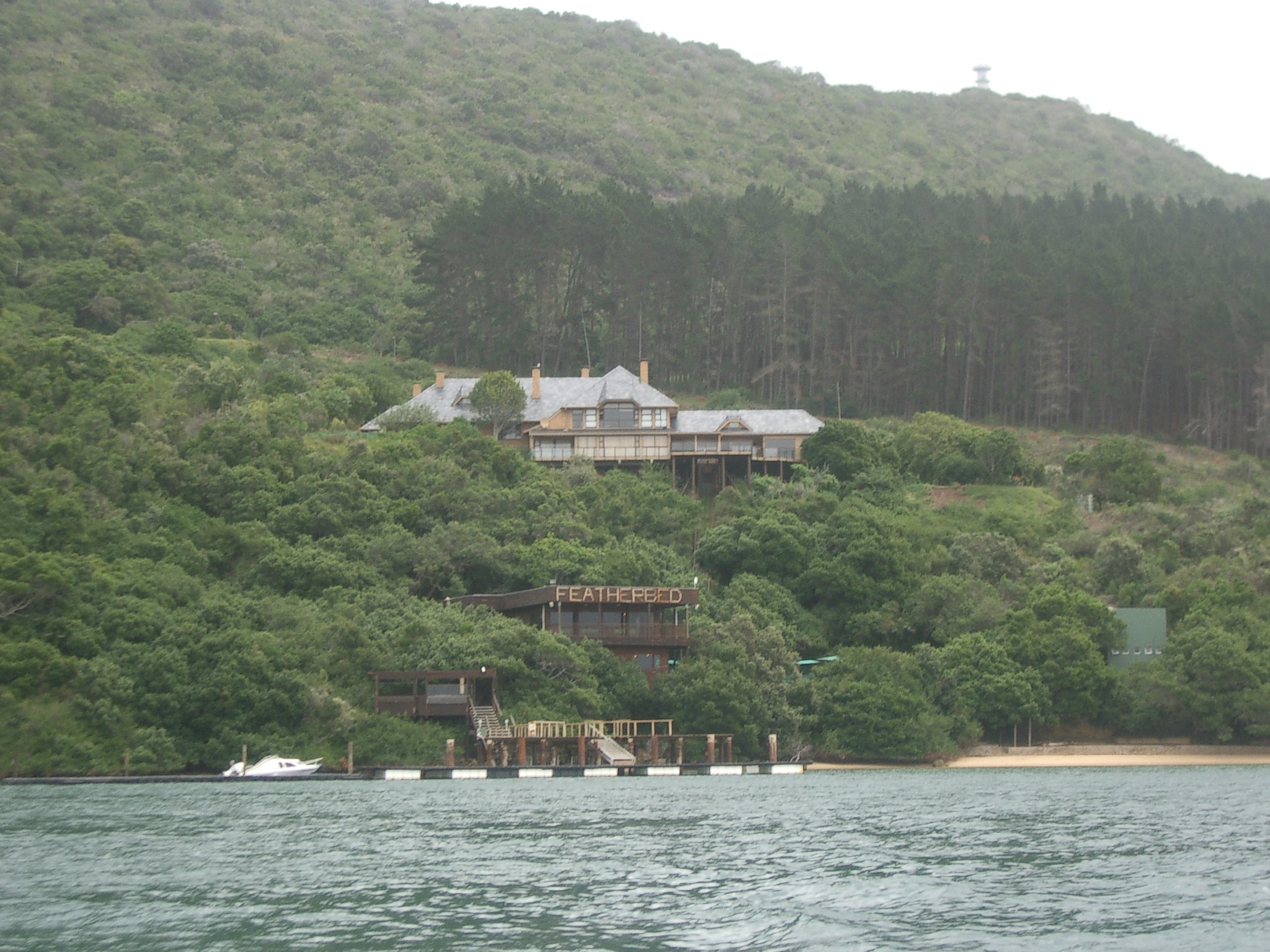
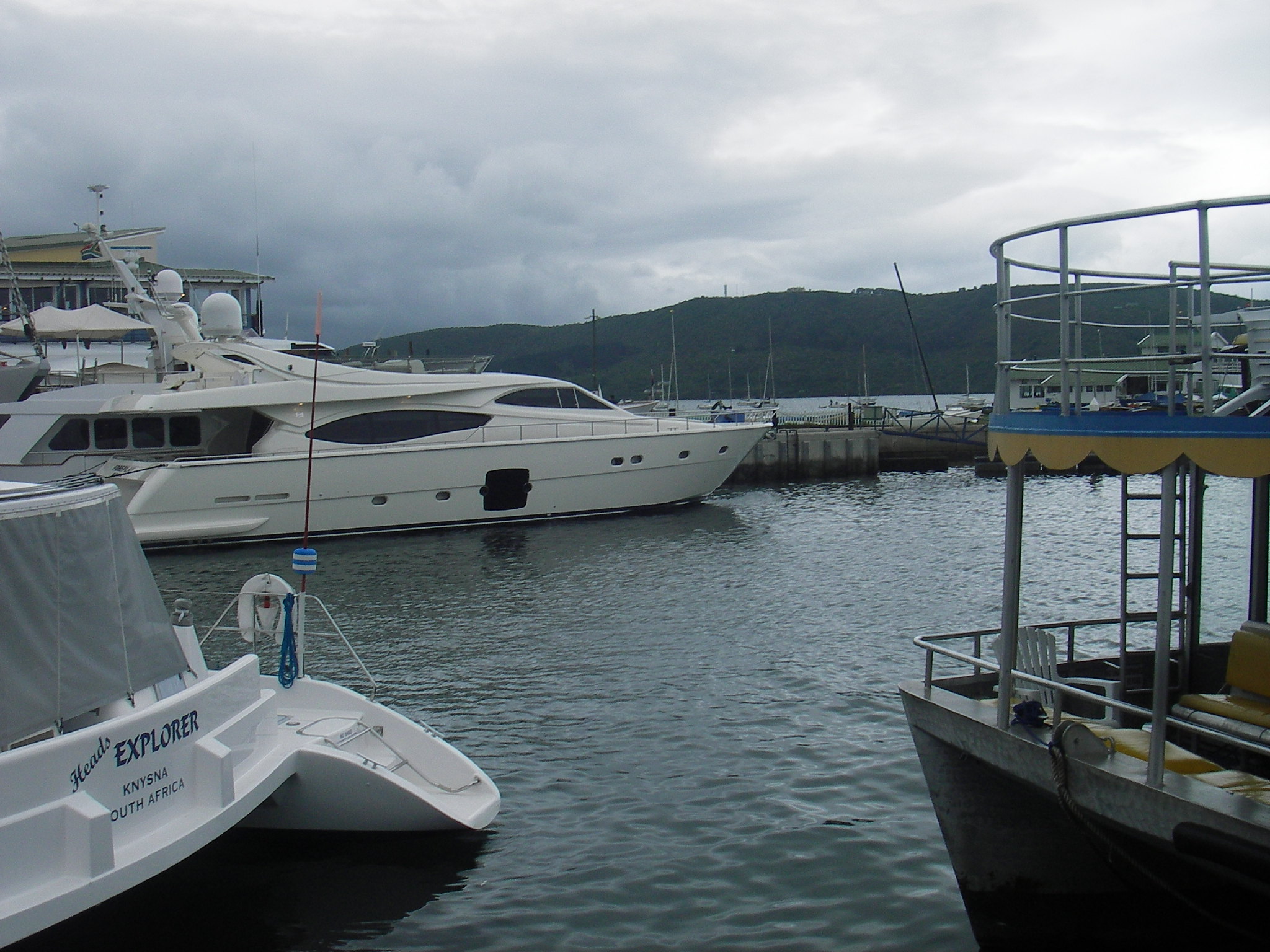
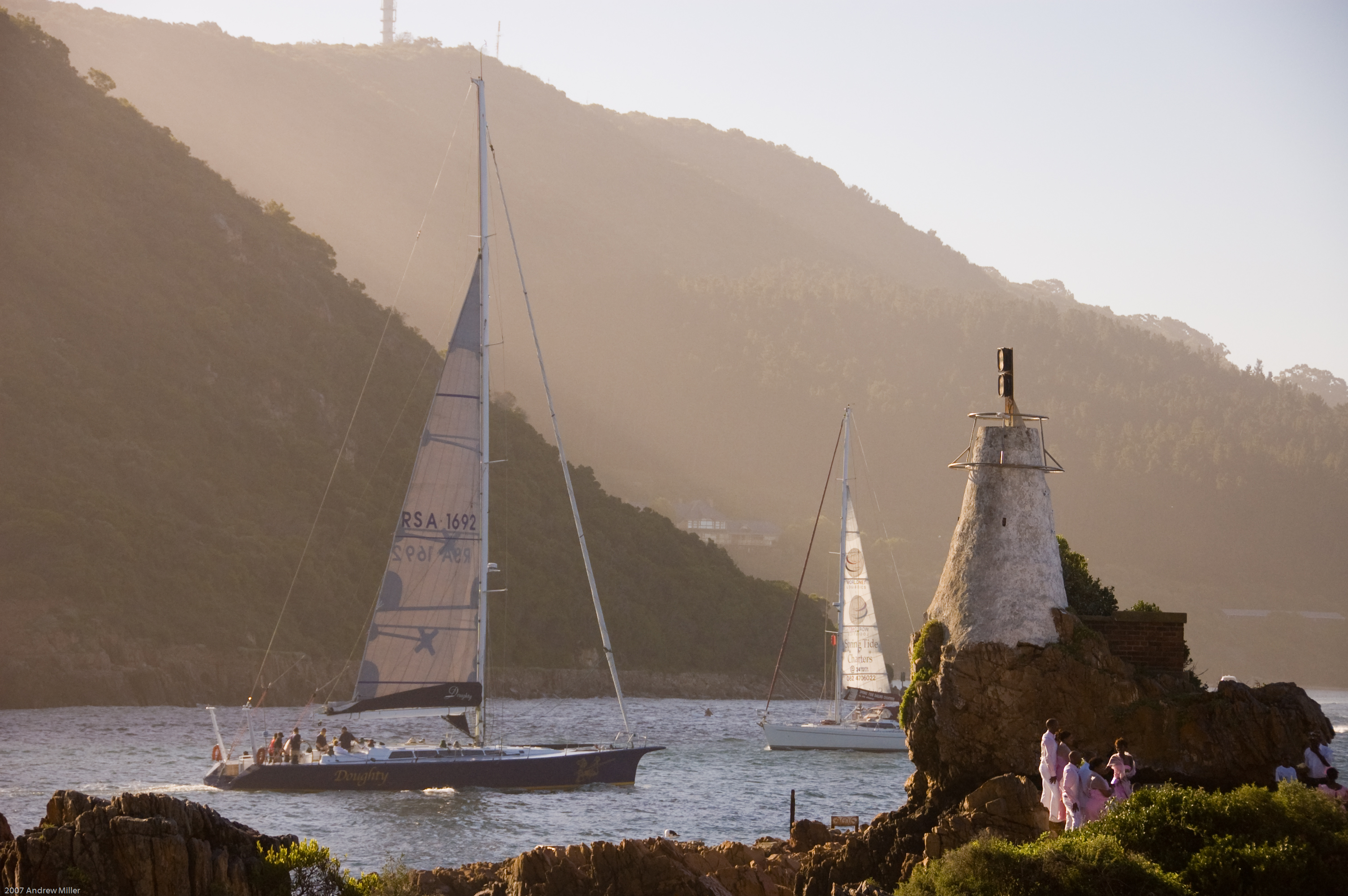
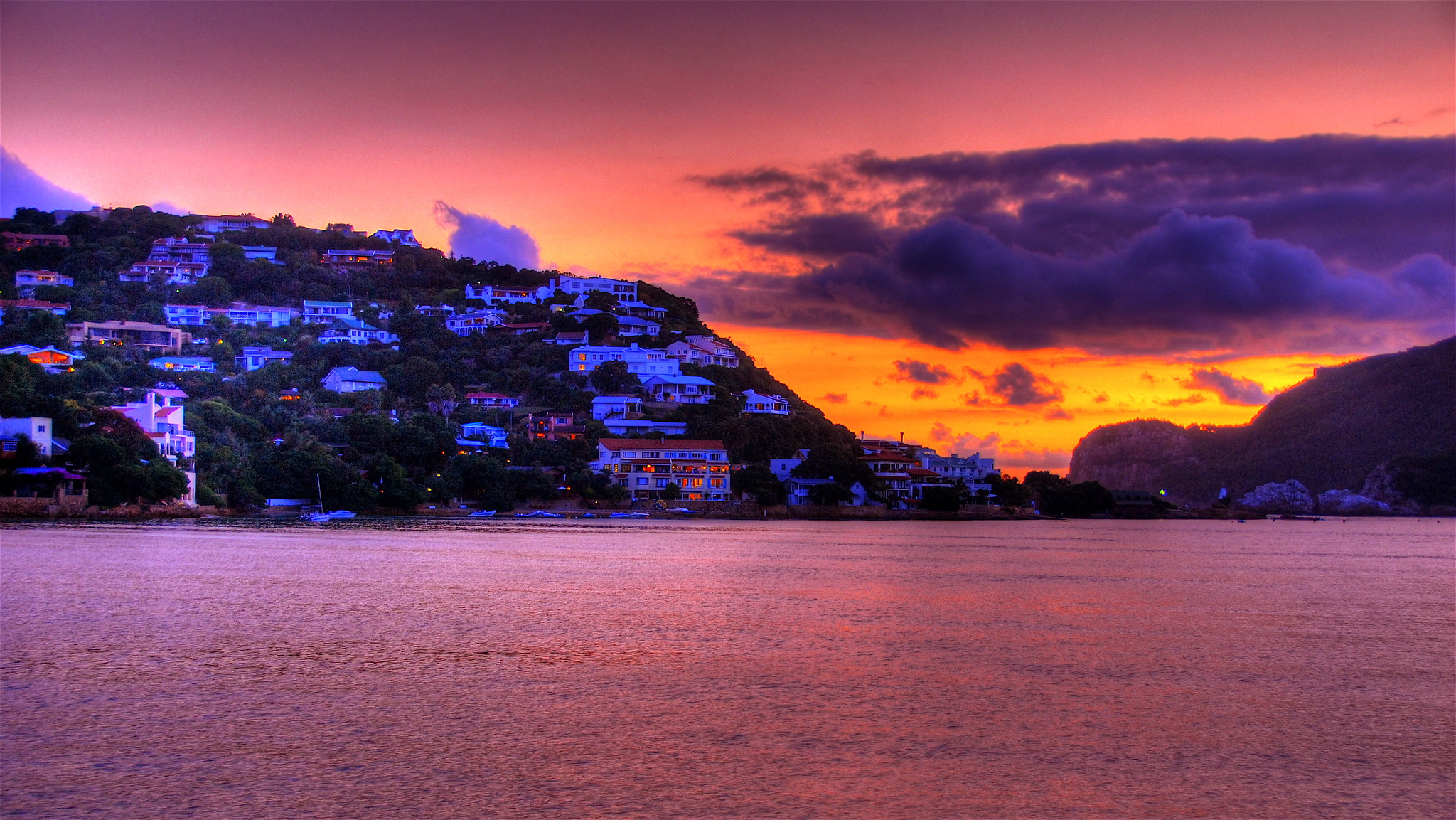
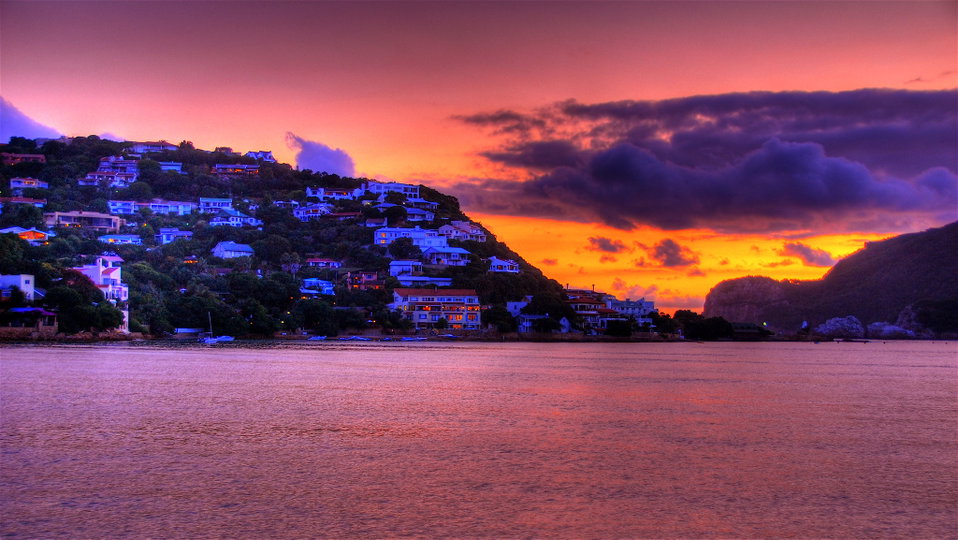
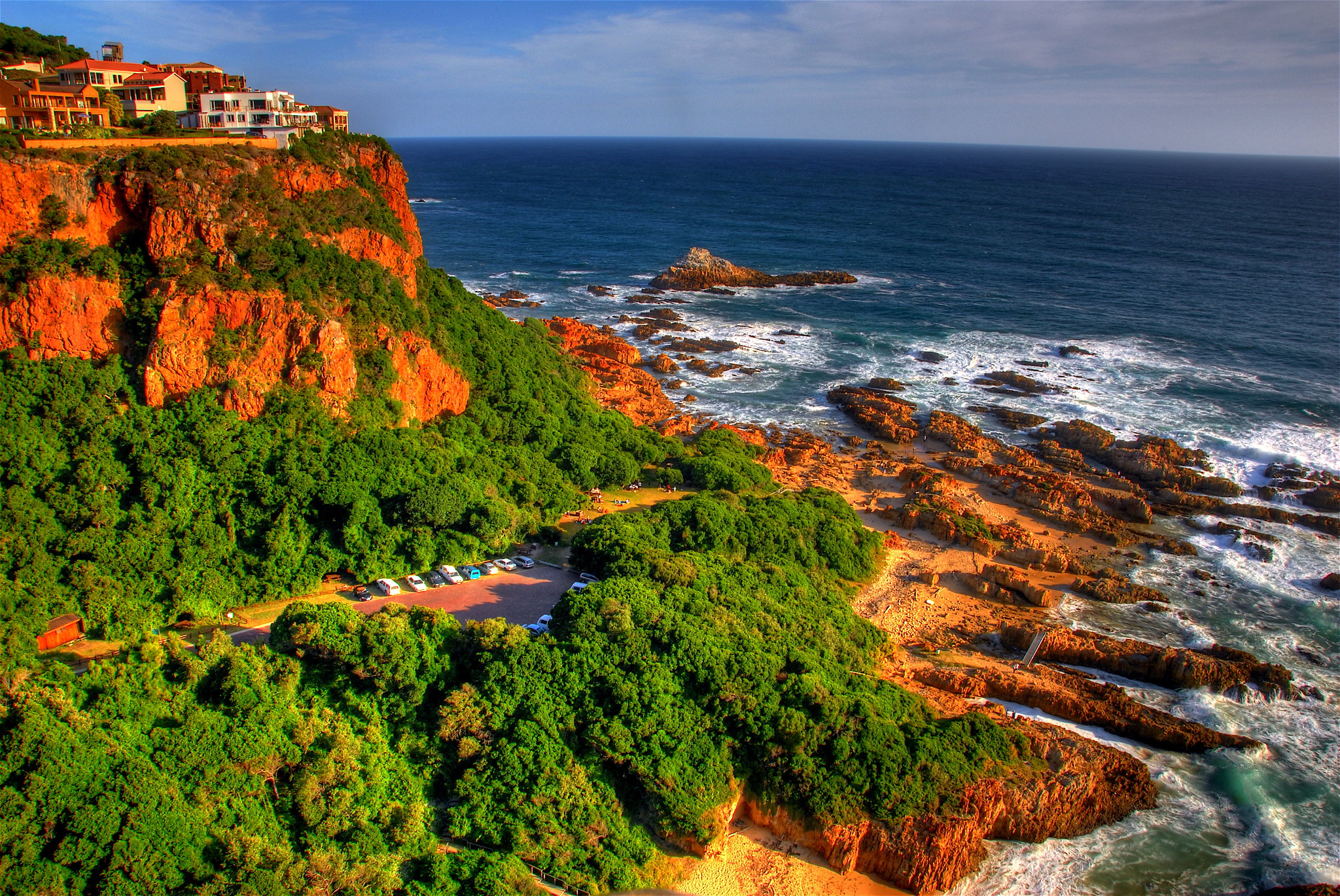
Few towns in Africa manage to pack as much natural drama into a single postcard as Knysna does. The headline act is the lagoon — 17 square kilometres of sheltered tidal water ringed by mangroves, houseboats, and waterfront restaurants, all guarded at its mouth by The Heads, a pair of 180-metre sandstone cliffs that rank among South Africa's most photographed landmarks. Watching a yacht thread the narrow channel between them on a clear afternoon is genuinely thrilling.
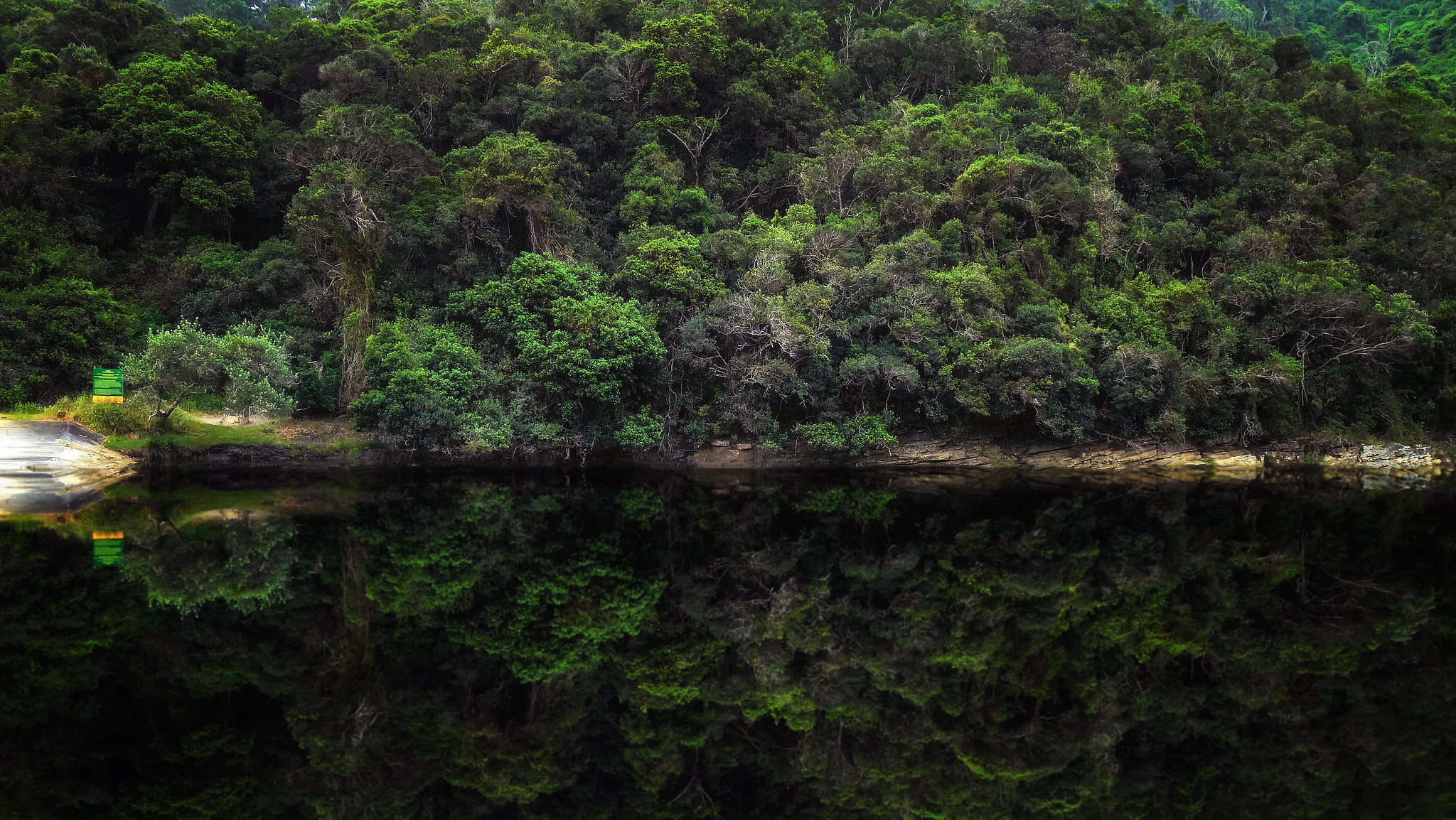
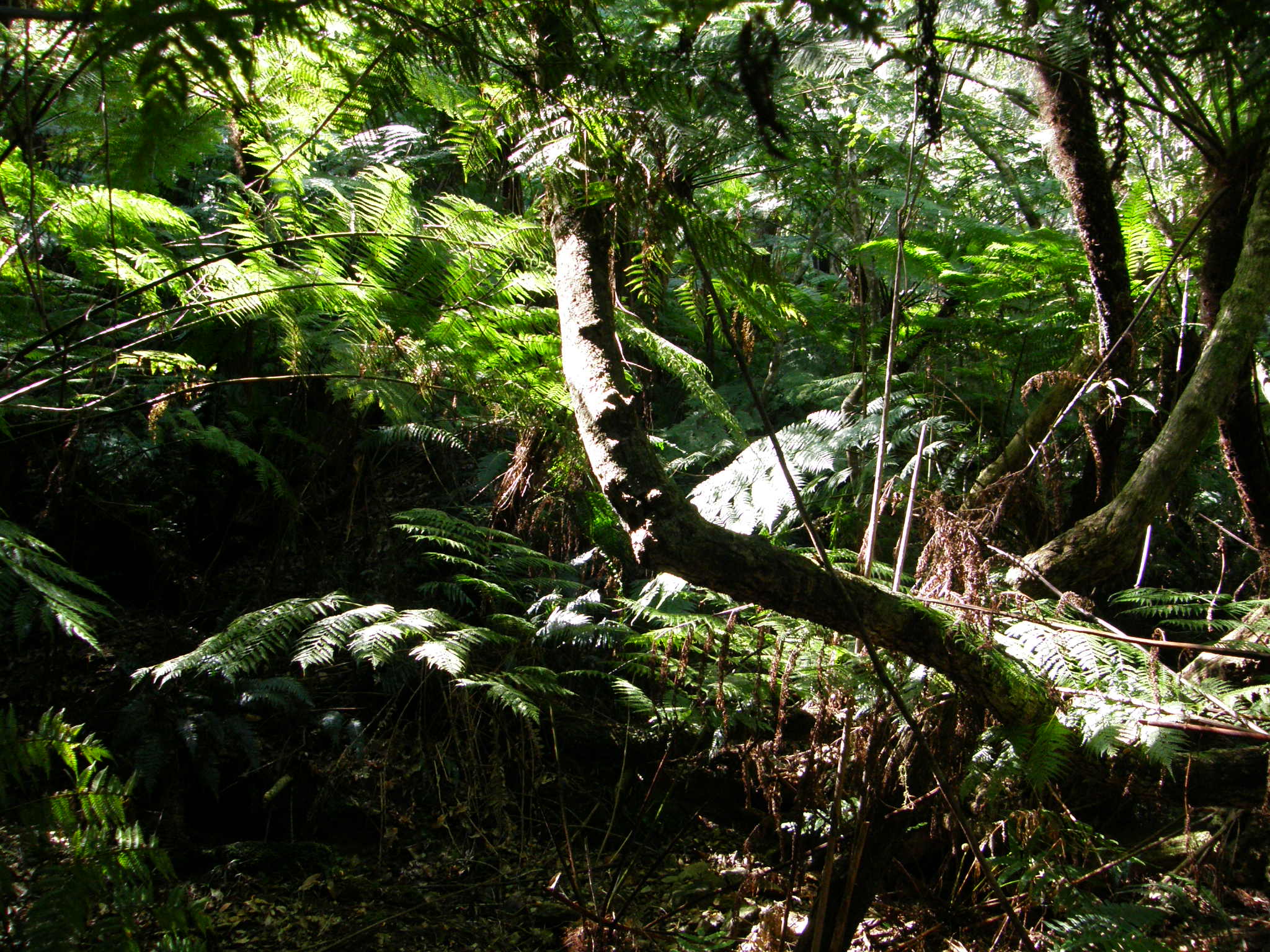
Beyond the water lies the Knysna Forest, a primeval stretch of Afromontane woodland that predates human settlement and still shelters a small, elusive herd of Knysna elephants — the southernmost wild elephant population on earth. Birdwatchers come for the Knysna Loerie (Turaco), a jewel-green canopy dweller whose crimson wing-flash lights up the tree tops. Hikers find world-class trails ranging from half-day strolls through towering Outeniqua yellowwoods to the multi-day Outeniqua Trail.
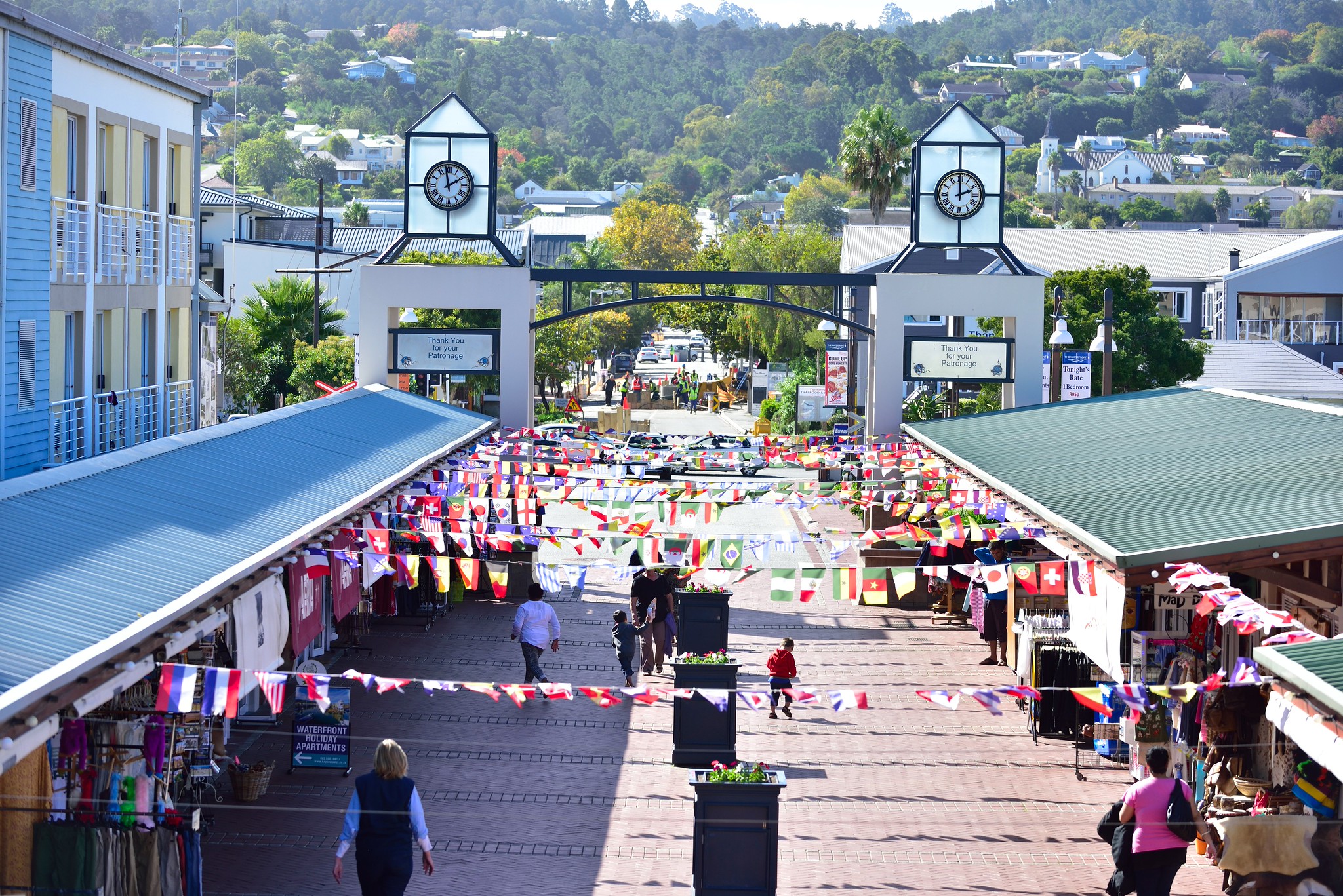
The town itself punches above its weight culturally. Thesen Islands — a network of canals on a former timber island in the lagoon — is home to independent boutiques, galleries, and some of the best casual dining on the Garden Route. The Knysna Oyster Festival, held every July, draws tens of thousands of food and sport lovers from across the country for two weeks of feasting, cycling, and trail running.
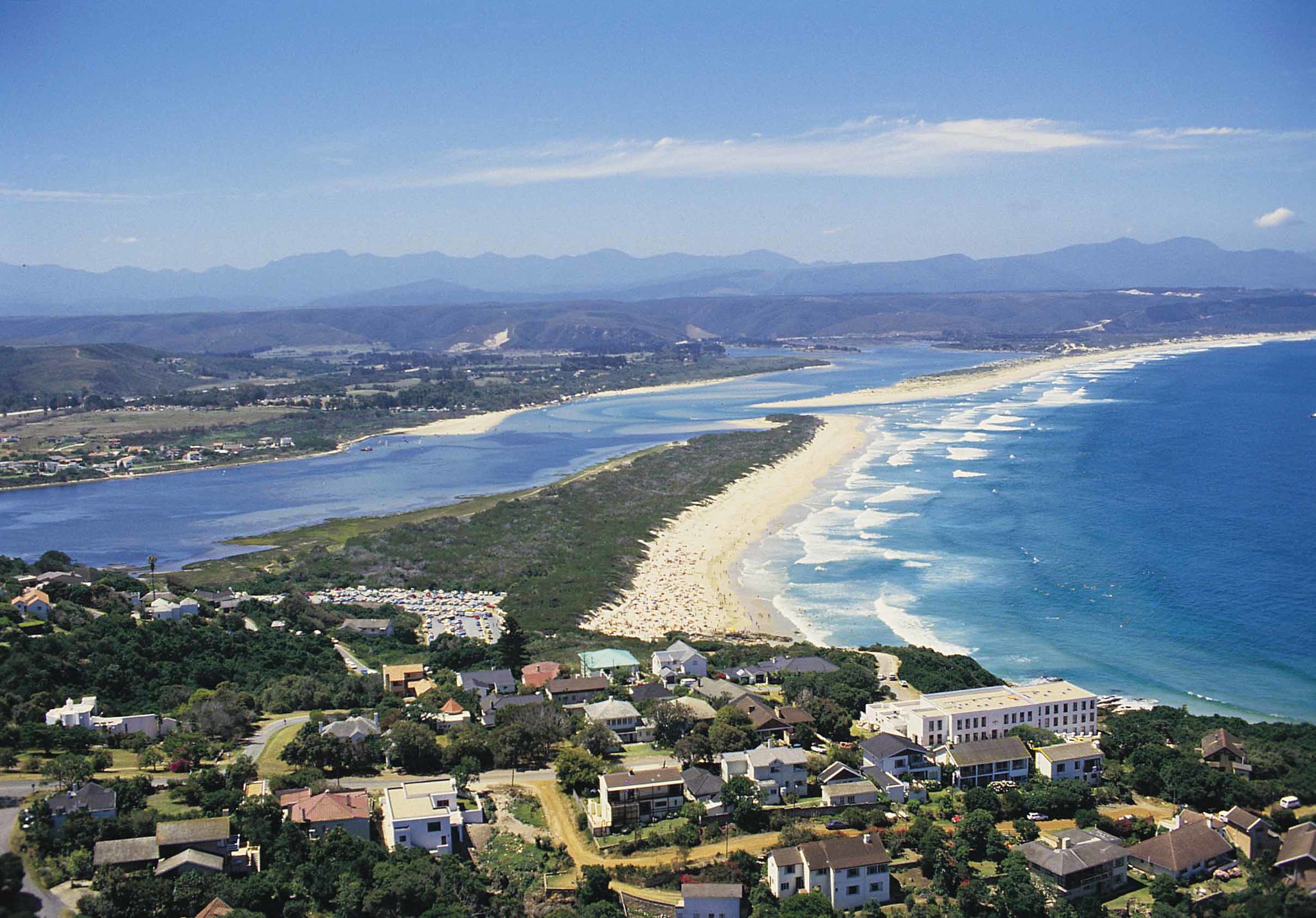
For travellers continuing along the Garden Route, Knysna is the natural base camp: Plettenberg Bay is 30 minutes east, the Tsitsikamma National Park is an hour away, and the karoo hinterland beckons over the Outeniqua Pass.
 Sightseeing / Nature